Washer Dryer Combo vs Separate: Which Is Best
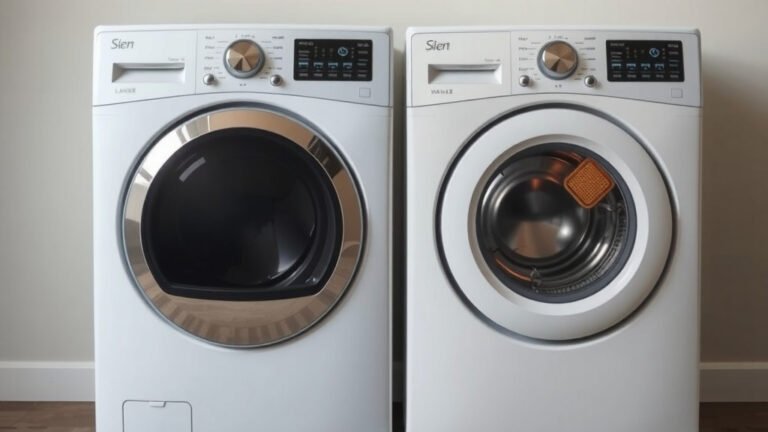
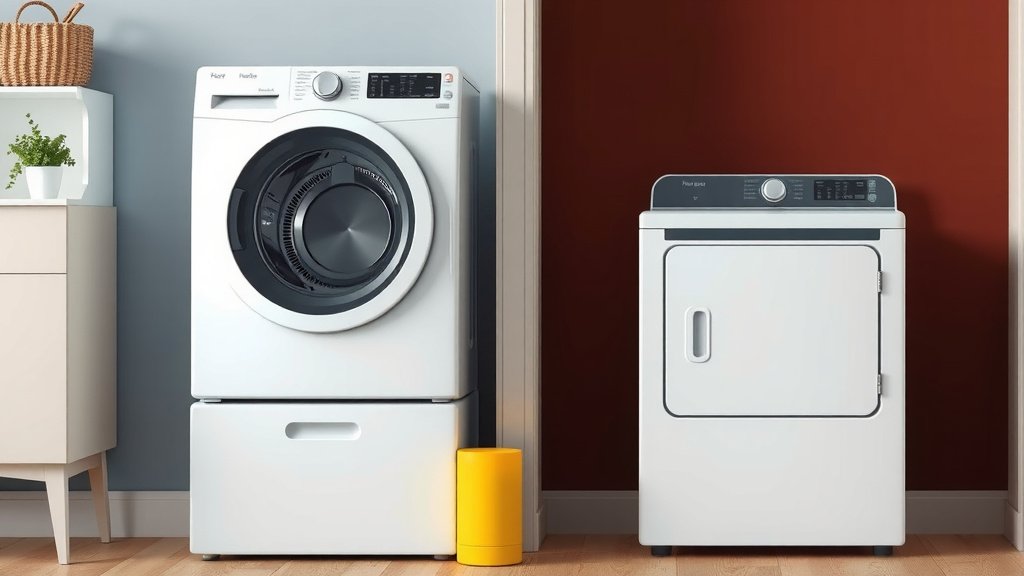
When comparing a washer dryer combo to a separate washer and dryer, the main difference is space and convenience versus capacity and speed. A combo unit saves a tremendous amount of floor space, perfect for apartments or small homes. Separate units generally offer larger capacities and faster drying times, making them ideal for larger households or those who do a lot of laundry.
Choosing between them really depends on your living situation and laundry habits. If you’re short on space, a combo unit is likely your best bet for a complete laundry solution in one appliance. If you have the room and need to get loads done quickly, separate machines are usually the way to go.
- Washer dryer combos save space.
- They offer all-in-one washing and drying.
- Separate washer and dryer units have larger capacities.
- Separate units typically dry clothes faster.
- Your choice depends on space and laundry needs.
Let’s break down the pros and cons of each option to help you decide which setup is right for your home.
Weighing Your Options: Combo Washer-Dryers vs. Separate Units
When it comes to laundry day, the appliance setup you choose can make a big difference. You’re likely wondering if a single unit that washes and dries, or two separate machines, is the right fit for your home. We’ve looked into this, and the core difference boils down to space efficiency versus capacity and speed.
Think of it like this: a combo unit is like a smart, all-in-one Swiss Army knife for your laundry room. It does both jobs, neatly tucked away. Separate units are more like having a dedicated chef’s knife and a trusty paring knife – each excels at its task and you have more room to work.
Let’s dive into what each setup brings to the table so you can make an informed decision for your household.
The All-in-One Wonder: Washer Dryer Combos
These are the space-saving superheroes of the laundry world. A combo unit is a single appliance that performs both washing and drying cycles. You load your clothes, select your settings, and the machine handles the rest.
Who Are Combo Units Best For?
If you live in an apartment, condo, or a smaller home, a combo unit is often your most practical solution. They are ideal for situations where floor space is limited and a traditional side-by-side setup just won’t fit. Many people also find them convenient because they don’t have to move wet clothes from one machine to another.
The Upsides of Going All-in-One
- Space Savings: This is the number one advantage. They take up about the same footprint as a single washing machine.
- Convenience: Load, set, and forget. The machine does all the work.
- Energy Efficiency: Many models are designed to use less water and electricity compared to separate units. Research indicates that modern compact appliances can be quite efficient (Energy Star).
- Installation Flexibility: They often require only a single water hookup and a standard electrical outlet, making installation simpler in some cases.
What to Consider with a Combo Unit
While great for saving space, combo units do have some trade-offs. They generally have smaller capacities than traditional washers and dryers. This means you might need to do more loads, especially if you have a larger family.
Drying times can also be longer. Since the same drum is used for both washing and drying, it often needs to spin more to extract water before the drying cycle begins. This can extend the total cycle time considerably.
Here’s a quick look at what to expect:
| Feature | Typical Description |
|---|---|
| Capacity | Smaller, usually 2-4 cubic feet (fits about 10-15 lbs of dry laundry). |
| Drying Method | Condensing or heat pump (no external vent needed). |
| Cycle Time | Can be longer, sometimes 3-5 hours for a wash and dry cycle. |
| Space Needs | Minimal, fits in closets or small alcoves. |
The Power Duo: Separate Washer and Dryer
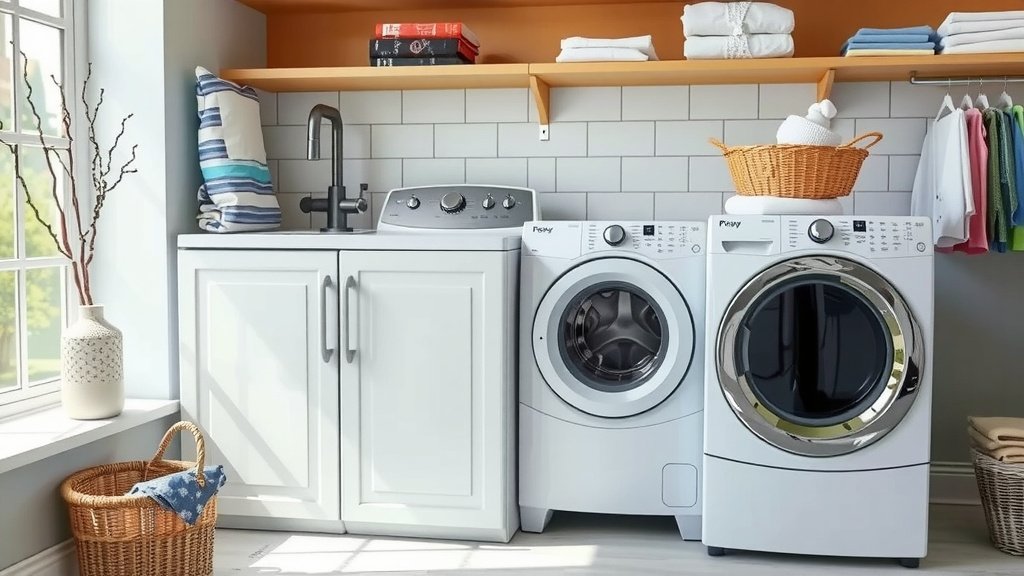
This is the classic laundry setup: one machine for washing, and another for drying. They usually sit side-by-side, offering a robust solution for busy households.
Who Benefits Most from Separate Units?
If you have ample space in your laundry room and frequently handle large volumes of laundry, separate machines are probably your best bet. Families with multiple children or those who find themselves doing laundry daily will appreciate the increased capacity and speed.
The Advantages of a Two-Machine System
- Larger Capacity: Separate units typically offer much bigger drums, allowing you to wash and dry bigger loads of laundry at once. This can save you time by reducing the number of cycles needed.
- Faster Drying Times: Dryers are designed specifically for drying. They often use vented systems that move hot air efficiently, leading to quicker drying times compared to combos.
- Dedicated Functions: Each machine is optimized for its task, leading to potentially better cleaning and drying results for specific fabric types.
- Easier Maintenance: With separate machines, if one breaks down, the other can still function. This can be a lifesaver when you have a lot of laundry to do.
Considerations for Separate Units
The most obvious downside is the space requirement. You’ll need enough room for two full-sized appliances. Installation can also be more complex, often requiring separate water hookups, drainage, and a dryer vent (for most models).
While they offer speed and capacity, they might consume more energy and water per load compared to a highly efficient combo unit, especially if you’re only doing small loads.
Making Your Choice: A Checklist
To help you decide, ask yourself these questions:
- How much space do you realistically have for laundry appliances?
- How much laundry do you typically do in a week?
- How important is speed on laundry day?
- What’s your budget for a new appliance setup?
- Are you looking for the simplest installation possible?
Answering these will point you toward the right direction. If space is your biggest constraint, a combo unit shines. If you need to tackle mountains of clothes quickly, separate units are likely your champion.
Conclusion
Choosing between a washer dryer combo and separate units comes down to your unique needs. Combos are your best friend for saving precious space, offering an all-in-one solution for smaller homes or apartments. Separate washer and dryer units shine when you need larger capacities and faster laundry cycles, perfect for busy households with a lot of clothes to manage. Consider your available space, how much laundry you do, and how quickly you need it done. Once you’ve weighed these factors, you can confidently pick the laundry setup that best fits your life and makes laundry day a breeze.
Frequently Asked Questions
Can a washer dryer combo wash and dry a full load at the same time?
Yes, most combo units are designed to wash and then dry the same load of laundry within a single cycle. You simply load your clothes and select the wash-and-dry option. It’s a true “set it and forget it” operation for that specific load.
How long does a wash and dry cycle take in a combo unit?
Wash and dry cycles in combo units typically take longer than separate machines. Research and found that a full wash and dry cycle can range from 3 to 5 hours. This is because the same drum is used for both functions, and it often requires extra spinning to remove water before drying begins.
Are washer dryer combos more expensive than separate units?
Generally, the upfront cost for a single washer dryer combo unit can be comparable to or slightly less than purchasing a mid-range separate washer and dryer. However, the total cost of ownership might vary based on energy efficiency and potential repair needs over time.
Do I need a special vent for a washer dryer combo?
No, most washer dryer combos do not require a dryer vent. They typically use a condensing or heat pump drying system, which means they collect moisture internally and drain it away with the wash water. This offers great installation flexibility.
Which type of laundry setup is better for families with lots of laundry?
For families with large volumes of laundry, separate washer and dryer units are generally the better choice. Their larger capacities allow you to wash more clothes at once, and their dedicated drying function is much faster than a combo’s, saving you significant time on laundry day.


![7 Best Washer Dryer For Small Apartment [In 2026]](https://homeunderstandable.com/wp-content/uploads/2026/08/7-best-washer-dryer-for-small-apartment-in-2026-featured-768x432.jpg)