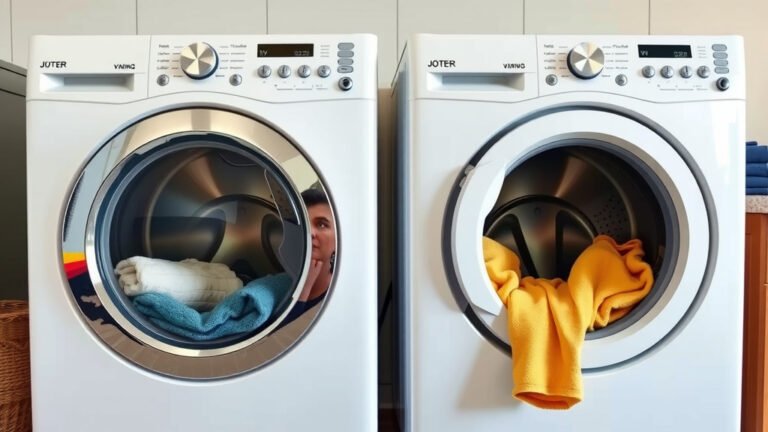
What is a Top Load Washer? Your Complete Guide
A top load washer is a washing machine where you load clothes into the drum from the top. It has a central agitator or an impeller that moves clothes through the wash water. These washers are often more affordable and simpler to operate than front-loaders. They are a popular choice for many households.
Unlike front-loading machines, top loaders don’t require bending down to load or unload laundry. This makes them an excellent option for those with back or knee issues. Many models also offer quick wash cycles, saving you time on laundry day. You’ll find they can handle bulky items quite well too.
- Top load washers load from the top.
- They use an agitator or impeller.
- Often more budget-friendly. Our guide to the best cheap washer dryer sets can help you find a budget-friendly option.
- Easier to load and unload.
- Good for bulky items.
Ready to learn more about how these work and what makes them tick? Let’s get into the details so you can decide if a top loader is right for your home.
Understanding Top Load Washing Machines
So, what exactly is a top load washer? Simply put, it’s a washing machine where you toss your laundry in from the top. They’re a familiar sight in many homes for good reason. These machines have been around for a long time. They offer a straightforward way to get your clothes clean. You’ll find they’re generally easy to use and maintain.
How Top Load Washers Work
The magic inside a top load washer happens thanks to a few key components. The main thing to understand is how they move your clothes around. This movement is what helps loosen dirt and detergent. You’ll see two main types of systems at play here.
Agitator vs. Impeller: What’s the Difference?
The biggest distinction among top load washers is their cleaning mechanism. You’ll typically find either an agitator or an impeller. Both aim to get your clothes clean, but they do it a bit differently.
The Agitator: The Classic Method
An agitator is that tall, finned plastic column in the center of the drum. Think of it as the old-school way to wash clothes. It spins back and forth, twisting and turning your clothes. This action forces water and detergent through the fabrics. It’s known for being tough on stains. However, some research suggests it can be a bit rough on delicate fabrics over time (Consumer Reports).
The Impeller: A Gentler Approach
An impeller, on the other hand, is a low-profile cone or disc at the bottom of the drum. It doesn’t have a tall central column. Instead, it uses fins to create a sweeping motion. The impeller rubs against the clothes, moving them around the tub. This method uses less water and is generally gentler on your garments. Many find this design more efficient for larger loads.
Water Levels and Cycles
Top load washers also vary in how they handle water. Some older or simpler models have an automatic water level setting. You choose the load size, and the machine fills to that level. Newer, more advanced models often feature deep fill options. This lets you manually add more water if you prefer. You can also select different wash cycles, like delicates, heavy duty, or quick wash, to suit your needs.
| Feature | Agitator Washers | Impeller Washers |
|---|---|---|
| Center Component | Tall, finned pole (agitator) | Low-profile cone or disc (impeller) |
| Washing Action | Twists and turns clothes vigorously | Sweeps clothes with fins |
| Water Usage | Often uses more water | Generally uses less water |
| Fabric Care | Can be rougher on clothes | Gentler on fabrics |
| Load Size | Better for smaller to medium loads | Handles larger loads more easily |
Advantages of Choosing a Top Loader
Why do so many people stick with top load washers? There are several compelling reasons that make them a practical choice for many households.
Ease of Use and Accessibility
The most obvious benefit is the convenience of loading. You don’t need to bend down low to put clothes in or take them out. This is a huge plus for anyone with back, knee, or hip pain. It makes laundry day feel a lot less strenuous. Many find this feature alone makes a top loader the right choice for them.
Affordability and Simplicity
Top load washers often come with a lower price tag compared to their front-loading counterparts. This makes them a budget-friendly option. They also tend to have simpler controls. If you’re not looking for a ton of high-tech features, a basic top loader is easy to figure out. Less complex mechanics can also mean fewer repair issues down the line, saving you money.
Faster Wash Cycles
Need to get a load done in a hurry? Many top load washers offer quick wash cycles. These are perfect for lightly soiled items or when you’re short on time. You can have clean clothes ready in under an hour. This is a lifesaver for busy families or anyone who needs a fast turnaround.
Handling Bulky Items
Got a king-size comforter or a pile of towels? Top loaders often excel at washing bulky items. The open drum design makes it easier to fit large, awkward items inside. Plus, with an impeller design, you can usually fit more into the drum without it getting too tightly packed. This is a big advantage over some front-loaders that might struggle with large loads.
Things to Consider with Top Loaders
While top load washers offer many benefits, there are a few things to keep in mind. Being aware of these can help you make the best decision for your laundry needs.
Water Efficiency
Traditionally, agitator models tend to use more water than front-loaders or impeller top-loaders. If water conservation is a top priority for you, look for High-Efficiency (HE) models. HE top loaders are designed to use less water while still getting your clothes clean. You might find they are also more energy-efficient overall.
Spin Speed and Drying Time
Top load washers, especially older or basic models, may not spin clothes as fast as front-loaders. This means your clothes might come out a bit wetter. Consequently, they might take slightly longer to dry in your dryer. If you’re concerned about drying time, look for models with higher spin speeds.
Potential for Wear and Tear
As we mentioned, the central agitator can be tough on fabrics. Over time, clothes can experience more wear and tear compared to washing in a front-loader or an impeller top-loader. If you have a lot of delicate clothing, this is something to consider. Many newer top loaders offer specialized cycles for delicates to help mitigate this.
Making Your Top Loader Checklist
Ready to find the right top load washer for you? Here’s a quick checklist of things to think about:
- Capacity: How much laundry do you do at once?
- Type: Do you prefer an agitator or an impeller design?
- Features: Are quick wash cycles or deep fill options important?
- Efficiency: Are you looking for water and energy savings?
- Budget: What’s your price range?
- Space: Measure your laundry area to ensure a good fit.
Conclusion
You’ve learned that top load washers offer a convenient and often budget-friendly way to tackle laundry. Whether you prefer the classic cleaning power of an agitator or the gentler touch of an impeller, there’s a top loader for your needs. They excel at being easy to load and unload, which is great for your back. Plus, many come with quick wash options to save you precious time. When choosing, consider your laundry habits, fabric types, and desired features. Take these points into account, and you’ll be well on your way to finding a top load washer that makes laundry day a breeze.
Frequently Asked Questions
Are top load washers still a good choice in 2024?
Yes, top load washers remain a popular choice for many households. Their ease of use, affordability, and effectiveness make them a practical option. Modern top loaders also incorporate water-saving technologies, addressing older concerns about efficiency.
Which type of top load washer is better: agitator or impeller?
The “better” type depends on your priorities. Agitators offer robust cleaning for tough stains but can be rougher on clothes. Impellers are gentler on fabrics and often handle larger loads, but might require more water for optimal cleaning.
Do top load washers use more water than front-loaders?
Traditionally, agitator models used more water. However, High-Efficiency (HE) top load washers, especially those with impeller designs, are engineered to use significantly less water, often comparable to front-loaders.
Can I add clothes mid-cycle to a top load washer?
Most top load washers allow you to add forgotten items shortly after the cycle begins. Check your specific model’s manual, as some may have a short window for adding clothes before the water level rises too high.
How do I choose the right size top load washer for my family?
Consider your typical laundry volume. A standard top loader can handle about 8-12 pounds of laundry. For larger families or those who wash bulky items frequently, look for models with larger capacities, often 4.0 cubic feet or more.
![7 Best Budget Stackable Washer Dryer [In 2026]](https://homeunderstandable.com/wp-content/uploads/2026/09/7-best-budget-stackable-washer-dryer-in-2026-featured-768x432.jpg)
![7 Best Wash Machines [In 2026]](https://homeunderstandable.com/wp-content/uploads/2026/09/7-best-wash-machines-in-2026-featured-768x432.jpg)
![7 Best Washing Machine And Price [In 2026]](https://homeunderstandable.com/wp-content/uploads/2026/09/7-best-washing-machine-and-price-in-2026-featured-768x432.jpg)