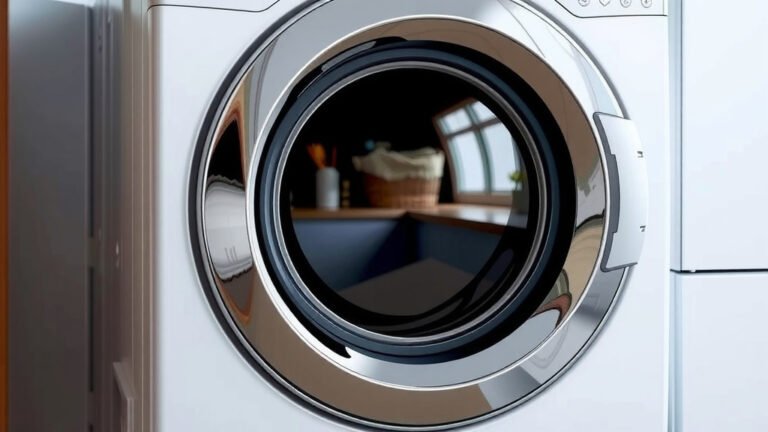
Front Loading Washing Machine: What It Is & How It Works
A front-loading washing machine is a type of washing machine where the drum spins horizontally, and you load clothes through a door on the front. This design uses gravity and tumbling action to clean your clothes more efficiently than older top-loading models. They generally use less water and energy, making them a popular choice for modern households.
Unlike traditional top-loaders with a central agitator, front-loaders have a large drum that tumbles clothes. This gentler action is kinder to fabrics and often leads to better cleaning results. Many people find their clothes come out cleaner and with fewer snags. They also tend to be more energy-efficient and water-wise, which can save you money on utility bills over time.
- Front-loaders spin clothes horizontally.
- Loading is done through a door on the front.
- They are typically more water and energy efficient.
- The tumbling action is gentler on clothes.
- They often clean clothes more effectively.
So, ready to understand what makes these machines tick and if one is right for your laundry room? Let’s dive into the details of front-loading washers.
So, you’re curious about what exactly a front-loading washing machine is? Let’s break down this popular laundry appliance for you. A front-loader is a washing machine where the drum spins horizontally, and you load your clothes through a door on the front. This design uses gravity and a tumbling action to clean your clothes more effectively than older top-loading models. They generally use less water and energy, making them a smart choice for many households.
Understanding the Mechanics of Front-Load Washers
A front-loading washing machine is a device that cleans your clothes using a horizontal drum. You load laundry through a door on the front of the machine. Gravity plays a key role in its cleaning process.
How the Tumbling Action Works
Unlike older top-loaders with a central agitator, front-loaders have a large drum. This drum rotates horizontally. Your clothes are lifted and then dropped back into the water. This tumbling action is much gentler on fabrics. It also helps to dislodge dirt and stains more effectively. Many people find their clothes come out cleaner and with fewer snags and tears. It’s like a gentle massage for your garments, rather than a rough scrub.
The Role of Gravity and Water
Gravity is your friend when it comes to front-loaders. As the drum spins, clothes are lifted. Then, they fall back down into the water and detergent. This repeated action loosens dirt from fibers. The machine uses less water because the drum doesn’t need to fill completely. It only needs enough water to saturate the clothes and create suds. Many guidelines suggest this water-saving design is better for the environment (EPA).
Key Differences: Front-Load vs. Top-Load Washers
You might be wondering how a front-loader really stacks up against the top-loading machines you might be more familiar with. Let’s compare them head-to-head.
Loading and Accessibility
The most obvious difference is how you load them. With a front-loader, you bend down to place clothes through the door at the front. With a traditional top-loader, you reach down into the drum from above. For people with mobility issues, bending can be difficult. Some newer top-loaders have designs that are easier to reach into.
Cleaning Performance and Fabric Care
We found that front-loaders often provide a superior clean. The tumbling action is effective at removing stains. It’s also much gentler on your clothes. This means your favorite sweater or delicate blouse is less likely to get stretched or damaged. Top-loaders, especially those with agitators, can be rougher on fabrics. This can lead to premature wear and tear.
Water and Energy Efficiency
Front-loaders are generally more water and energy efficient. They use significantly less water per load. This is because the drum only fills partially. They also tend to use less energy to heat the water. Since heating water is a major energy consumer in laundry, this can lead to noticeable savings on your utility bills. Research by the Department of Energy consistently shows front-loaders as the more efficient option.
Spin Speeds and Drying Time
Front-loaders typically have higher spin speeds. This means they extract more water from your clothes during the spin cycle. Clothes come out much drier. This can significantly reduce the time your clothes spend in the dryer. Shorter drying times mean less energy used by your dryer too. This is another way front-loaders can save you money.
Capacity and Space Considerations
Front-loaders often offer larger capacities. You can wash bigger loads, which means fewer laundry cycles overall. This can be a huge time-saver for busy households. They also tend to be more stackable. You can often place a dryer on top of a front-load washer. This is a great space-saving solution for smaller laundry rooms or apartments.
Common Features You’ll Find in Front-Load Washers
Today’s front-loaders come with a host of features designed to make laundry day easier and more effective. You’ll find a variety of options to suit your needs.
Wash Cycles and Settings
Most front-loaders offer a wide range of wash cycles. You’ll find options for delicates, heavy-duty, quick wash, and more. Some models even have specialized cycles for sanitizing or allergen removal. These settings allow you to customize each wash for the best results. You can often adjust water temperature and spin speed independently.
Steam Functions and Sanitize Options
Many advanced front-loaders include steam functions. Steam can help to loosen stubborn stains and wrinkles. It can also be used for sanitizing loads. High temperatures kill bacteria and allergens. This is great for households with allergy sufferers or young children. The Centers for Disease Control and Prevention (CDC) recommends hot water and sanitizing cycles for killing germs.
Smart Technology and Connectivity
The latest front-load washers often come with smart technology. You can connect them to your home Wi-Fi. This allows you to control your washer remotely using a smartphone app. You can start a load, get cycle notifications, or even download new wash programs. Some apps can even diagnose issues with the machine.
| Feature | Front-Load Washer | Traditional Top-Load Washer |
|---|---|---|
| Loading Style | Front door | Top opening |
| Cleaning Action | Tumbling (gentle) | Agitator or Impeller (can be rougher) |
| Water Usage | Low | High |
| Energy Efficiency | High | Moderate |
| Spin Speed | High | Moderate |
| Fabric Care | Excellent | Good |
| Stackable | Yes | No |
Is a Front-Loader Right for Your Laundry Room?
Deciding if a front-loader is the best fit for you involves considering a few factors. Think about your laundry habits and your space.
- Consider your budget for the initial purchase.
- Think about the amount of laundry you do weekly.
- Evaluate the space available in your laundry area.
- Do you have any physical limitations that might affect loading?
- Are you looking for the most energy-efficient option?
Conclusion
You’ve learned that front-loading washing machines use a horizontal drum and tumbling action for a gentler, more effective clean. They are often more water and energy efficient than traditional top-loaders. Their higher spin speeds mean less drying time, saving you more energy. While the initial cost can be higher, the long-term savings and better fabric care make them a smart investment for many households. Consider your laundry needs and available space to see if a front-loader fits perfectly into your home.
Frequently Asked Questions
Do front-load washers really clean better?
Yes, research and user reports suggest front-loaders often provide a superior clean. The tumbling action combined with gravity is effective at dislodging dirt and stains. It’s a gentler method than agitators, leading to cleaner clothes with less damage.
Are front-load washers more expensive to repair?
Front-loaders can sometimes be more complex, which might lead to higher repair costs. However, they are generally built with durable components. Regular maintenance and proper usage can help minimize the need for repairs.
Can I use bleach in a front-load washer?
Yes, you can use bleach in most front-load washers. Many models have a dedicated bleach dispenser compartment. Always check your owner’s manual for specific instructions on using bleach and other laundry additives.
How often should I clean my front-load washing machine?
It’s recommended to clean your front-loader monthly. You can use a specialized washing machine cleaner or a mixture of vinegar and baking soda. Wiping down the door seal and leaving the door ajar after each use also helps prevent mold and odors.
Will a front-load washer fit in my small laundry space?
Many front-loaders are designed to be stackable, with a matching dryer that can be placed on top. This saves floor space, making them an excellent option for smaller laundry rooms or apartments. Measure your space carefully before purchasing.
![7 Best Compact Laundry Machines [In 2026]](https://homeunderstandable.com/wp-content/uploads/2026/08/7-best-compact-laundry-machines-in-2026-featured-768x432.jpg)
![7 Best Price For Washing Machine And Dryer [In 2026]](https://homeunderstandable.com/wp-content/uploads/2026/08/7-best-price-for-washing-machine-and-dryer-in-2026-featured-768x432.jpg)

![7 Best Top-Load Washing Machine [In 2026]](https://homeunderstandable.com/wp-content/uploads/2026/09/7-best-top-load-washing-machine-in-2026-featured-768x432.jpg)