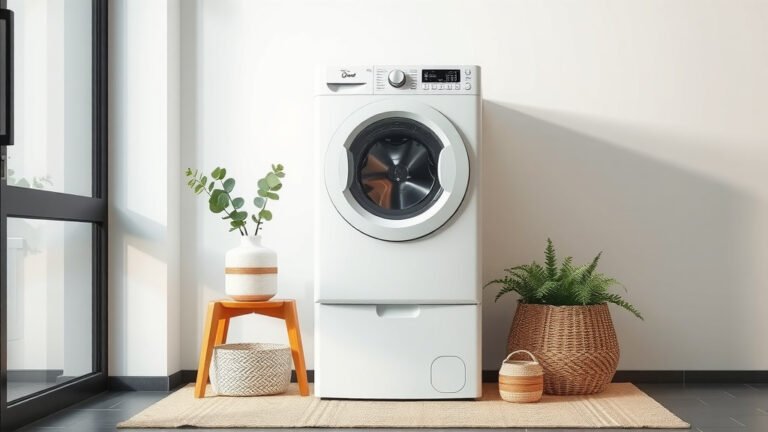
Why Front Load Washers Are a Smart Choice
People like front load washers primarily because they are **more energy-efficient** and **gentler on clothes**, leading to **lower utility bills** and **longer-lasting garments**. Unlike older top-load models, they use less water and heat. This makes them a smart choice for your laundry room and your wallet.
Beyond efficiency, front loaders often boast **larger capacities**, meaning you can wash more laundry at once. This is a big win for busy households. Many models also offer **advanced cleaning cycles** and spin speeds that tackle tough stains better. You’ll find they fit well into modern homes.
TL;DR:
- Front loaders save water and energy.
- They are kinder to your clothes.
- You’ll save money on your utility bills.
- They usually have a larger drum size.
- Many offer better cleaning performance.
Ready to see why a front-load washer might be your next favorite appliance? We’ll walk you through the specific benefits that make them a top pick for so many homeowners.
The Advantages of Front-Load Washers You’ll Love
Many homeowners are making the switch to front-load washers, and for good reason. These machines offer a blend of efficiency and performance that traditional top-loaders often can’t match. You might be wondering what makes them so popular. Let’s break down the key benefits that make front loaders a smart choice for your home.
Saving Resources with Front-Load Technology
One of the biggest draws of front-load washers is their remarkable efficiency. They use significantly less water than their top-load counterparts. This is thanks to their tumbling action, which only requires enough water to saturate the clothes and create suds. You’ll notice a difference in your water bill over time.
Lower Water Consumption Explained
Top-load washers often fill the entire drum with water. Front loaders, however, only need to fill the bottom portion. This clever design means less water is heated for each load. Research shows front loaders can use 40-50% less water per load compared to older top-load models (Consumer Reports).
Energy Efficiency for Your Utility Bills
Because they use less water, front-load washers also use less energy to heat that water. Heating water accounts for a substantial portion of a washing machine’s energy use. By minimizing water, you’re directly cutting down on electricity or gas consumption. This translates into **lower utility bills** month after month. Energy Star certified front-load washers meet strict energy efficiency guidelines set by the U.S. Environmental Protection Agency, saving you even more.
Gentle on Your Clothes, Tough on Stains
Do you have delicate items or clothing you want to keep looking new for longer? Front-load washers excel at this. Their washing action is much gentler on fabrics. This means less wear and tear on your favorite shirts, jeans, and towels.
The Tumbling Action: A Kinder Wash
Instead of an agitator found in many top-loaders that can snag and stretch clothes, front loaders use a tumbling motion. Clothes are lifted and dropped into the water. This motion is effective at cleaning while being far less aggressive. You’ll find your clothes maintain their shape and color better.
Superior Stain Removal Capabilities
Don’t let the gentle action fool you; front loaders are incredibly effective at removing stains. The longer wash cycles and the way they saturate clothes mean detergents can work more deeply into the fabric. Many models offer specialized cycles for tough stains like wine, grass, or grease.
Capacity and Convenience Features
Front-load washers often come with larger drum capacities. This means you can wash bigger loads at once. Think bulky comforters, large family-size loads, or just fewer loads overall.
Washing More in One Go
For busy households, this is a huge benefit. You can tackle laundry day more efficiently. Fewer loads mean less time spent sorting, loading, and unloading the washer. This extra space is a real lifesaver for families or anyone with a lot of laundry.
Advanced Wash Cycles and Spin Speeds
Front loaders are known for offering a wide range of wash cycles. You’ll find options for everything from heavy-duty cleaning to delicate fabrics. Many also feature very high spin speeds. These high speeds extract more water from your clothes. This leads to shorter drying times in your dryer, saving you even more energy and time.
Installation and Design Considerations
Front-load washers offer a sleek, modern aesthetic. Their design often allows for stacking with a matching dryer. This can be a major space-saver.
Stackable Design for Small Spaces
If you’re working with limited laundry room space, a front-load washer and dryer stack is a brilliant solution. You can place the dryer on top of the washer, freeing up valuable floor space. This vertical arrangement is perfect for apartments, condos, or small homes.
Quieter Operation
Many front-load models are designed with vibration reduction technology. This often makes them quieter than top-load washers. You might find you can run laundry at any time without it being a major disturbance.
Making the Switch: What to Expect
Switching to a front-load washer is generally straightforward. You’ll want to ensure you have the proper hookups for water and drainage. Most standard hookups will work.
Understanding the User Experience
One common adjustment is bending down to load and unload clothes. Some people opt for pedestals to raise the machines. These pedestals provide extra storage and make loading easier. Others find the bending is a small price to pay for the benefits.
Here’s a quick checklist to see if a front-loader is right for you:
- Do you want to lower your water and energy bills?
- Do you have delicate clothes you want to protect?
- Do you often wash large or bulky items?
- Is saving time on laundry day a priority?
- Do you appreciate modern appliance design and features?
- Is the option to stack your washer and dryer appealing?
We found that many users report being very satisfied after making the switch. The combination of efficiency, gentleness, and capacity is hard to beat. You’ll likely find it a refreshing change for your laundry routine.
Conclusion
You’ve learned why front-load washers are a popular choice for many households. They offer a fantastic combination of **water and energy savings**, which benefits both your wallet and the environment. Your clothes will also get a gentler wash, leading to a longer lifespan for your favorite garments. Plus, the **larger capacities** and **advanced features** make laundry day more efficient. If you’re looking to upgrade your laundry room with an appliance that’s kind to your clothes and your bills, a front-load washer is definitely worth considering.
Frequently Asked Questions
Are front load washers really gentler on clothes than top loaders?
Yes, they are. Front load washers use a tumbling action that lifts and drops clothes, which is much less abrasive than the agitator found in many traditional top-loaders. This means less stretching and snagging, helping your clothes look newer for longer.
Do front load washers actually save money on utility bills?
Absolutely. Front loaders use significantly less water per load, and since heating water is a major energy expense, this directly translates to lower energy bills. Many are also Energy Star certified, ensuring top efficiency.
Can you really wash bulky items like comforters in a front load washer?
Most front-load washers have larger drum capacities, making them ideal for washing bulky items like comforters, blankets, and large towels. This often means fewer trips to the laundromat for oversized loads.
Is it true that front load washers can fit more clothes?
Yes, generally. The absence of a central agitator in front-load models allows for more usable space within the drum. This means you can fit larger loads or bulkier items into a single wash cycle.
Do front load washers require special detergents?
Yes, you should use a high-efficiency (HE) detergent. These detergents are formulated to create fewer suds, which is essential for the low-water system of a front-load washer. Using regular detergent can lead to excessive suds and potentially damage the machine.
![7 Best Deals On Stackable Washer And Dryer [In 2026]](https://homeunderstandable.com/wp-content/uploads/2026/09/7-best-deals-on-stackable-washer-and-dryer-in-2026-featured-768x432.jpg)