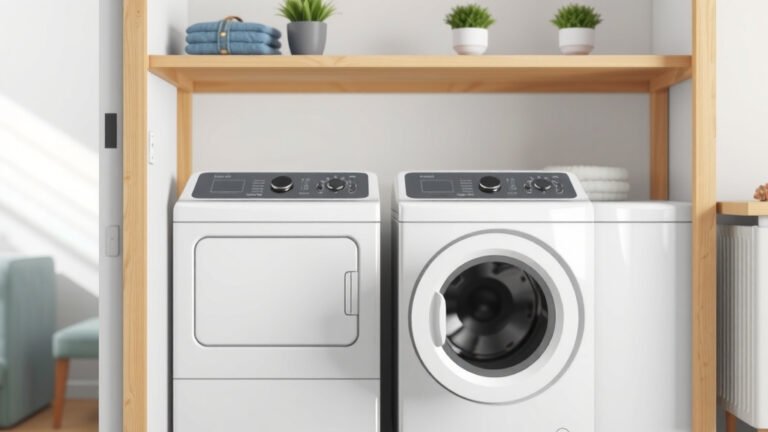
Why Front Load Washers Take So Long Explained
Front-load washers take longer to clean because they use less water and more tumbling to get clothes clean. This means they need more time to soak, tumble, and rinse effectively. While they might seem slow, this efficient method saves water and energy.
You might have noticed your front-loader cycle seems to go on forever compared to older top-loaders. This is a common observation. The technology prioritizes gentle fabric care and deep cleaning, which naturally requires a bit more patience. It’s all part of their design for better results and eco-friendliness.
- Front-loaders use less water for efficiency.
- They rely on tumbling action for cleaning.
- This method takes longer but is gentler on clothes.
- It also helps save energy and water over time.
Let’s walk through exactly why those wash cycles seem to stretch on and what makes them so effective.
Why Your Front-Load Washer Runs for So Long
You load your laundry, select your cycle, and then… you wait. And wait some more. If you’re wondering why your front-load washing machine cycle seems to take an eternity, you’re not alone. It’s a common observation that these machines can run much longer than older top-loaders. The good news is, this extended cycle time is a sign of efficiency and advanced cleaning technology at work, not a malfunction.
The Science Behind Longer Cycles
Front-load washers are designed differently. Instead of using a central agitator to move clothes through a lot of water like many older top-loaders, they rely on a tumbling action. Your clothes are lifted and dropped repeatedly into a smaller amount of water. This gentle, yet thorough, motion works to dislodge dirt and stains.
Water Conservation: The Primary Driver
One of the biggest reasons for longer wash times is their commitment to water efficiency. Front-loaders use significantly less water than traditional top-loading machines. Because there’s less water, the machine needs more time to effectively soak the fabrics, distribute the detergent evenly, and rinse away all the suds. Imagine trying to wash a greasy pan with just a splash of water – it takes a lot more scrubbing and rinsing time! Front-loaders mimic this thoroughness with their tumbling action and carefully managed water levels.
Tumbling Action: Gentle Yet Effective Cleaning
The tumbling action is key to how front-loaders clean. It’s designed to mimic the natural motion of hand washing. Clothes are lifted by baffles inside the drum and then fall back into the water and detergent mixture. This repetitive action helps to:
- Penetrate fabrics more deeply.
- Loosen dirt and stains without harsh agitation.
- Reduce wear and tear on your clothing.
This gentle approach is wonderful for extending the life of your garments. However, achieving a deep clean through tumbling requires more cycles of lifting, dropping, soaking, and rinsing. It’s a more methodical process.
Complex Cycles for Better Results
Modern front-loaders offer a variety of cycles. These cycles aren’t just pre-set timers; they’re carefully engineered sequences of actions. Think of it like a chef preparing a multi-course meal versus just throwing everything in a microwave. Your front-loader might have cycles that include:
- Pre-soaking to tackle tough stains.
- Specific tumbling patterns for different fabric types.
- Extended rinses to ensure all detergent is removed.
- Variable speed spins to extract water efficiently.
Each of these steps contributes to a longer overall cycle time but results in cleaner clothes and better fabric care. Many guidelines from consumer product safety commissions suggest that longer wash cycles can lead to better stain removal when combined with appropriate detergents.
Understanding the Wash Cycle Breakdown
Let’s break down what’s actually happening during one of those longer cycles. It’s not just one continuous wash.
Pre-Wash and Soaking Stages
Many cycles begin with a pre-wash or soaking phase. This allows clothes to sit in water and detergent for a period. This helps loosen dirt and prepare the fabric for the main wash. This can add a significant amount of time before the drum even starts to tumble vigorously.
The Main Wash Tumbling
This is where the characteristic tumbling action really kicks in. The drum rotates, lifting clothes and dropping them. The length of this phase depends on the selected cycle and how soiled your clothes are. Sensors within the machine might even adjust the time based on how much suds they detect.
Multiple Rinses Are Key
To ensure all detergent is removed, front-loaders perform multiple rinses. Because they use less water, each rinse needs to be thorough and may involve several tumbles with fresh water. This step is vital for preventing detergent residue, which can irritate skin and damage fabrics over time. Research from consumer appliance associations often highlights the importance of sufficient rinsing for fabric longevity.
High-Speed Spin Cycles
At the end of the cycle, front-loaders use very high spin speeds. This is to extract as much water as possible. While this part is fast, it follows the longer washing and rinsing stages. The advanced engineering behind these spins helps reduce drying time, which is another form of efficiency.
How Different Cycles Impact Time
Not all cycles are created equal in terms of duration. You have some control over how long your wash will take.
Standard vs. Heavy Duty Cycles
A ‘Normal’ or ‘Cottons’ cycle is typically the shortest in the standard offerings. A ‘Heavy Duty’ or ‘Sanitize’ cycle will almost always take longer. These cycles often involve longer soaking times, more agitation, and extended high-temperature washes to kill bacteria. For example, a sanitize cycle might need to maintain a certain temperature for a specific duration to be effective, as recommended by health organizations like the CDC.
Quick Wash Options
Most front-loaders now come with a ‘Quick Wash’ or ‘Speed Wash’ option. These cycles are designed for lightly soiled items that you need in a hurry. They achieve this by using slightly more water, higher spin speeds, and less tumbling action. You trade some deep cleaning power for speed. These are great for refreshing clothes, not for tackling deeply embedded dirt.
Factors That Can Influence Wash Time
Several things can subtly adjust how long your cycle runs, even on the same setting.
Load Size and Distribution
While front-loaders are good at sensing load size, an unevenly distributed load can sometimes cause the machine to pause or adjust its spin cycles. The machine needs to balance the drum. If it can’t achieve balance, it may re-tumble the clothes or alter the spin speed to prevent damage.
Water Temperature Settings
Washing with hot water requires the machine to heat the water itself. This heating process adds time to the cycle. If you select a ‘Hot’ wash, expect it to take longer than a ‘Cold’ wash, as the machine needs to reach and maintain that higher temperature. This is a feature that helps with sanitization but costs you time.
Soil Level Settings
Many machines allow you to select the soil level. A ‘Light Soil’ setting will run a shorter cycle than a ‘Heavy Soil’ setting. The machine’s sensors may also detect how dirty the water is during the wash and extend the cycle if needed to get them cleaner.
Is the Longer Wash Time Worth It?
Absolutely! The extended cycle times are a direct result of your front-loader’s advanced design for efficiency and fabric care. You’re getting cleaner clothes, using less water and energy, and prolonging the life of your wardrobe.
Benefits Summarized
Think of it this way: you’re investing a little more time at the laundry room for significant returns:
- Reduced utility bills from less water and electricity usage.
- Gentler treatment of clothes means they last longer.
- Superior cleaning performance for tough stains.
- Environmental friendliness by conserving resources.
It’s a trade-off that many users find well worth the wait.
Quick Checklist for Understanding Your Front-Loader
To make the most of your front-load washer and understand its timing, keep these points in mind:
- Know your cycles: Understand what each cycle is designed for.
- Use ‘Quick Wash’ for light loads: Save time when you don’t need deep cleaning.
- Check your load balance: Distribute clothes evenly for smoother operation.
- Consider water temperature: Cold washes are faster and still effective for most items.
- Don’t overload: Overloading can lead to longer cycles and less effective cleaning.
- Consult your manual: It’s your best resource for cycle specifics.
Conclusion
Your front-load washer’s longer cycles are a deliberate design choice for your benefit. They use less water and a gentler tumbling motion for superior fabric care and environmental responsibility. This method might require a bit more patience, but the payoff is cleaner clothes that last longer and lower utility bills. You’re choosing efficiency and garment longevity over speed. So next time you see that cycle timer ticking, remember it’s working smarter, not just longer. Take a moment to review your washer’s manual to truly master its settings and get the best performance from your machine.
Frequently Asked Questions
Can I make my front-loader wash faster?
Yes, you can often speed up your wash with the ‘Quick Wash’ or ‘Speed Wash’ cycle for lightly soiled items. These cycles use less time by increasing water usage and spin speed. Remember, this option is best for refreshing clothes, not for heavy dirt.
Why does my front-loader use so little water?
Front-loaders use less water as a primary design for efficiency and to reduce environmental impact. This lower water level requires a longer soaking and tumbling process to thoroughly clean your clothes. It’s a trade-off for water and energy savings.
Is a longer wash cycle better for my clothes?
Generally, yes. The longer cycles with tumbling action are gentler on fabrics than older agitator models. This prevents excessive wear and tear, helping your clothes last longer. The thorough rinsing also removes detergent residue, which can damage fibers over time.
How do I know if my front-loader is cleaning effectively if the cycle is so long?
The extended time allows for deeper penetration of detergent and water into your fabrics. The tumbling action mimics hand washing, which is very effective at dislodging dirt. Visible results like cleaner clothes and fewer stains, along with the benefits of water saving, indicate effectiveness.
Does hot water make front-loader cycles longer?
Yes, selecting a hot water temperature setting will usually extend the cycle time. The machine needs to take extra time to heat the water to the desired temperature. Cold water washes are typically faster because they use the water directly from your tap.
![7 Best Price Washer [In 2026]](https://homeunderstandable.com/wp-content/uploads/2026/09/7-best-price-washer-in-2026-featured-768x432.jpg)