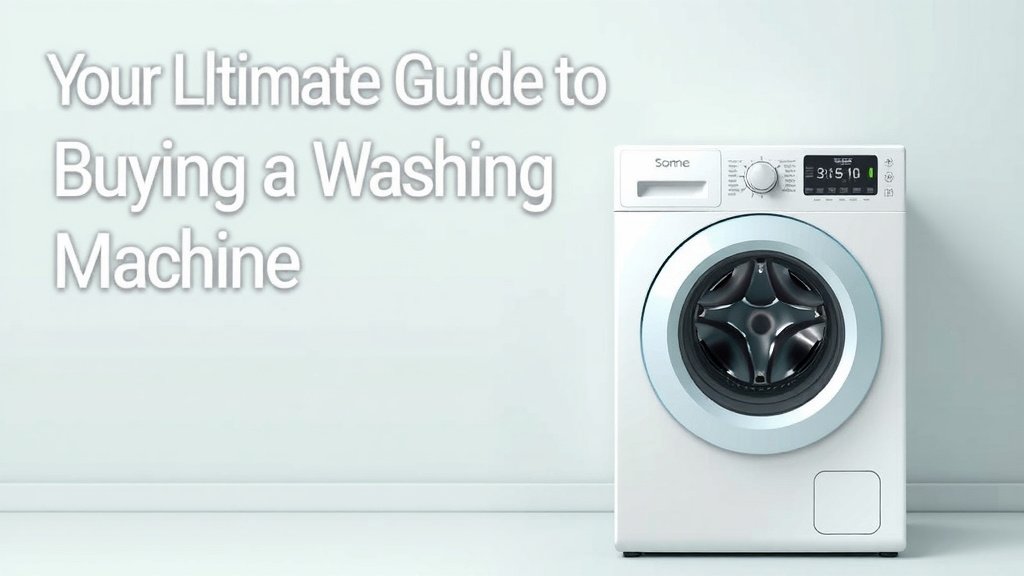
Your Ultimate Guide to Buying a Washing Machine
Buying a new washing machine can feel like a big chore, but it doesn’t have to be! The best way to buy a washing machine is to start by understanding your needs and then comparing different models based on capacity, type, and features. We found that considering your laundry habits and budget upfront saves a lot of time and hassle.
There are two main types: top-load and front-load. Top-loaders are often more affordable and easier to load. Front-loaders tend to be more energy-efficient and offer better cleaning performance. We also found that matching the machine’s size to your available space is super important.
- Know your laundry needs (how much, how often).
- Decide between top-load or front-load.
- Check energy efficiency ratings.
- Measure your space carefully.
- Set a realistic budget.
Ready to find the perfect fit for your home? Let’s walk through the key things to look for when picking out your next washing machine.
“`htmlYour Guide to Buying a New Washing Machine
We know picking a washing machine can feel like a big decision. You want something that cleans your clothes well. You also need it to fit your space and budget. Let’s break down the most important factors to consider. This will help you find the perfect match for your laundry room.
Understanding Washing Machine Types
The first big choice you’ll make is between a top-load and a front-load washer. Each has its own pros and cons. Think about how you prefer to do laundry and what’s most important to you.
Top-Load Washing Machines
Top-load washers are a popular choice for many reasons. They are generally easier to load and unload. You don’t have to bend down as much. This can be a big help for people with back or knee issues.
Agitator vs. Impeller Top-Loaders
Within the top-load category, you’ll find two main types: those with an agitator and those with an impeller. An agitator is a central post that spins clothes around. This can be effective but sometimes harder on fabrics. Impeller models use a low-profile cone or disc at the bottom. They create currents to move clothes. Many experts say impeller models offer a gentler wash and often hold more laundry (Consumer Reports).
Pros and Cons of Top-Loaders
The biggest advantage is the price. Top-loaders are often less expensive than front-loaders. They also tend to have shorter wash cycles. You can usually add forgotten items mid-cycle. However, they typically use more water and energy. They might not clean as thoroughly as some front-loaders.
Front-Load Washing Machines
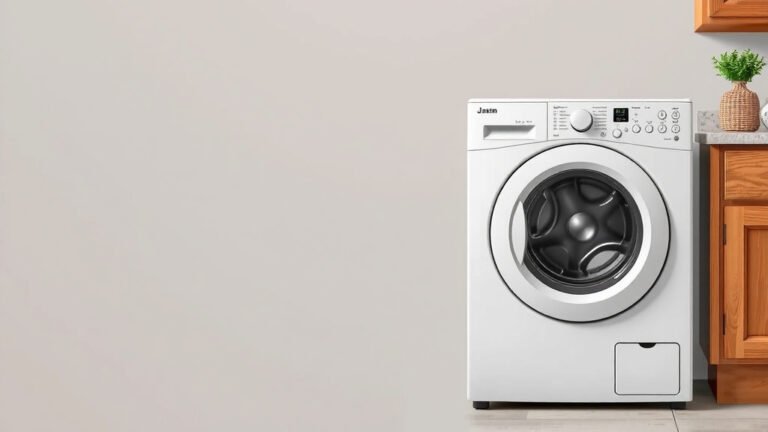
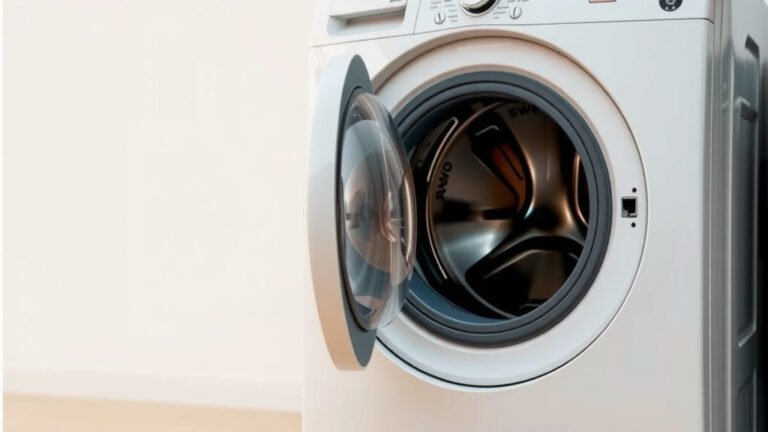
Front-load washers are known for their superior cleaning performance. They use tumbling action to lift clothes into the water, then drop them. This method is tough on stains but gentle on fabrics.
Energy and Water Efficiency
These machines are typically much more energy-efficient. They also use significantly less water. This can save you money on utility bills over time. Many guidelines point to front-loaders as a good choice for saving resources (Energy Star). They also tend to have higher spin speeds. This extracts more water, meaning shorter drying times.
Pros and Cons of Front-Loaders
The main drawbacks are the higher upfront cost and the bending required to load and unload. Some people also find wash cycles longer. You can’t easily add clothes once a cycle starts. Mold can sometimes be an issue around the door seal if not maintained properly.
Key Features to Consider
Once you’ve decided on a type, it’s time to look at the features. You don’t need every bell and whistle, but some can make your laundry routine much easier.
Capacity: How Much Laundry Do You Do?
This is a really important step. Think about your household size and how often you do laundry. Are you washing king-sized comforters or just a few outfits at a time?
- Small households (1-2 people): A capacity of 2.0 to 3.5 cubic feet is usually plenty.
- Medium households (3-4 people): Aim for 3.5 to 4.5 cubic feet.
- Large households (5+ people) or heavy laundry users: You might need 4.5 cubic feet or more.
We found that choosing a slightly larger capacity than you think you need can be helpful. It allows for bulky items and reduces the number of loads you have to run.
Energy Efficiency Ratings
Look for the Energy Star label. Washing machines with this certification meet strict energy efficiency guidelines set by the EPA. This means they use less energy and water. Over the life of the appliance, this can lead to considerable savings. Energy Star certified washers can use up to 50% less energy and 65% less water than their older counterparts (Energy Star).
Wash Cycles and Settings
Most washers come with standard cycles like Normal, Delicates, and Heavy Duty. Think about what else you might need.
- Sanitize cycles: These use very hot water to kill bacteria and allergens.
- Steam cycles: Can help remove wrinkles and freshen clothes.
- Allergen cycles: Specifically designed to remove pet dander and other allergens.
- Quick wash: For lightly soiled items you need in a hurry.
Many modern machines offer smart features. These allow you to control your washer via an app. You can get cycle notifications or even download new wash programs.
Space and Installation Considerations
Don’t forget to measure! It sounds obvious, but a washing machine that doesn’t fit is a huge headache. Measure the space where the washer will go. Also, measure doorways and hallways to ensure you can get it into your home.
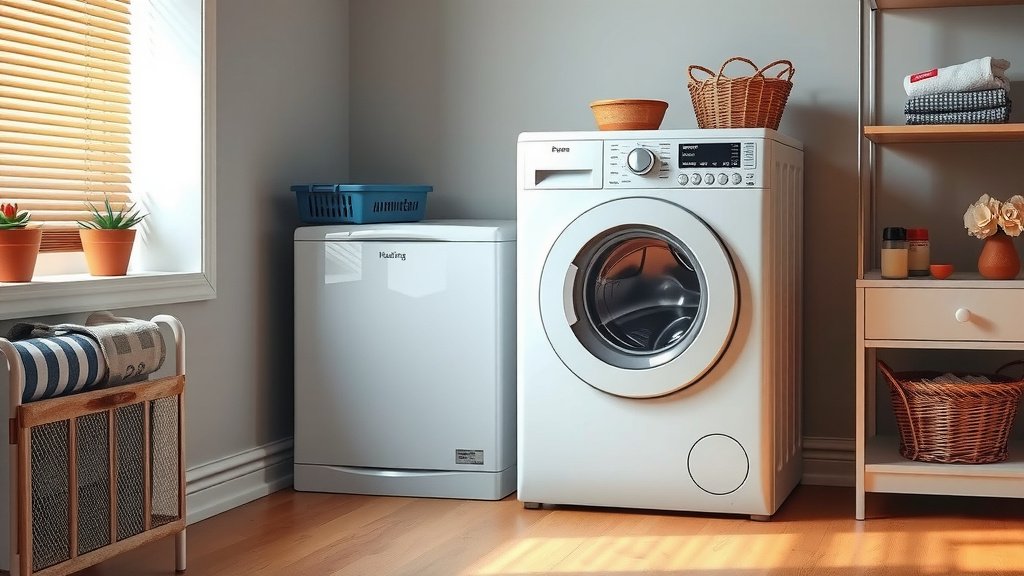
Make sure you have the proper hookups. You’ll need a cold water inlet, a hot water inlet, a drainpipe, and an electrical outlet. Front-loaders often require a drain hose and might need to be vented differently or have specific plumbing.
Budgeting for Your Washing Machine
Washing machines range widely in price. You can find basic top-loaders for a few hundred dollars. High-end front-loaders with all the bells and whistles can cost well over $1,500.
Remember to factor in potential delivery and installation costs. Some retailers offer free delivery and installation, while others charge extra. Think about the total cost of ownership, including energy and water savings, especially if you’re considering a more expensive, efficient model.
Quick Checklist Before You Buy
- Measure your space: Don’t forget height, width, and depth.
- Check utility hookups: Ensure you have the right connections.
- Determine capacity needs: Based on your household size.
- Compare energy efficiency: Look for the Energy Star label.
- Set your budget: Include purchase price, delivery, and installation.
- Read reviews: See what other people are saying about specific models.
Conclusion
You’ve learned that buying a washing machine is about matching its capabilities to your home life. Understanding your laundry habits and space is key. We found that comparing top-load versus front-load washers based on your preferences is the next step. Always check capacity and energy ratings to save money and resources. Now that you have this guide, take those measurements and start comparing models.
Frequently Asked Questions
How often should I run my washing machine?
This depends on your household size and laundry needs. Most families run laundry loads a few times a week. For larger families or those with active lifestyles, it might be more frequent. It’s best to wash clothes when you have enough for a full load to maximize efficiency.
Can I buy a washing machine online?
Yes, you can buy washing machines from many online retailers. Online shopping often offers a wider selection and competitive pricing. Just be sure to check return policies and warranty information before purchasing. Also, confirm delivery and installation services are available for your area.
What is the lifespan of a washing machine?
The average washing machine lasts about 10 to 13 years. This can vary depending on the brand, model, and how well you maintain it. Regular cleaning and addressing minor issues promptly can help extend its life. Following the manufacturer’s maintenance recommendations is important.
Do I need a special outlet for a washing machine?
Most standard washing machines require a grounded three-prong outlet. This is typically a 120-volt outlet. Always check the appliance’s manual or the manufacturer’s specifications for specific electrical requirements. Ensure your home’s wiring can support the appliance’s power draw.
What’s the difference between sanitize and steam cycles?
Sanitize cycles use very hot water to kill germs and allergens. Steam cycles use steam to freshen clothes, reduce wrinkles, and remove light odors. Sanitize is for deep cleaning and hygiene. Steam is more for refreshing lightly worn items between washes.
![7 Best Laundry Machines [In 2026]](https://homeunderstandable.com/wp-content/uploads/2026/09/7-best-laundry-machines-in-2026-featured-768x432.jpg)