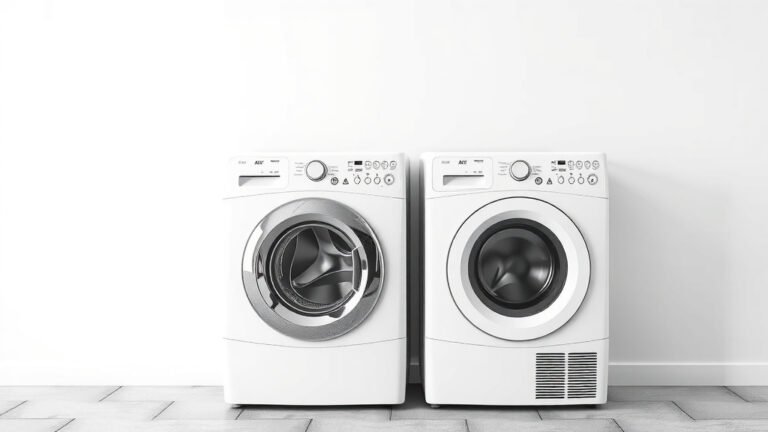
Front Load Washing Machine: Your Ultimate How-To Guide
Working your front load washing machine is surprisingly easy and efficient once you get the hang of it. You’ll simply load your clothes, add detergent, select a cycle, and press start for a clean wash. Most models have straightforward controls designed for everyday use.
Front loaders are known for their water-saving capabilities and gentler wash action compared to top-loaders. Understanding your specific machine’s features can help you get the best results for different fabric types and soil levels.
- Load clothes loosely.
- Use the right amount of detergent.
- Choose the correct wash cycle.
- Wipe the door seal after use.
Let’s walk through exactly how to use your front load washer, step by step, so you can get those clothes sparkling clean!
Getting Started with Your Front Load Washer
Using a front load washing machine is simpler than you might think. It’s all about following a few key steps. You’ll want to make sure you’re loading correctly and using the right settings. This will help your clothes come out cleaner and last longer.
Loading Your Laundry Correctly
The first step is to load your clothes into the drum. Don’t cram them in! Front loaders work best with space. Clothes need room to tumble and move freely through the water. Overloading can lead to poor cleaning and even damage your machine.
Think of it like this: if you can’t easily reach your hand in on top of the clothes, it’s likely too full. Aim for about two-thirds full. This leaves enough space for your items to get a proper wash. Most experts recommend leaving about a hand’s width of space at the top of the drum.
Sorting Your Clothes for the Best Wash
Before you load, sort your laundry. Separate lights from darks. Also, group similar fabrics together. This prevents colors from bleeding onto lighter items. It also helps protect delicate fabrics from heavier ones.
You’ll also want to check pockets for stray items like coins or tissues. These can cause damage or leave lint behind. Always turn jeans and dark items inside out. This helps preserve their color and reduces pilling. It’s a small step that makes a big difference.
Adding Detergent and Other Additives
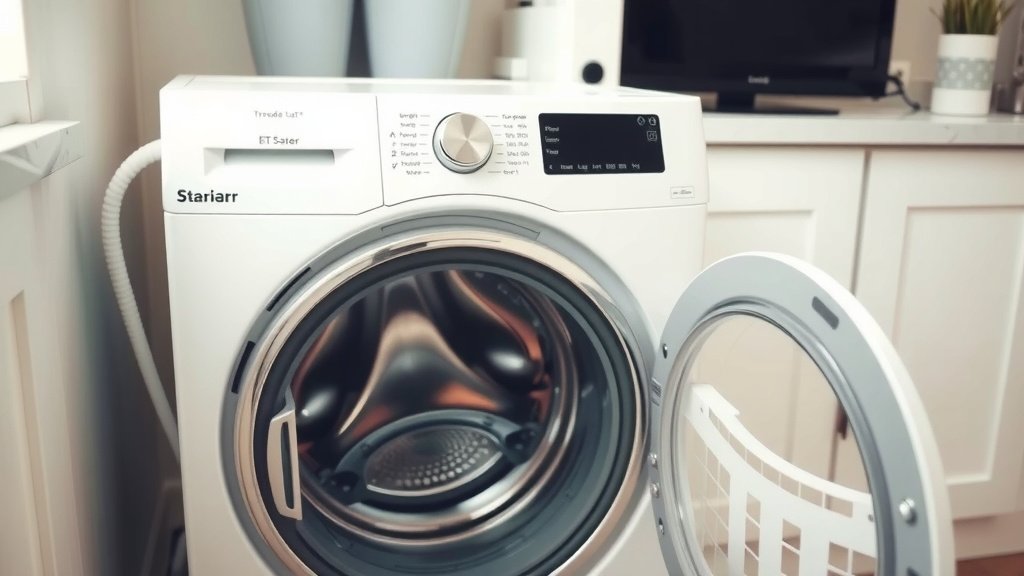
Next up is adding your detergent. Your front loader likely has a dispenser drawer with different compartments. Typically, there’s a section for pre-wash, main wash, and fabric softener. Always use a high-efficiency (HE) detergent. These are specifically designed for front-loaders.
Why HE detergent? Front loaders use less water. Regular detergents can create too many suds. Too many suds can lead to residue on your clothes and even overflow from the machine. Check your detergent’s packaging for the HE symbol. It’s usually a leaf or a specific icon.
Measuring the Right Amount of Detergent
It’s tempting to think more detergent means cleaner clothes, but that’s not true for front-loaders. Overusing detergent is a common mistake. It can leave your clothes stiff and dingy. It can also build up in the machine over time, causing odors and potential damage.
Your machine’s manual will have specific recommendations. Also, check the detergent’s instructions. For HE detergents, you often need much less than you’d expect. For a medium load, one to two tablespoons is often enough. Many HE detergents come with a cap that doubles as a measuring cup.
When to Use Fabric Softener or Bleach
Fabric softener goes in its designated compartment in the dispenser drawer. It’s usually marked with a flower or the word “softener.” This gets dispensed during the final rinse cycle. It helps reduce static and makes clothes feel softer.
Chlorine bleach is used for sanitizing and whitening. If your machine has a bleach dispenser, use that. Otherwise, add it manually during the wash cycle, but be careful not to pour it directly onto clothes. It’s best to dilute it first. Always check your garment’s care label before using bleach.
Selecting the Right Wash Cycle
Your front loader has a variety of cycles. Each one is designed for specific fabric types and soil levels. Choosing the correct cycle ensures your clothes get cleaned effectively without being damaged. It’s like picking the right tool for the job!
Understanding Common Wash Cycles
Here are some common cycles you’ll find on most machines:
- Normal/Cotton: This is your go-to for everyday laundry like towels, jeans, and t-shirts. It uses a good mix of agitation and spin.
- Permanent Press/Synthetics: This cycle is gentler. It’s for items made of synthetic fabrics like polyester or nylon. It also includes a cool-down rinse to reduce wrinkles.
- Delicates/Hand Wash: Use this for delicate items like lingerie, silk, or lace. It has very gentle agitation and a low spin speed.
- Heavy Duty: For heavily soiled items like work clothes or muddy sports uniforms. It uses more water and a longer wash time.
- Quick Wash/Speed Wash: Great for lightly soiled items you need in a hurry. It’s a shorter cycle and doesn’t handle heavy stains well.
- Sanitize: This cycle uses very hot water to kill germs and bacteria. It’s often recommended by health organizations for bedding and baby clothes (CDC).
Customizing Settings: Water Temperature and Spin Speed
Beyond the cycle, you can often adjust water temperature and spin speed. Water temperature is important for cleaning and fabric care. Hot water is best for whites and heavily soiled items. Warm water is good for moderately soiled colors. Cold water is ideal for darks, bright colors, and delicate items. It also saves energy.
Spin speed affects how much water is extracted from your clothes. Higher spin speeds get clothes drier, reducing drying time. However, high speeds can also cause more wrinkling and may be too harsh for delicate fabrics. Lower speeds are gentler. Always consult your garment’s care label for recommended settings.
Post-Wash Care and Maintenance
Once your wash cycle is done, it’s important to unload the machine promptly. Leaving wet clothes in the washer can lead to mildew and that unpleasant “mildew smell.” Many front loaders have a pleasant chime to let you know when the cycle is complete.
Checking the Door Seal for Moisture
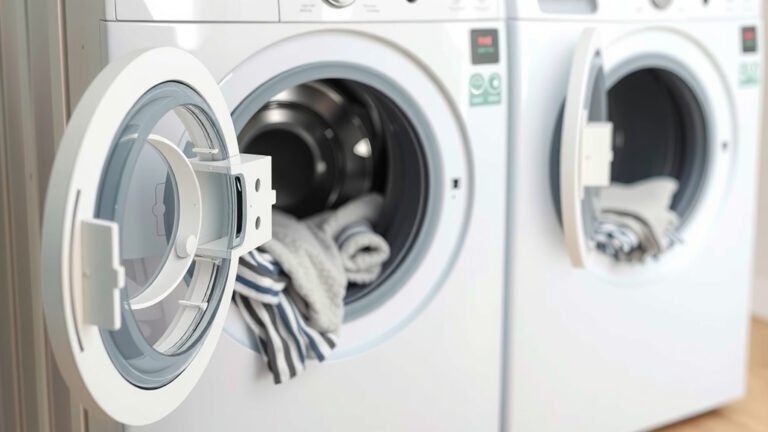
This is a crucial step many people overlook. After each wash, take a moment to wipe down the rubber door seal. You’ll often find water, lint, and even small debris trapped there. If you don’t dry it out, it can become a breeding ground for mold and mildew.
A simple microfiber cloth is perfect for this. Just run it around the inside of the seal. This small habit can prevent odors and keep your machine running smoothly. It’s a quick task that pays off big time.
Leaving the Door Ajar
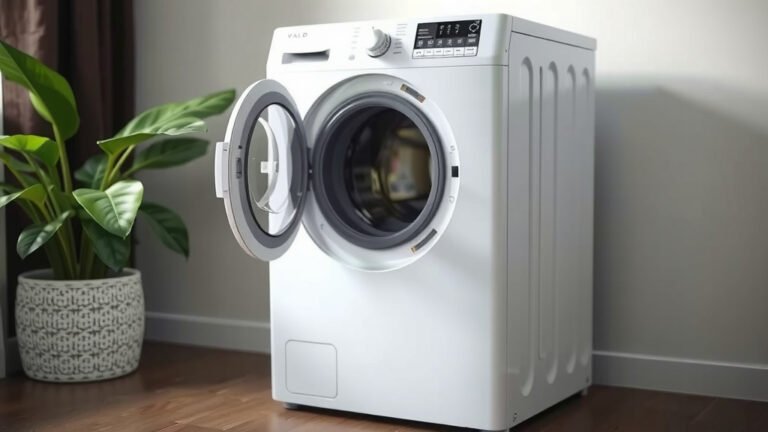
To help the drum and seal dry out completely, leave the washing machine door slightly ajar between uses. This allows air to circulate. Proper ventilation is key to preventing moisture buildup. You can even prop it open with a small towel if needed.
If you notice any odors developing, run a cleaning cycle. Many machines have a self-clean or tub clean option. You can also use specialized washing machine cleaners. Adding a cup of white vinegar or baking soda to an empty hot water cycle can also help refresh the machine.
Here’s a quick checklist for optimal front-loader use:
- Sort clothes by color and fabric type.
- Load the drum loosely, about two-thirds full.
- Use HE detergent and measure it correctly.
- Select the appropriate wash cycle and temperature.
- Unload clothes promptly after the cycle finishes.
- Wipe the door seal and leave the door ajar.
Conclusion
You’ve now got the basics down for operating your front load washer like a pro! Remember, it’s all about a few key habits: loading loosely, using the right HE detergent in the correct amount, and choosing the proper cycle. Don’t forget the simple post-wash steps of wiping the seal and leaving the door ajar. Following these tips will help you get cleaner clothes, extend the life of your machine, and avoid common issues like odors and residue. Ready to give your front loader a workout?
Frequently Asked Questions
Why does my front load washer sometimes smell musty?
Musty smells usually come from moisture trapped in the door seal or drum. Always wipe the rubber seal after each use and leave the door ajar to allow air circulation. Running a cleaning cycle periodically also helps keep your machine fresh.
Can I use regular detergent in my front load washer?
No, you should not. Front load washers use much less water than traditional top-loaders, so regular detergents can create too many suds. Always use a high-efficiency (HE) detergent specifically designed for front-loaders to avoid residue and potential overflow.
How much detergent should I actually use?
Less is more with HE detergents. Overusing detergent is a common mistake that leads to dingy clothes and machine buildup. Check your machine’s manual and the detergent packaging for the recommended amount, which is often just one to two tablespoons for a medium load.
What happens if I overload the washing machine?
Overloading prevents clothes from tumbling freely, leading to poor cleaning and potential damage to your machine. Your clothes need space to move through the water effectively. Aim to fill the drum only about two-thirds full to ensure a good wash.
How often should I clean my front load washing machine?
It’s a good idea to run a cleaning cycle or use a washing machine cleaner about once a month. This helps remove any lingering detergent residue, mineral deposits, and potential mold or mildew that can cause odors and affect performance.