
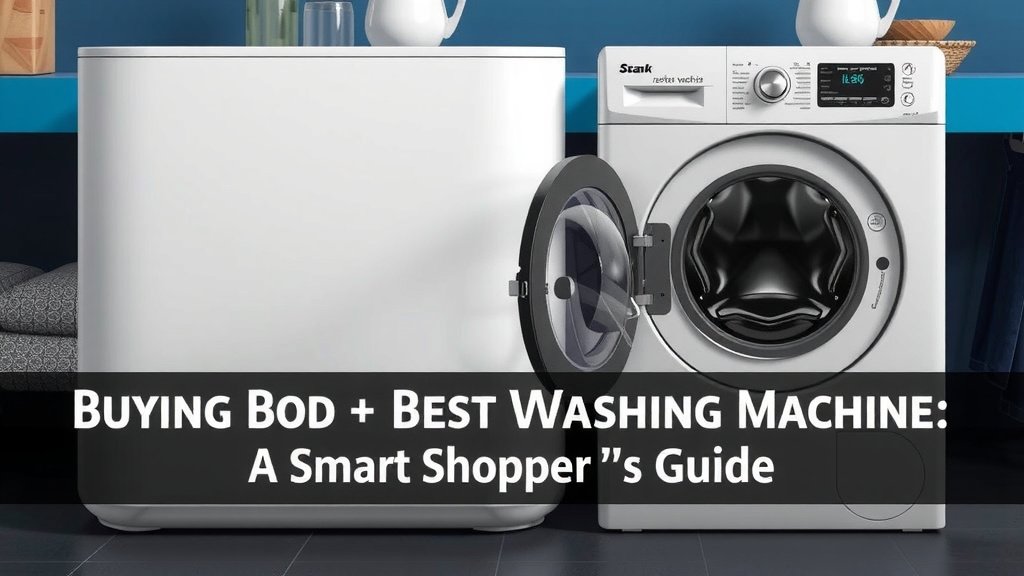
Buying the Best Washing Machine: A Smart Shopper’s Guide
To buy the best washing machine, focus on matching its capacity and features to your household’s needs and laundry habits. Consider whether a top-loader or front-loader better suits your space and preferences. Researching brands and reading reviews will help you find a reliable appliance.
Choosing the right washing machine means looking beyond just price. You’ll want to think about energy efficiency, water usage, and special cycles that might be useful for your specific laundry. Think about how much space you have and what kind of detergent you plan to use.
- Match capacity to your family size.
- Decide between top-load and front-load.
- Look for energy-saving features.
- Consider special wash cycles.
- Read user reviews for reliability.
Let’s walk through exactly how to pick the perfect washing machine for your home, step by step.
“`htmlMaking the Smart Choice for Your Next Washing Machine
Picking the perfect washing machine can feel like a big decision. You want something that cleans well and lasts. It’s about finding the right fit for your home and your laundry routine. We’ll break down what to consider so you can feel confident in your choice.
Understanding Your Laundry Needs
Capacity: How Much Do You Wash?
First things first, think about your household size and how often you do laundry. A small household might be fine with a smaller capacity machine. Larger families or those who wash bulky items like comforters often need a bigger machine. Generally, capacity is measured in cubic feet. A good rule of thumb is 2.5 to 3.5 cubic feet for one or two people. For larger families, look for 4.0 cubic feet or more.
Load Type: Top-Loaders vs. Front-Loaders
This is a classic debate. Both have pros and cons. Top-loaders are often more affordable upfront. They also tend to be easier to load and unload. You can add forgotten items mid-cycle. Front-loaders, on the other hand, are known for being more energy-efficient. They use less water and are gentler on your clothes. Many people find they clean better too. They also tend to have higher spin speeds, which means clothes come out drier.
Top-Loader Considerations
There are two main types of top-loaders: agitator and impeller. Agitator models have a central post that twists and turns clothes. This can be tough on fabrics but offers a powerful clean. Impeller models use a low-profile cone or disc at the bottom of the tub. They create a swirling water action. These are generally gentler and offer more capacity than agitator models.
Front-Loader Considerations
Front-loaders typically use less water because the drum tumbles clothes through a small amount of water at the bottom. This also means they need less detergent. They also tend to be quieter. One thing to note is that they usually require more bending to load and unload. Many people solve this by placing them on pedestals, which adds to the overall cost.
Key Features to Look For
Energy and Water Efficiency
Saving money on utility bills is a big plus. Look for the ENERGY STAR label. These machines meet strict energy efficiency guidelines set by the U.S. Environmental Protection Agency. They use less energy and water than standard models. This is good for your wallet and the planet. Many models will show you estimated annual energy costs, which can be very helpful.
Wash Cycles and Settings
Think about the types of clothes you wash most often. Do you have delicate items that need special care? Do you often wash heavily soiled work clothes? Many machines offer specialized cycles like:”
- Delicate/Hand Wash: For items that need a gentle touch.
- Heavy Duty: For tough stains and heavily soiled items.
- Quick Wash: For lightly soiled loads you need done fast.
- Sanitize: Uses very hot water to kill germs, great for bedding and baby clothes.
- Steam: Can help remove wrinkles and allergens.
Some machines even have smart features, allowing you to control them from your phone or download new cycles. While these can be convenient, they often come with a higher price tag.
Spin Speed Matters
The spin speed, measured in revolutions per minute (RPM), determines how much water is extracted from your clothes. Higher RPMs mean clothes come out drier. This can shorten drying times, saving energy if you use a dryer. For example, a machine with 1200 RPM will get clothes much drier than one with 800 RPM.
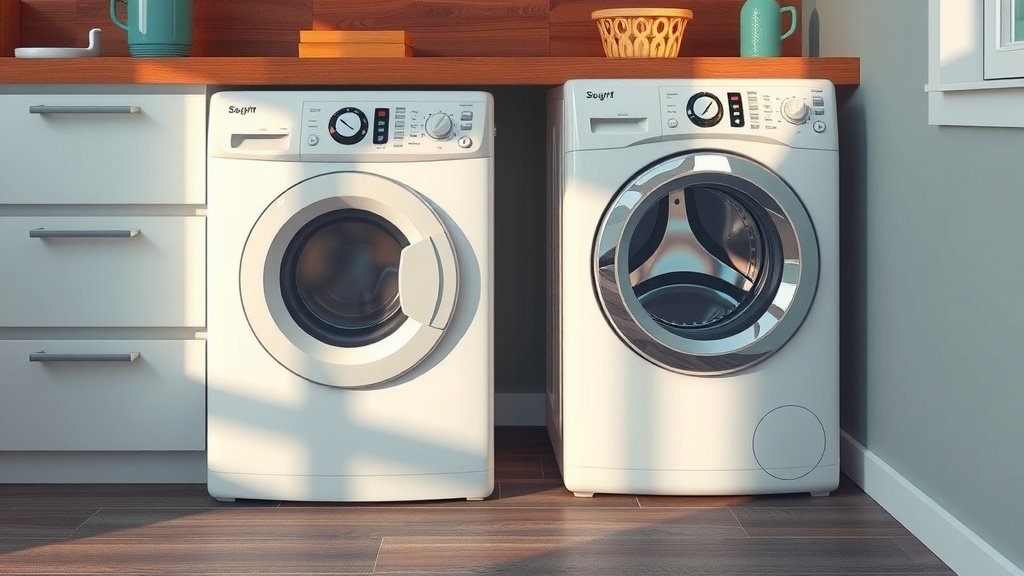
Beyond the Basics: Other Important Factors
Noise Levels
If your laundry area is near living spaces, noise can be a concern. Some machines are designed with quiet operation in mind. Look for models that mention noise reduction features or vibration control. Reading reviews can give you real-world feedback on how loud a machine is during operation.
Durability and Reliability
You want a washing machine that will last. Researching brands known for reliability is a smart move. Check consumer reports and online reviews. Look for patterns in complaints or praise. Many experts suggest looking at brands with good customer service records and readily available parts.
Budget Considerations
Washing machines range widely in price. Basic models can be found for a few hundred dollars. High-end, feature-rich machines can cost over a thousand. Remember to factor in potential costs for installation and detergent. While a cheaper machine might seem appealing, consider the long-term value of a more durable and efficient model.
Your Washing Machine Checklist
Here’s a quick rundown to help you narrow down your choices:
- Confirm the ideal capacity for your household size.
- Decide if a top-loader or front-loader better suits your needs.
- Prioritize ENERGY STAR certified models for savings.
- Note down the special wash cycles you’ll actually use.
- Read reviews focusing on reliability and noise levels.
- Set a realistic budget that includes potential extras.
Conclusion
You’re now equipped to find the best washing machine for your home. Remember to prioritize your household’s laundry needs and how you typically wash clothes. Matching capacity, load type, and essential features like energy efficiency and specialized cycles to your habits will lead to a smart purchase. Don’t skip researching brands and checking reviews for long-term reliability. Your next step is to visit a store or browse online, armed with this knowledge, and start comparing models that fit your criteria.
Frequently Asked Questions
How do I know what washing machine capacity I need?
Consider your household size and laundry frequency. A family of 1-2 typically needs around 2.5 to 3.5 cubic feet, while larger families or those washing bulky items should look for 4.0 cubic feet or more. Think about whether you do laundry daily or batch it weekly to gauge the best size for you.
Are front-load washers truly more water-efficient than top-loaders?
Yes, front-load washers are generally more water-efficient. They tumble clothes through a smaller pool of water at the bottom of the drum. This also means they typically require less detergent than top-load machines, leading to further savings.
What does ENERGY STAR certified mean for a washing machine?
An ENERGY STAR certified washing machine meets strict energy efficiency guidelines set by the U.S. Environmental Protection Agency. This means it uses less energy and water than standard models, saving you money on utility bills and benefiting the environment.
Is a high spin speed (RPM) really important for washing machines?
A higher spin speed is important because it extracts more water from your clothes. This means your laundry will come out drier, significantly reducing the time needed in the dryer. Less drying time means less energy consumption and potentially shorter laundry days.
How can I ensure my new washing machine won’t be too noisy?
If noise is a concern, look for models that specifically advertise quiet operation or vibration control features. Reading user reviews is a great way to get real-world feedback on how loud a machine is during its cycles, as manufacturers’ claims can sometimes differ from actual experience.
![7 Best Washer And Dryer Stackable [In 2026]](https://homeunderstandable.com/wp-content/uploads/2026/09/7-best-washer-and-dryer-stackable-in-2026-featured-768x432.jpg)
![7 Best Washing Machine And Dryer Combo [In 2026]](https://homeunderstandable.com/wp-content/uploads/2026/09/7-best-washing-machine-and-dryer-combo-in-2026-featured-768x432.jpg)
![7 Best Small Front Load Washing Machine [In 2026]](https://homeunderstandable.com/wp-content/uploads/2026/08/7-best-small-front-load-washing-machine-in-2026-featured-768x432.jpg)
![7 Stackable Washer And Gas Dryer Best [In 2026]](https://homeunderstandable.com/wp-content/uploads/2026/08/7-stackable-washer-and-gas-dryer-best-in-2026-featured-768x432.jpg)