Finding the Best Washing Machine for Your Home
Finding a good washing machine means looking for features that match your laundry needs and fit your budget. Consider the type of washer, its capacity, and energy efficiency ratings to make the best choice for your home. A good machine saves you time and money in the long run.
The washing machine market can feel overwhelming with so many brands and models. We found that understanding key differences, like top-load versus front-load and smart features, helps narrow down your options. Think about the type of clothes you wash most often and the space you have available.
- Capacity: Match the drum size to your household’s laundry volume.
- Type: Front-loaders are often more efficient, while top-loaders can be more budget-friendly.
- Energy Efficiency: Look for the ENERGY STAR label to save on utility bills.
- Cycles: Ensure it has settings for your common fabric types and soil levels.
- Noise Level: Quieter machines are a big plus, especially in open-plan living spaces.
Let’s walk through exactly how to find a washing machine that’s a perfect fit for your family’s laundry routine.
Choosing the Right Washing Machine for Your Home
Picking a new washing machine can feel like a big decision. You want something that cleans your clothes well. You also want it to be easy to use and not break the bank. We’ve looked into what makes a washing machine a good fit for most households.
Understanding Washer Types and How They Work
Top-Load Washers: A Familiar Choice
Top-load washers have the lid on top. You load clothes from above. Many people are used to this style. They can be a bit simpler to operate. Think about your grandmother’s old washer. It was likely a top-loader. They are also often less expensive upfront.
There are two main types of top-loaders. The first is an agitator model. This has a central post that twists clothes. The second is an impeller model. It uses a low-profile cone or disc at the bottom. Impeller models tend to be more gentle on clothes. They also usually offer more capacity.
Front-Load Washers: Efficiency and Performance
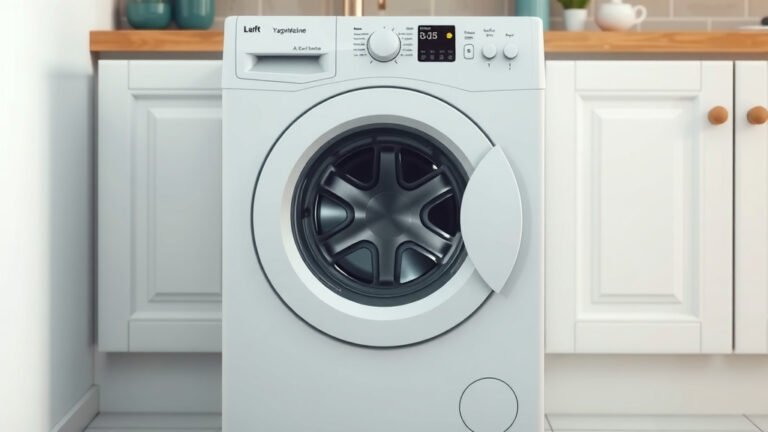
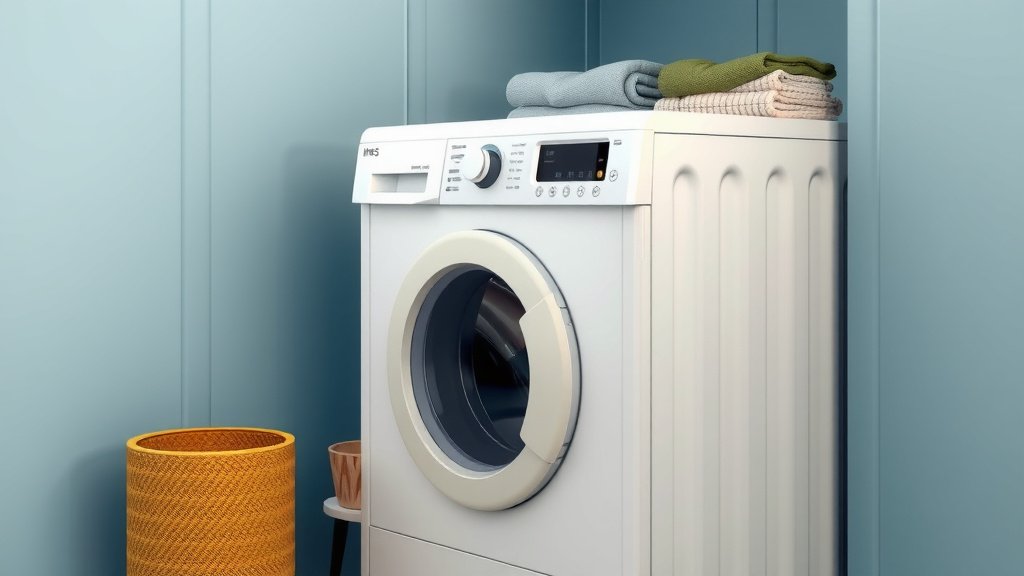
Front-load washers have a door on the front. You load clothes through this door. These machines typically use less water. They are also known for being more energy-efficient. This can save you money on your utility bills over time. They often have higher spin speeds, which means clothes come out drier.
Many front-loaders offer superior cleaning performance. They use tumbling action to move clothes. This is very effective at removing dirt. They can also be stacked with a dryer. This saves floor space, which is a big plus for smaller homes. However, they can sometimes be more expensive to buy.
Key Features to Consider for Better Laundry Days
Capacity: How Much Laundry Do You Have?
This refers to the size of the drum. It’s measured in cubic feet. A larger capacity means you can wash more clothes at once. This is great for families with lots of laundry. It can also mean fewer loads per week.
For a single person or a couple, a smaller capacity might be fine. But if you have kids or a busy household, you’ll want a larger one. Think about washing bulky items like comforters. A larger drum makes this much easier. We found that checking the drum size is a must-do when comparing models.
Cycles and Settings: Tailoring Your Wash
Most washers come with standard cycles. These include Normal, Delicate, and Heavy Duty. But look for specialized cycles. Do you wash a lot of athletic wear? Then a sportswear cycle could be useful. Are there frequent spills? A steam setting can help lift tough stains.
Consider how you sort your laundry. Some machines offer specific settings for different fabric types. This protects your clothes. Think about the soil level of your laundry. Most machines have a soil setting to adjust wash time and water levels.
Energy and Water Efficiency: Saving Money and Resources
Washing machines use both electricity and water. The U.S. Department of Energy has a rating system. Look for the ENERGY STAR label. Machines with this label use less energy and water than standard models. This is good for your wallet and the environment.
Front-load washers are generally more efficient. They use less water per load. They also spin clothes faster. This reduces the drying time needed for your clothes. This means your dryer uses less energy too. We found that the initial cost difference often pays for itself in utility savings.
Noise Level: Peace and Quiet in Your Home
Some washing machines can be quite loud. If your laundry room is near living areas, noise matters. Many manufacturers now focus on quiet operation. They use better insulation and motor technology. Some even have vibration-reduction systems.
Check reviews for comments on noise. Manufacturers might list decibel (dB) ratings. Lower numbers mean a quieter machine. Some models have special quiet modes. These can be ideal for late-night laundry. You don’t want your washer to sound like a jet engine.
Putting It All Together: Your Washing Machine Checklist
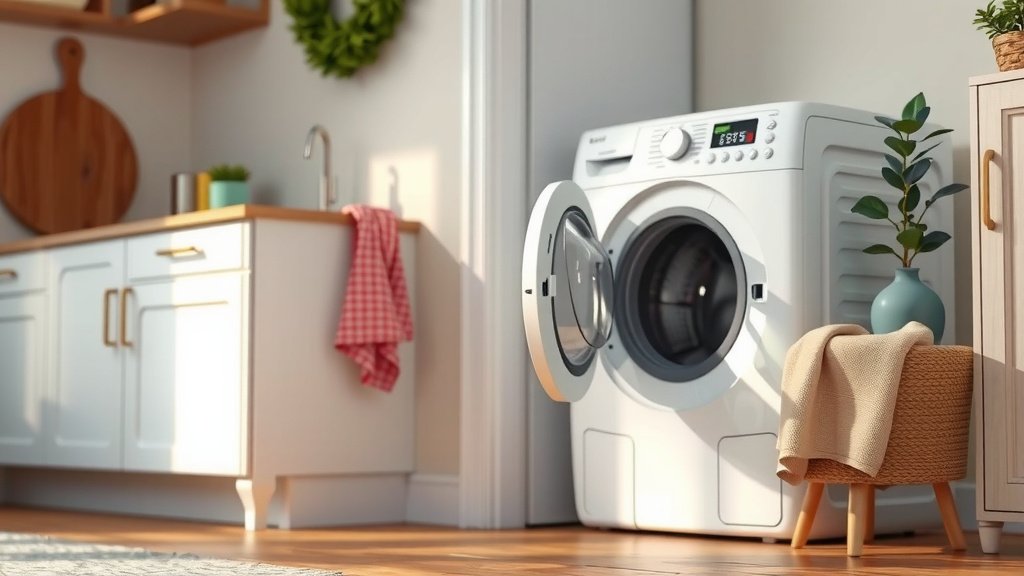
We’ve gathered some quick tips to guide your search. Here’s a checklist to help you make the right choice:
- Measure your space: Ensure the new washer will fit.
- Consider your laundry habits: How much do you wash? What types of clothes?
- Set a budget: Include potential installation and delivery costs.
- Check energy ratings: Look for the ENERGY STAR label.
- Read reviews: See what other users say about performance and noise.
- Think about needed features: Do you need steam or special cycles?
Conclusion
You’ve learned how to find a washing machine that truly fits your life. Remember to consider your household’s laundry habits and the space you have. Matching the washer type, capacity, and efficiency to your needs is key. Don’t forget to check for useful cycles and noise levels. By using our checklist and keeping these tips in mind, you’re ready to make a smart purchase. Your next step? Measure your laundry space and start comparing models!
Frequently Asked Questions
How do I know what washing machine capacity I need?
Consider the size of your household and how often you do laundry. Larger families or those who wash bulky items like bedding frequently will need a bigger drum capacity. For singles or couples, a smaller capacity is usually sufficient.
Are front-load or top-load washers better for saving money?
Front-load washers are generally more energy and water efficient, which can save you money on utility bills over time. While they might have a higher upfront cost, the long-term savings often make them a more economical choice.
What does an ENERGY STAR label mean for a washing machine?
An ENERGY STAR certified washing machine uses significantly less energy and water compared to standard models. Choosing one means you’ll save money on your utility bills and reduce your environmental impact.
Is it worth paying extra for special wash cycles like steam or sanitizing?
Specialized cycles can be very useful if you frequently wash certain types of items or have specific needs. For example, a steam cycle can help remove tough stains, while a sanitizing cycle is great for allergy sufferers or baby clothes.
How can I find out if a washing machine will be noisy?
Check product reviews from other customers, as they often comment on noise levels. Some manufacturers also provide decibel (dB) ratings for their machines; lower numbers indicate quieter operation. Vibration reduction technology can also contribute to less noise.
![7 Best Washer And Dryer For Small Spaces [In 2026]](https://homeunderstandable.com/wp-content/uploads/2026/08/7-best-washer-and-dryer-for-small-spaces-in-2026-featured-768x432.jpg)