
Washing Machine vs Washer: What’s the Difference
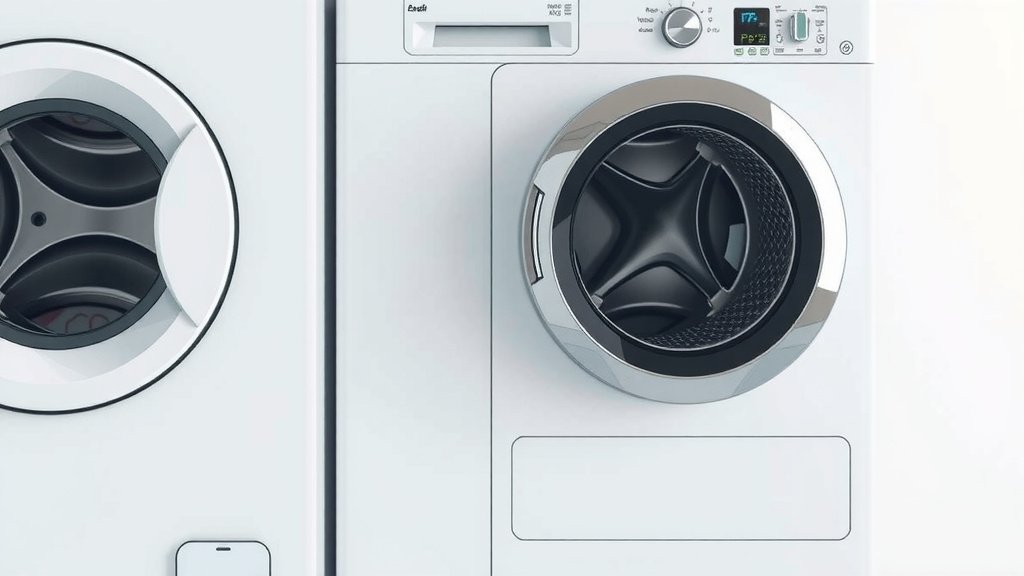
Are you wondering if “washing machine” and “washer” are the same thing? You’re not alone! Many people use these terms interchangeably, and for good reason. Essentially, a washer is just a shorter, more common way to say washing machine. They both refer to the same appliance that cleans your clothes using water and detergent. You can think of it like “refrigerator” versus “fridge” – different words, same appliance!
While “washing machine” is the full, formal term, “washer” is the one you’ll hear most often in everyday conversation. We found that most appliance stores and manufacturers use both terms, often within the same product description. So, whether you’re shopping for a new unit or just talking about laundry day, you can confidently use either term. It’s really about convenience and common usage.
- “Washer” is the common, shortened term for “washing machine.”
- Both terms refer to the same household appliance.
- You can use either term interchangeably without confusion.
- Think of it like “refrigerator” vs. “fridge.”
Let’s get into the details and make sure you’re fully equipped to talk about laundry appliances with confidence. We’ll cover how these terms are used in practice and what you might expect when shopping.
Understanding Appliance Terminology: Washer vs. Washing Machine
You might be wondering if there’s a real difference between a “washer” and a “washing machine.” The short answer is no. These terms are used interchangeably to refer to the same appliance that washes your clothes. We found that most people use “washer” as a casual, everyday term. It’s simply a shorter, friendlier version of the full name.
Think about how you talk about other household items. You might say “fridge” instead of “refrigerator” or “TV” instead of “television.” It’s a natural part of language to shorten words for ease of use. Appliance manufacturers and retailers understand this. You’ll often see them use both “washer” and “washing machine” in product descriptions and marketing materials. This shows that both terms are widely accepted and understood.
The Evolution of Language and Appliances
Language is always changing, and so are the ways we refer to things. As appliances became common in homes, shorter names naturally emerged. The “washing machine” has been around for a long time. Early models were large and took up significant space. Over time, these machines became more standardized. The term “washer” likely gained popularity because it’s quicker to say and write.
We found that in common conversation, “washer” is definitely the more frequent term. If you’re chatting with a friend about doing laundry, you’re more likely to hear “I need to buy a new washer” than “I need to purchase a new washing machine.” Both are correct, but one just feels more natural in everyday speech. This kind of linguistic evolution is common for many technologies we use daily.
What to Expect When Shopping
When you’re in the market for a new laundry appliance, you’ll see both terms used. Don’t let it confuse you! A product listed as a “front-load washer” is the same as a “front-load washing machine.” Retailers want to make it easy for you to find what you’re looking for. They use the terms that customers search for and use.
You might also notice variations like “automatic washer” or “automatic washing machine.” This simply refers to a machine that performs the entire washing cycle without manual intervention. It’s another way of describing the modern appliance we all know. The core function remains the same, regardless of the specific wording used.
Practical Differences: None, Really!
From a functional standpoint, there is absolutely no difference between a washer and a washing machine. Both terms describe the electrical appliance that uses an agitator or impeller, combined with water and detergent, to clean clothes. The technology behind them is what matters, not the name you use to refer to them.
Understanding Appliance Types
Within the category of “washers” or “washing machines,” you’ll find different types. These distinctions are important when choosing a new appliance. You’ll need to consider factors like capacity, energy efficiency, and specific features. The name you use won’t change these underlying differences.
Top-Load vs. Front-Load Washers
This is a major classification you’ll encounter. A top-load washer has its door on top, allowing you to load clothes from above. These often come with an agitator in the center to help move clothes around. Many people find top-loaders easier to load and unload. We found that they tend to be less expensive upfront. A top-load washer has its door on top, and our guide can help you choose the best one.
A front-load washer has its door on the front. These machines typically use a tumbling action to clean clothes. They are often more energy-efficient and use less water than traditional top-loaders. Many experts suggest front-loaders are gentler on clothes. The cleaning performance can also be superior for many types of loads (Consumer Reports).
High-Efficiency (HE) Washers
This term refers to machines designed to use less water and energy. High-efficiency washers can be either top-load or front-load. They often require special HE detergent, which produces fewer suds. Using the wrong type of detergent can cause problems, like over-sudsing and potential damage to the machine.
The U.S. Department of Energy sets standards for energy efficiency. Appliances that meet these standards are labeled as such. Choosing an HE model can save you money on utility bills over time. It’s also a more environmentally friendly choice. Many newer models are designed with HE technology built-in.
Key Features to Consider
When you’re looking at washing machines, think about what features are most important to you. Do you need a large capacity for a big family? Are you interested in steam cycles for sanitizing? Perhaps specific wash cycles for delicates or heavy-duty items are a must-have. These are the questions that will guide your purchase, not the name of the appliance.
Capacity and Size
Washers come in various capacities, measured in cubic feet. A smaller capacity might be fine for an individual or a couple. Larger families will likely need a bigger machine. You also need to consider the physical dimensions of the washer. Make sure it will fit in your laundry space. Measure carefully before you buy!
Wash Cycles and Options
Modern washing machines offer a wide array of cycles. These can include options for delicates, bulky items, quick washes, and more. Some machines have advanced features like Wi-Fi connectivity, allowing you to control them remotely. Decide which cycles and features will genuinely make your laundry routine easier.
In Conclusion: Use Either Term with Confidence
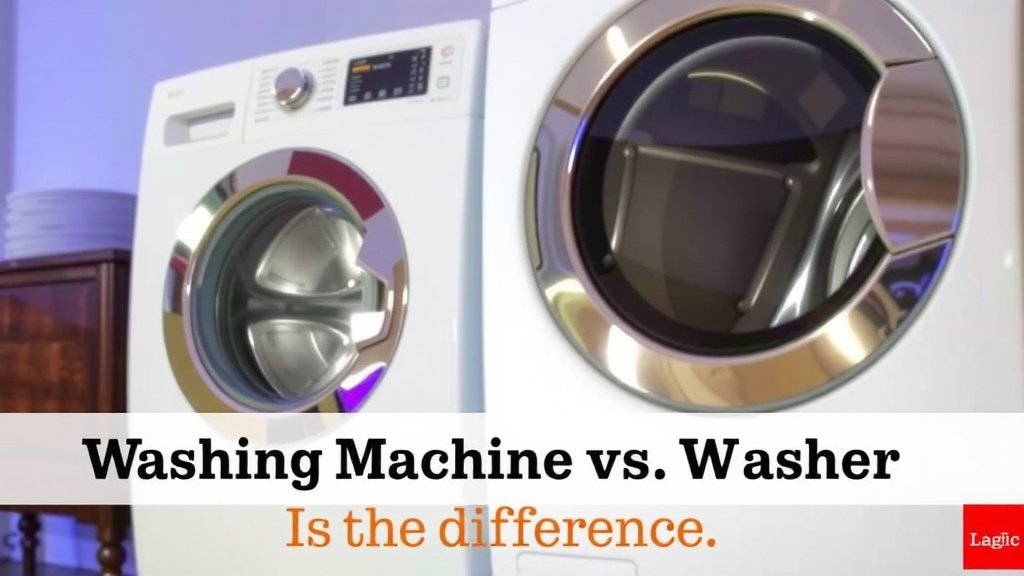
Whether you call it a washer or a washing machine, you’re referring to the same essential appliance. The term “washer” is simply a common abbreviation. We found that in practice, the distinction is purely linguistic. When shopping or discussing laundry, feel free to use whichever term feels most natural to you. The important part is understanding the types and features available to meet your household’s needs.
Here’s a quick checklist to remember:
- “Washer” is a shortened version of “washing machine.”
- They refer to the exact same appliance.
- Shopping for a “washer” means you’re looking for a “washing machine.”
- Focus on features, capacity, and efficiency, not the name.
- Both terms are widely understood by consumers and retailers.
- You can use them interchangeably without causing confusion.
Conclusion
So, to wrap things up, the terms “washer” and “washing machine” refer to the same appliance. Think of “washer” as your friendly, everyday shorthand. We’ve found that retailers and manufacturers use both freely, so you won’t cause any confusion by using either. The real work happens in understanding the different types of machines, like top-load versus front-load, and the features that matter most for your laundry routine. Your next step is to use this knowledge to confidently shop for the machine that best fits your home and lifestyle.
Frequently Asked Questions
Can I use “washer” and “washing machine” in the same sentence?
Absolutely! You can use both terms interchangeably. For example, you might say, “I’m looking for a new washing machine, specifically a high-efficiency washer.” This sounds perfectly natural and will be easily understood by anyone you’re talking to.
Are there any differences in performance between a “washer” and a “washing machine”?
No, there are no performance differences. The terms are just different ways to refer to the same machine. The technology, cycles, and cleaning ability depend on the specific model, not whether you call it a washer or a washing machine.
Which term is more common in the US: washer or washing machine?
In everyday conversation in the US, “washer” is definitely more common. It’s shorter and quicker to say. However, “washing machine” is still widely understood and used, especially in more formal contexts or product descriptions.
Do appliance stores prefer one term over the other?
Appliance stores and manufacturers use both terms to reach the widest audience. They understand that customers use both “washer” and “washing machine” when searching online or asking for help. You’ll find products listed under both names, often even within the same listing.
Is there a difference between a “washing machine” and a “laundry machine”?
Generally, “laundry machine” is a broader term that could include dryers or washer-dryer combos. However, in common US usage, “laundry machine” is often used as a synonym for “washing machine” or “washer” when referring specifically to the appliance that washes clothes.
![7 Best Small Washer And Dryer For Apartments [In 2026]](https://homeunderstandable.com/wp-content/uploads/2026/08/7-best-small-washer-and-dryer-for-apartments-in-2026-featured-768x432.jpg)
![7 Best Mini Washer And Dryer [In 2026]](https://homeunderstandable.com/wp-content/uploads/2026/08/7-best-mini-washer-and-dryer-in-2026-featured-768x432.jpg)
![7 Best Stackable Washer/Dryer [In 2026]](https://homeunderstandable.com/wp-content/uploads/2026/08/7-best-stackable-washer-dryer-in-2026-featured-768x432.jpg)
![7 The Best Stackable Washer Dryer Combo [In 2026]](https://homeunderstandable.com/wp-content/uploads/2026/09/7-the-best-stackable-washer-dryer-combo-in-2026-featured-768x432.jpg)
![7 Top-Loading What Is The Best Washing Machine [In 2026]](https://homeunderstandable.com/wp-content/uploads/2026/09/7-top-loading-what-is-the-best-washing-machine-in-2026-featured-1-768x432.jpg)