
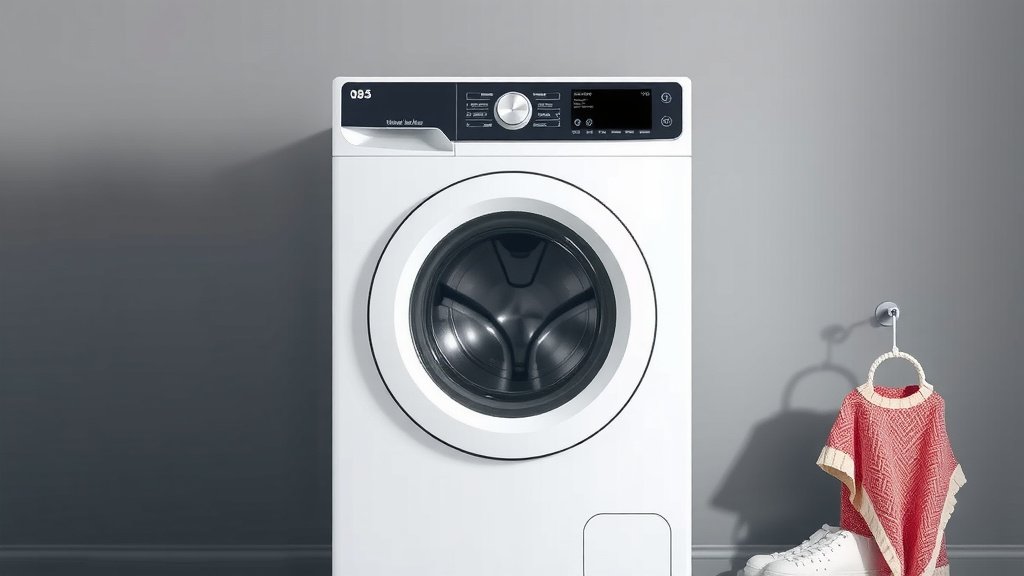
Best Front Loader Washing Machine Guide September 2026
The best front loader washing machine to buy often comes down to balancing capacity, cleaning performance, and energy efficiency. For many households, a model offering large drum sizes and specialized wash cycles like sanitize or steam is ideal. You want a machine that’s both gentle on clothes and tough on stains, saving you time and money on utility bills.
When choosing your next washing machine, consider your family’s needs and laundry habits. Front loaders are known for their water-saving capabilities and gentler approach to fabrics compared to top-loaders. We’ve researched many models to help you find one that fits your budget and delivers sparkling clean results.
- Capacity matters for families.
- Look for energy-efficient models.
- Consider special wash cycles for specific needs.
- Front loaders are generally gentler and more water-wise.
- Budget and long-term value are key.
Let’s dive into what makes a front loader a great choice for your home and what features you should prioritize when shopping.
Choosing Your Ideal Front Loader Washing Machine
Finding the best front loader washing machine for your home involves looking at a few key features. You want a machine that cleans your clothes effectively while being kind to your fabrics and your wallet. We’ve researched what makes a front loader stand out. This guide will help you pinpoint the right model for your household.
Understanding Front Loader Benefits
Front-load washers are a popular choice for good reason. They generally use less water than their top-loading counterparts. This can lead to lower utility bills over time. They also tend to be gentler on clothes. The tumbling action reduces friction and wear. This means your favorite shirts and delicate items might last longer.
Water and Energy Savings
One of the biggest advantages of a front loader is its efficiency. They use gravity to move clothes through a small amount of water. This contrasts with top-loaders, which often fill the entire tub. The U.S. Department of Energy notes that ENERGY STAR certified washers can use at least 20% less energy and water than typical models. Look for the ENERGY STAR label when you shop.
Gentle on Fabrics
Do you have a lot of delicate items or clothes you want to keep looking new? Front loaders excel here. The drum rotates horizontally. Clothes tumble down and through the water. This action is much less harsh than the agitator found in many traditional top-loaders. This means less stretching and snagging for your garments. Many users report that their clothes feel better and last longer.
Key Features to Look For
When you’re comparing models, several features can make a big difference. Think about your laundry habits and the types of loads you do most often. A machine with the right features will make laundry day a breeze.
Capacity and Drum Size
How much laundry do you typically do? Families with children or those who wash large items like comforters will need a larger capacity machine. Capacities are usually measured in cubic feet. A standard household might be fine with a 3.5 to 4.5 cubic foot model. Larger families or those who do fewer, bigger loads might aim for 5.0 cubic feet or more. A bigger drum means fewer loads, saving you time and energy.
Wash Cycles and Options
Modern front loaders offer a variety of specialized wash cycles. These can tackle specific cleaning needs. Some common ones include:
- Sanitize Cycle: Uses very hot water to kill germs and bacteria. This is great for bedding and towels. The CDC recommends hot water washes for certain items to reduce germ spread.
- Steam Cycle: Helps to loosen dirt and remove allergens. It can also reduce wrinkles, meaning less ironing for you.
- Delicates Cycle: Uses a slower spin speed and gentler agitation for fragile fabrics.
- Quick Wash: For lightly soiled items that you need cleaned in a hurry.
- Allergen Cycle: Designed to remove common household allergens like pet dander and dust mites.
Consider which of these cycles would benefit your household the most. If you have allergies or often wash baby clothes, an allergen or sanitize cycle could be a lifesaver.
Spin Speed (RPM)
The spin speed of a washing machine is measured in revolutions per minute (RPM). A higher RPM means the drum spins faster. This extracts more water from your clothes. Why does this matter? Clothes that are drier coming out of the wash will take less time to dry in your dryer. This can save energy and reduce wear on your dryer. Many high-efficiency front loaders offer spin speeds of 1200 RPM or higher.
Energy Efficiency Ratings Explained
Beyond the ENERGY STAR label, understanding specific ratings helps. The EnergyGuide label, required by the Federal Trade Commission, provides an estimate of a washer’s annual energy consumption and operating cost. This label is your friend when comparing machines side-by-side. It helps you estimate how much you’ll spend on utilities for that particular model.
| Washing Machine Type | Estimated Water Use (Gallons per Load) | Estimated Energy Use (kWh per Year) |
|---|---|---|
| Traditional Top Loader | 40-50+ | 1000+ |
| High-Efficiency Top Loader | 25-35 | 600-800 |
| Front Loader | 15-25 | 400-600 |
Note: These are approximate figures and can vary greatly by model and usage.
Noise and Vibration Factors
Let’s be honest, some washing machines can sound like a jet engine preparing for takeoff. Newer front loaders often incorporate advanced suspension systems and stronger frames. These reduce noise and vibration, especially during high-speed spin cycles. If your laundry room is near a living area, look for models that advertise quiet operation or vibration reduction technology. Some even have specialized feet or balance systems to keep them steady.
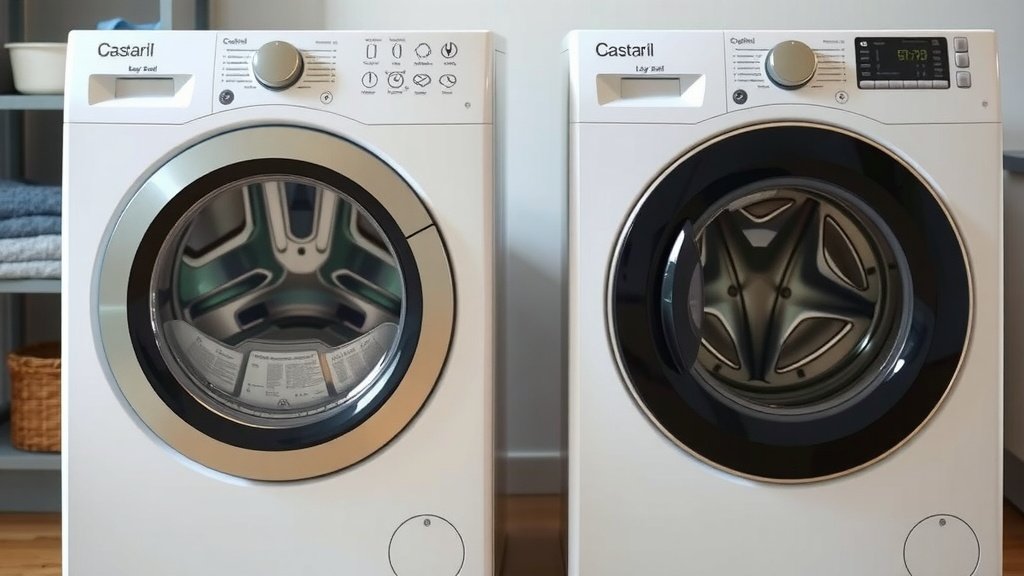
Smart Features and Connectivity
Many of today’s front loaders come with smart capabilities. You can often connect them to your home Wi-Fi network. This allows you to control and monitor your washing machine via a smartphone app. You might receive notifications when a cycle is complete. Some apps allow you to download new wash cycles or troubleshoot issues remotely. Think about whether these conveniences would genuinely simplify your life or just add another app to manage.
Durability and Maintenance
Front-load washers are built to last, but like any appliance, they need care. One common concern is mold or mildew buildup around the door seal. This happens because front loaders create a very tight seal to prevent leaks. It’s essential to wipe down the door gasket after each use. Leaving the door ajar between washes also helps air circulate. Many manufacturers now include self-cleaning cycles to help keep the drum fresh. Checking user reviews for reports on long-term durability is always a good idea.
Your Front Loader Shopping Checklist
Ready to find your perfect match? Keep these points in mind:
- Check the Capacity: Does it fit your typical laundry loads?
- Prioritize Efficiency: Look for ENERGY STAR certification.
- Review Wash Cycles: Do the available cycles meet your specific needs?
- Consider Spin Speed: Higher RPM means drier clothes.
- Read Reviews: Focus on noise, reliability, and cleaning performance.
- Budget Wisely: Balance upfront cost with long-term savings.
Conclusion
Choosing the best front loader washing machine is about finding a balance that fits your life. You’ve learned how capacity, efficiency, and special wash cycles can make laundry day simpler and kinder to your clothes. Remember to look for the ENERGY STAR label for savings on water and electricity. By prioritizing features like high spin speeds and quiet operation, you’ll invest in a machine that offers long-term value. Your next step is to compare models based on your family’s specific laundry needs and budget. You can do this by checking your top choices against the shopping checklist provided.
Frequently Asked Questions
How often should I clean my front loader’s door seal?
You should wipe down your front loader’s door seal after each use. This helps prevent mold and mildew buildup. Leaving the door slightly ajar between washes also promotes air circulation and keeps the seal dry.
Are front loaders truly more energy-efficient than top loaders?
Yes, research shows front loaders generally use significantly less water and energy. This is due to their tumbling action and smaller water requirements. Look for the ENERGY STAR certification for the best efficiency ratings.
What is the average capacity I should look for in a front loader?
For a standard household, a capacity between 3.5 to 4.5 cubic feet is often sufficient. Larger families or those who wash bulky items regularly might prefer models with 5.0 cubic feet or more capacity.
Are smart features on washing machines worth the extra cost?
Smart features can offer convenience, like cycle notifications and remote control. Consider if these features align with your lifestyle and laundry habits. They can simplify tasks for some users but may not be essential for everyone.
What does a high RPM mean for my laundry?
A higher RPM (revolutions per minute) indicates a faster spin speed. This extracts more water from your clothes. Drier clothes mean shorter drying times in your dryer, which saves energy and reduces wear on both appliances.
![7 Best Washer Dryer Stackable Combo [In 2026]](https://homeunderstandable.com/wp-content/uploads/2026/09/7-best-washer-dryer-stackable-combo-in-2026-featured-768x432.jpg)
![7 Best Washer For Apartment [In 2026]](https://homeunderstandable.com/wp-content/uploads/2026/08/7-best-washer-for-apartment-in-2026-featured-768x432.jpg)
![7 What Are Best Washer And Dryer To Buy [In 2026]](https://homeunderstandable.com/wp-content/uploads/2026/09/7-what-are-best-washer-and-dryer-to-buy-in-2026-featured-768x432.jpg)
![7 Best Price Stackable Washer Dryer [In 2026]](https://homeunderstandable.com/wp-content/uploads/2026/09/7-best-price-stackable-washer-dryer-in-2026-featured-768x432.jpg)