
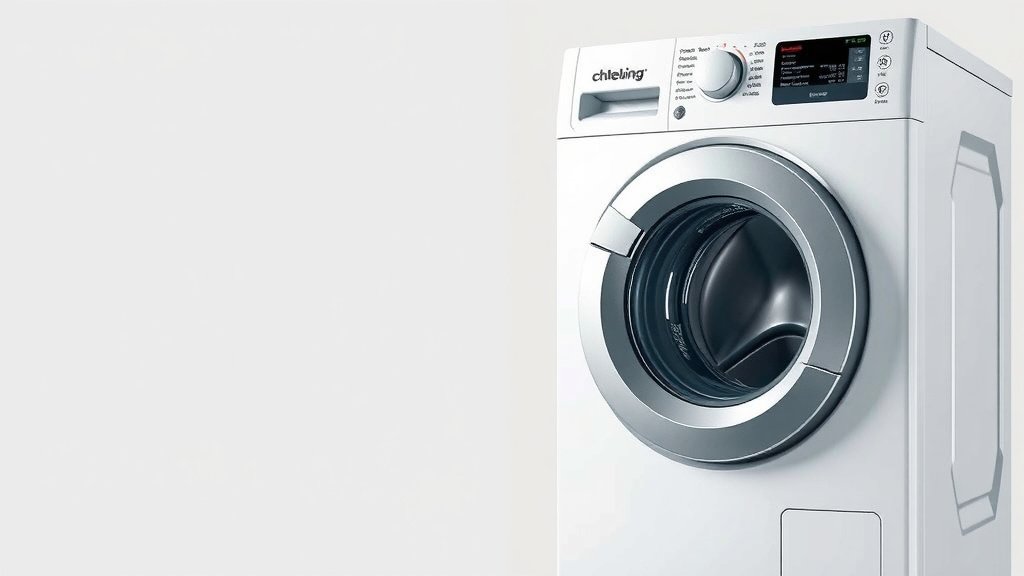
Simplest Washing Machine: Easy Operation Guide
The simplest washing machine to use is typically a top-load, agitator-style model. These machines offer straightforward controls with easy-to-understand cycles like “Normal,” “Delicate,” and “Heavy Duty.” You just toss your clothes in, add detergent, select a setting, and press start. They require minimal learning and are a familiar choice for many households.
While high-efficiency and front-load washers boast energy savings, their advanced features can sometimes be confusing. For sheer ease of operation, the traditional agitator model remains a top contender. You won’t be bogged down by dozens of specialized cycles or complex digital displays. It’s about getting your laundry done without the fuss.
- Top-load washers with an agitator are the easiest.
- They have simple, clear controls.
- Cycles are basic and easy to select.
- No complicated menus or settings.
- Just add clothes and start.
Let’s walk through exactly what makes these models so user-friendly and what you should look for when shopping.
“`htmlFinding the Easiest Washing Machine to Operate
You’re looking for a washing machine that just gets the job done. Something where you don’t need a manual thicker than your favorite novel. We get it. Life is busy, and laundry shouldn’t add to your stress. The good news is, simplicity is still readily available in washing machines.
When we talk about the easiest washing machine to use, we’re generally pointing to a specific type. It’s the one many of us grew up with, or at least recognize instantly. Let’s break down why this style stands out for its straightforward operation.
The Reign of the Top-Load Agitator Washer
The top-load washer with a central agitator is our reigning champion for simplicity. Think of it as the reliable workhorse of laundry appliances. You open the lid from the top, drop your clothes in, and that’s the first step in its user-friendly design.
The magic of the agitator is in its direct action. This is the tall post in the middle of the drum that twists and turns. It helps move clothes around in the water, providing a familiar and effective cleaning motion. Many people find this method comforting and easy to understand.
Understanding the Simple Controls
One of the biggest draws of these machines is their control panel. Forget tiny buttons and confusing symbols. You’ll typically find large, clearly marked knobs or buttons. They’re designed for intuitive use, even if you’re not a tech whiz.
Dialing in Your Wash
Most models use a simple dial system. You’ll turn the dial to select your wash cycle. Common options include “Normal,” “Delicates,” “Heavy Duty,” and “Whites.” Each one is designed for a specific type of load, making it easy to choose the right setting without overthinking.
Some machines might have a few more options, like an extra rinse or soak cycle. Even these are usually presented in a clear, understandable way. You won’t find yourself squinting at a screen trying to decipher a laundry riddle.
Water Levels: No Guesswork Here
Another fantastic feature for ease of use is the water level selection. Many traditional top-loaders allow you to choose how much water you want in the tub. You can select “Small,” “Medium,” “Large,” or even “Extra Large.”
This means you can tailor the water amount to the size of your load. If you have a small load of socks, you don’t need to fill the whole tub. This is much simpler than high-efficiency models that often have automatic sensors you can’t manually override. You have **direct control**, and that’s a big part of what makes them so easy.
Why Agitator Models Win on Ease of Use
So, what specifically makes these machines a breeze to operate compared to others? It boils down to a few key factors that reduce the learning curve.
Familiarity Breeds Comfort
For many people, these are the washers they’ve used for years. This **familiarity** means you likely already know how to operate one without any instruction. It’s like riding a bike; once you know how, it’s hard to forget. This inherent ease reduces anxiety about breaking a complicated appliance.
Fewer Cycles, Less Confusion
While advanced washers might offer 20 or more specialized cycles, a simple agitator model typically has a handful. You might see cycles for:
- Normal
- Heavy Duty
- Delicates
- Whites
- Colors
- Maybe a Quick Wash
These cover the vast majority of your laundry needs. You don’t need to research what “Allergy Cycle” or “Steam Refresh” actually does. It’s a straightforward approach to tackling your dirty clothes.
Top-Load Advantage: No Bending
Let’s not forget the physical aspect. Top-load washers require you to load and unload clothes from the top. This means **no bending down** to load or retrieve items from the drum. For individuals with back issues or mobility concerns, this is a huge convenience factor.
It also means you can add a forgotten sock or shirt mid-cycle without issue. Just lift the lid, toss it in, and close it. It’s a small thing, but it contributes to the overall effortless experience.
What to Look for in a Simple Washing Machine
If you’re in the market for the easiest washing machine, here’s a quick checklist of features to prioritize:
- Top-loading design: This is non-negotiable for maximum ease of access and operation.
- Physical knobs or large, clearly labeled buttons: Avoid complex touch screens.
- Minimal wash cycle options: Stick to the basic “Normal,” “Delicates,” and “Heavy Duty.”
- Manual water level selection: The ability to choose your water level provides control.
- Simple detergent dispenser: Look for a straightforward compartment, not multiple confusing drawers.
- Energy Star certification (optional but recommended): Even simple machines can be energy efficient. The EPA notes that Energy Star certified appliances use less energy and water, saving you money over time.
Considering Alternatives: Are There Other Simple Options?
While the top-load agitator is king of simplicity, some might wonder about other types. What about high-efficiency (HE) top-loaders or even compact models?
High-Efficiency (HE) Top-Loaders: A Step Up in Complexity
HE top-loaders are designed to save water and energy. They often lack an agitator, using impellers (discs with vanes) instead. While they offer some user-friendly aspects, their controls can sometimes be more complex.
These machines often have automatic load sensing, which is great for efficiency but less straightforward for users who prefer to set their own water levels. Many users have also found that the wash cycles can be longer. For the absolute simplest experience, they might not be the first choice.
Compact and Portable Washers: Simplicity with Limitations
For those with very limited space or who need a temporary solution, compact or portable washers can seem appealing. These are often very basic, sometimes connecting to a sink faucet.
Their simplicity is undeniable. You usually have just a few settings and a small capacity. However, they are generally less powerful and can only handle small loads. They are a good solution for very specific needs, but not typically for a household’s main laundry machine if you’re seeking straightforward, robust operation.
A Quick Comparison of Washer Types by Ease of Use
To help visualize the differences, consider this:
| Washer Type | Ease of Operation | Key Simplicity Factor | Potential Complexity |
|---|---|---|---|
| Top-Load Agitator | Very Easy | Intuitive knobs, basic cycles, familiar design. | None significant for basic use. |
| HE Top-Load (No Agitator) | Moderately Easy | Top access, some basic settings. | Automatic load sensing, longer cycles, more specialized options. |
| Front-Load Washer | Moderately Easy | Simple loading. | Requires bending, complex cycle options, door seal maintenance. |
| Compact/Portable | Very Easy | Minimal settings, small size. | Very small capacity, less effective cleaning for large items. |
As you can see, the traditional top-load washer with an agitator consistently ranks highest for sheer ease of use. It strikes a perfect balance between functionality and simplicity.
“`Conclusion
You’ve learned that the simplest washing machine for most households is the traditional top-load washer with an agitator. Its straightforward design, easy-to-understand controls, and familiar operation mean you can tackle laundry day without any confusion. You gain control over your wash with basic settings and manual water level selection. If you’re looking for a laundry appliance that prioritizes ease of use above all else, this is your best bet. Your next step is to look for models that feature physical knobs and minimal cycle options to ensure you’re getting maximum simplicity.
Frequently Asked Questions
Do I need a manual to use a simple top-load washer?
Generally, no. Simple top-load agitator washers are designed for intuitive use. You can usually figure out the basic wash cycles and settings just by looking at the control panel. If you ever need to check something, a quick glance at the manual should suffice.
Are simple washers less effective at cleaning clothes?
Not necessarily. While they may not have specialized cycles, traditional agitator washers have been cleaning clothes effectively for decades. The agitator’s motion helps move clothes through the water and detergent, providing a good clean for everyday laundry needs.
Can I still save energy with a simple washing machine?
Yes, you can. Look for models with an Energy Star certification. These machines are designed to use less energy and water than non-certified models. Even a simple washer can be an eco-friendly choice with the right certification.
What if I have a very small load of laundry?
With a simple top-load agitator washer that has manual water level selection, you can simply choose a “small” water level. This ensures you’re not using excessive water for a small load, making it efficient and easy to manage.
Are there any downsides to choosing the simplest washing machine?
The main potential downside is fewer advanced features. If you need very specific cycles for things like heavy sanitizing or advanced stain removal, a simpler model might not offer them. However, for most standard laundry needs, the simplicity is a major advantage.
![7 Best Washer And Dryer Sets Under $1500 [In 2026]](https://homeunderstandable.com/wp-content/uploads/2026/09/7-best-washer-and-dryer-sets-under-1500-in-2026-featured-768x432.jpg)
![What Is The Best Cheap Washer Dryer Set [In 2026]](https://homeunderstandable.com/wp-content/uploads/2026/08/what-is-the-best-cheap-washer-dryer-set-in-2026-featured-768x432.jpg)