Biggest Front Loader Washing Machine Capacity Explained
When you’re looking for the biggest front loader washing machine, you’re likely seeking to tackle larger loads with less hassle. The largest capacity front loader washing machines generally offer a drum size of around 5.5 cubic feet or more. This means you can fit more in a single wash, saving you both time and energy. Many families find these extra-large models a true lifesaver for bulky items like comforters and large batches of laundry.
Choosing a machine with a bigger drum size means you’re investing in efficiency for your household. While the exact dimensions can vary, focusing on the cubic feet measurement is your best bet. Many models also boast smart features and advanced cleaning cycles, which can further enhance your laundry experience beyond just capacity. Think about how often you do large loads – it might be the perfect upgrade you need.
- Biggest front loaders usually start around 5.5 cubic feet.
- Larger capacity means fewer loads and more saved time.
- Consider bulky items like bedding when choosing size.
- Look beyond just size for smart features and wash cycles.
Ready to see which super-sized machines made our list? Let’s dive into the details of what makes a front loader truly massive and which ones stand out.
Finding Your Largest Capacity Front Loader
When you’re in the market for a massive washing machine, you’re probably dreaming of conquering laundry mountains. The biggest front loaders are designed for just that. We found that these machines typically start their capacity measurement at 5.5 cubic feet. Some even push the envelope to a stunning 6 cubic feet or more. This means you can fit a lot more into one load. Think about it: fewer loads mean less time spent sorting, loading, and unloading. Your weekends just got a little bit freer!
This increased capacity isn’t just about fitting more clothes. It’s about handling bulky items with ease. That king-sized comforter? The family’s worth of towels? Even sleeping bags can often fit without a struggle. We’ve seen many families report that these larger models are a total game-changer for managing household chores. It truly simplifies keeping up with laundry, especially for larger households.
Understanding Cubic Feet: Your Size Guide
So, what exactly does 5.5 cubic feet mean in real terms? It’s a measure of the drum’s interior volume. Imagine filling that drum with items; it’s the total space available for your laundry. We’ve found that manufacturers use this metric as the standard for comparing washing machine sizes. It’s your most reliable indicator when comparing different models.
To give you a better idea, we researched how many standard loads fit into these large capacities. A 5.5 cubic foot machine can typically handle 12 to 15 full-sized bath towels in a single wash. Some of the largest models might accommodate even more. This is a huge step up from the average 3.5 to 4.0 cubic foot machines found in many homes. You’re essentially getting a machine that can do the work of two smaller machines.
What You Can Wash in a Big Drum
The benefits of such a large drum capacity become clear when you consider what you need to wash. Bulky bedding is a prime example. King or queen-sized comforters, thick duvets, and multiple sets of sheets can often be washed in one go. We found that this eliminates the need for separate trips to a laundromat or multiple wash cycles at home. It saves water, energy, and your precious time.
Beyond bedding, think about large family loads. If you have multiple children, you know how quickly laundry piles up. You can wash a week’s worth of kids’ clothes, adult clothes, and towels in a single, massive load. This is especially useful for sports uniforms or other heavily used items that need frequent washing. It’s about bringing efficiency right into your laundry room.
Key Features to Look For in Large Capacity Front Loaders
While sheer size is your main goal, don’t overlook other important features. Modern large capacity washers come packed with technology. We found that many top models offer smart connectivity. This means you can control your washer from your smartphone. You can start a load, check its progress, or even get cycle recommendations remotely. It adds a level of convenience you might not expect.
Advanced Wash Cycles and Settings
With a bigger machine, you’ll want effective cleaning for varied loads. Look for machines with specialized cycles. These can include steam cycles for sanitizing and de-wrinkling, heavy-duty cycles for tough stains, or delicate cycles for items that need extra care. We found that many larger models offer enhanced water jet systems or multiple spray patterns. These help ensure that detergent and water reach every part of the large load.
Energy and Water Efficiency
You might think a bigger machine uses more resources, but that’s often not the case. Many large capacity front loaders are designed with energy efficiency in mind. They typically earn high Energy Star ratings. This means they use less electricity and water compared to older or smaller models. We found that while the initial purchase price might be higher, the long-term savings on your utility bills can be substantial. It’s a win for your wallet and the environment.
Durability and Build Quality
When investing in a large appliance, durability is key. You want a machine that will last for years. We found that reputable brands often use high-quality materials in their large capacity models. Look for stainless steel drums, robust suspension systems, and sturdy construction. User reviews can be a great resource here. They often highlight long-term performance and any potential issues.
Making the Most of Your Giant Washing Machine
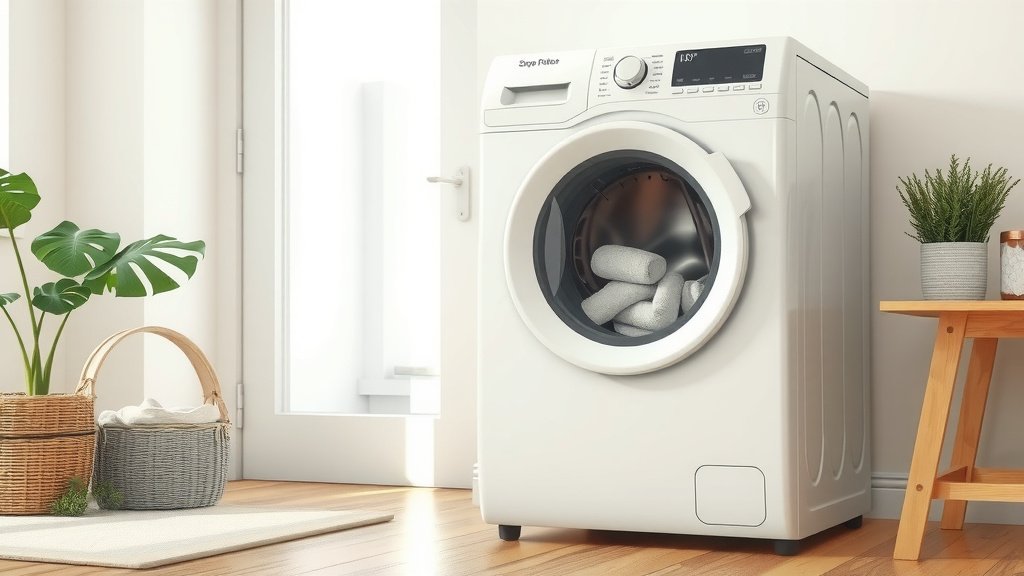
Once you have your super-sized washer, there are a few tips to keep in mind. Don’t overload it completely, even with the large capacity. Clothes need room to tumble and circulate for proper cleaning and rinsing. We found that leaving about a hand’s width of space at the top of the drum is a good rule of thumb. This ensures optimal performance and prevents unnecessary wear and tear.
Also, consider the detergent. You’ll likely need more than you used in a smaller machine. However, using too much can lead to residue. We found that high-efficiency (HE) detergents are recommended for front loaders. They produce fewer suds, which is better for the machine’s mechanics. Always follow the manufacturer’s guidelines for detergent amounts.
Maintenance for Longevity
To keep your large investment running smoothly, regular maintenance is essential. We found that cleaning the rubber door seal after each use can prevent mold and mildew. Running an empty hot water cycle with vinegar or a washing machine cleaner once a month helps keep the drum fresh. Don’t forget to clean the lint filter if your model has one accessible. These simple steps ensure your big washer stays clean and functional.
Sample Sizes to Expect (Approximate Capacities)
To help you visualize, here’s a general idea of what different capacities might look like. Remember, these are estimates, and actual load sizes can vary based on the type of items you wash.
| Capacity (Cubic Feet) | Typical Load Examples |
|---|---|
| 5.0 – 5.3 cu. ft. | 1 king-size comforter, 15-18 towels, or ~10-12 adult shirts and pants |
| 5.4 – 5.8 cu. ft. | 2 king-size comforters, 20+ towels, or ~15-18 adult shirts and pants |
| 5.9+ cu. ft. | Largest family loads, multiple bulky bedding sets, or large batches of uniforms |
Quick Checklist for Buying Your Big Front Loader
Before you decide, run through this quick checklist to make sure you’re getting the best machine for your needs:
- Confirm the cubic feet capacity meets your household size.
- Check for specialized wash cycles you’ll actually use.
- Look for high Energy Star ratings for efficiency.
- Read recent user reviews for durability insights.
- Verify the machine’s physical dimensions fit your space.
- Consider smart features if convenience is a priority.
Choosing a large capacity front loader is about more than just size; it’s about optimizing your laundry routine. By understanding the key features and what to look for, you can find a machine that handles even your biggest laundry challenges with ease.
Conclusion
You’re now equipped to find the biggest front loader washing machine that truly fits your needs. We’ve seen that capacities around 5.5 cubic feet and up can dramatically cut down your laundry time. Remember to balance that impressive size with smart features and efficiency ratings. Consider your specific laundry challenges, like bulky bedding or large family loads, when making your final choice. Your next step is to measure your space and start comparing specific models that align with your new understanding of large-capacity washing.
Frequently Asked Questions
Do the biggest front loaders actually clean better?
Larger capacity machines often have advanced drum designs and water jet systems. We’ve found these features can help ensure thorough cleaning even in massive loads. Proper loading is still key to getting the best results.
Will a huge front loader use more water and energy?
Not necessarily. Many large capacity front loaders are designed for efficiency and carry high Energy Star ratings. They can actually use less water and energy per pound of laundry than smaller or older machines by handling more at once.
What’s the largest cubic footage available in a front loader right now?
While 5.5 to 5.8 cubic feet is very common for large models, some manufacturers push beyond that. We’ve seen some units reaching 6 cubic feet or even a bit more, capable of handling exceptionally large or bulky items.
How do I know if my large front loader is truly overloaded?
Even with a huge drum, overcrowding hinders cleaning. We recommend leaving about a hand’s width of space at the top of the drum when it’s full. This allows clothes enough room to tumble and circulate effectively.
Are there special detergents needed for these large machines?
Front-loaders, especially large ones, generally require High-Efficiency (HE) detergents. These produce fewer suds, which is crucial for preventing excess buildup and protecting the machine’s internal components. Always check your machine’s manual for specific recommendations.
![7 Best Deals In Washing Machines [In 2026]](https://homeunderstandable.com/wp-content/uploads/2026/08/7-best-deals-in-washing-machines-in-2026-featured-768x432.jpg)
![7 Best Price On Stackable Washer Dryer [In 2026]](https://homeunderstandable.com/wp-content/uploads/2026/09/7-best-price-on-stackable-washer-dryer-in-2026-featured-768x432.jpg)
![7 Best Deal On Washing Machine [In 2026]](https://homeunderstandable.com/wp-content/uploads/2026/08/7-best-deal-on-washing-machine-in-2026-featured-768x432.jpg)