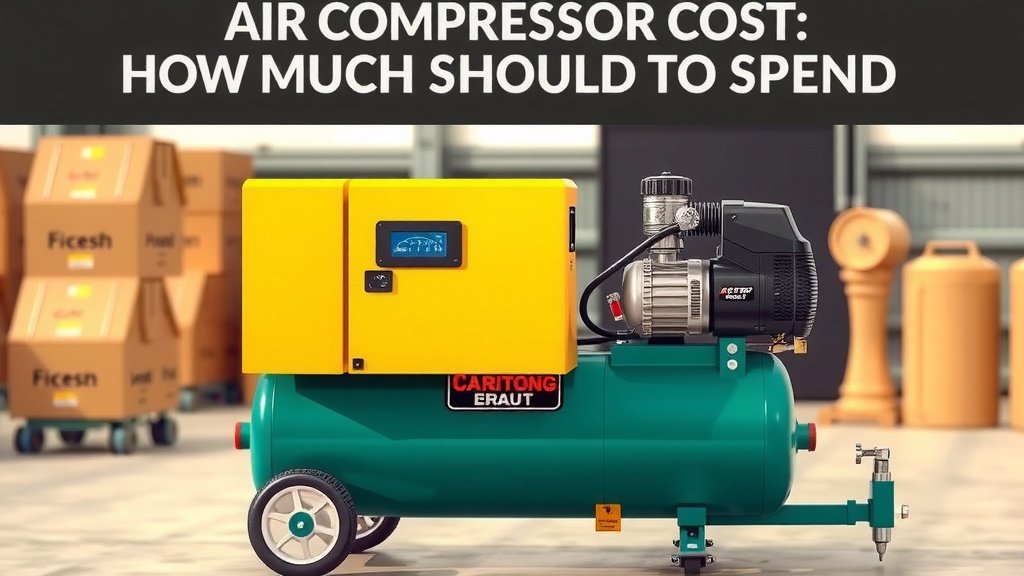
Air Compressor Cost: How Much Should You Spend
The cost of an air compressor can vary widely, but you can expect to pay anywhere from $100 for small portable units to over $1,000 for larger, industrial models. The specific price depends on factors like tank size, horsepower, and air delivery capability.
Understanding what you need an air compressor for is key to finding the right one without overspending. We found that even basic DIY projects can benefit from a modest compressor. However, powering multiple air tools simultaneously will require a more robust and expensive machine.
- Portable compressors for small tasks are budget-friendly.
- Larger compressors for workshops and professional use cost more.
- Horsepower and tank size directly impact price and performance.
- Consider your primary use case to avoid unnecessary expenses.
Let’s break down the different types of air compressors and their typical price ranges so you can make an informed decision.
Understanding Air Compressor Costs: What to Expect
So, you’re wondering, “How much does an air compressor cost?” It’s a great question because the price tag can swing wildly! We found that a decent air compressor can range from a couple of hundred dollars for a basic model to well over a thousand for something more powerful. Your budget really hinges on what you plan to do with it. Think of it like buying a car – a little sedan is great for commuting, but if you need to haul lumber, you’ll need a truck. Air compressors are similar; their price is tied directly to their capabilities.
The core factors driving the price are pretty straightforward. We’re talking about the size of the tank, the horsepower (HP) of the motor, and the CFM (Cubic Feet per Minute), which is how much air it can deliver. More of any of these usually means a higher cost. But don’t let the numbers scare you! We’ll break down exactly what these mean for your wallet and your projects.
Portable Air Compressors: Budget-Friendly Power
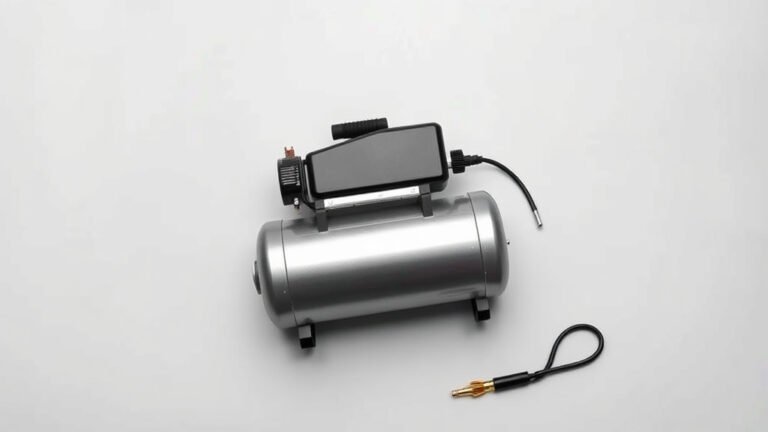
If you’re just starting out or need something for light-duty tasks around the house, a portable air compressor is likely your sweet spot. These are the smaller, lighter units that are easy to move around. We found many homeowners are happy with these for tasks like inflating tires, powering a nail gun for small projects, or blowing away dust and debris.
What to Expect from Small Portable Units
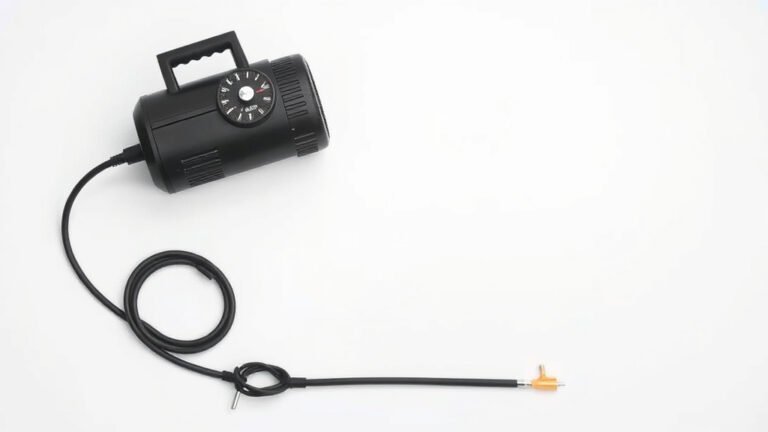
You can find these little workhorses for as little as $100 to $300. They typically have smaller tanks, often under 10 gallons, and lower horsepower motors. Their CFM ratings are usually modest, meaning they can handle one tool at a time without much fuss. We found these are perfect for occasional use and don’t take up a lot of space. If your needs are simple, this is a smart place to start.
Mid-Range Portables: A Step Up in Performance
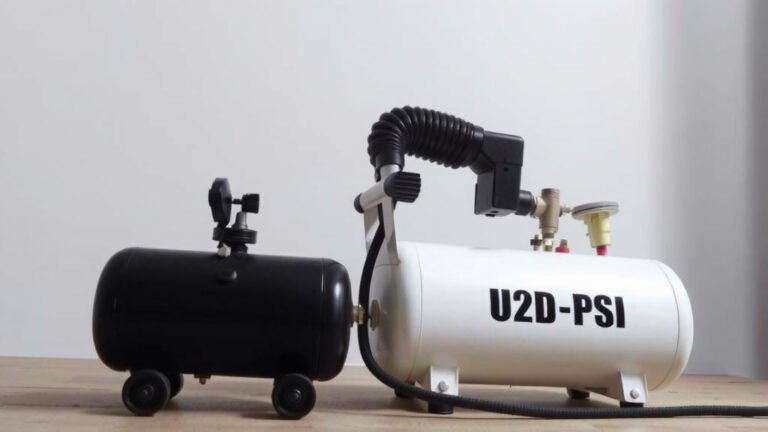
Stepping up slightly, you’ll find portable compressors in the $300 to $600 range. These often boast a bit more horsepower and slightly larger tanks, maybe in the 10-20 gallon range. They might offer a higher CFM, allowing them to keep up with slightly more demanding tools or run a tool for longer periods. We found that these are great for DIYers who tackle projects more frequently, like building furniture or doing some basic car maintenance.
Stationary Air Compressors: For Serious Work
When you move into stationary compressors, you’re entering the territory of more robust performance and higher price tags. These are designed for workshops, garages, and professional environments where they’ll be used more consistently and to power larger, more air-hungry tools.
The Two-Stage Workhorses
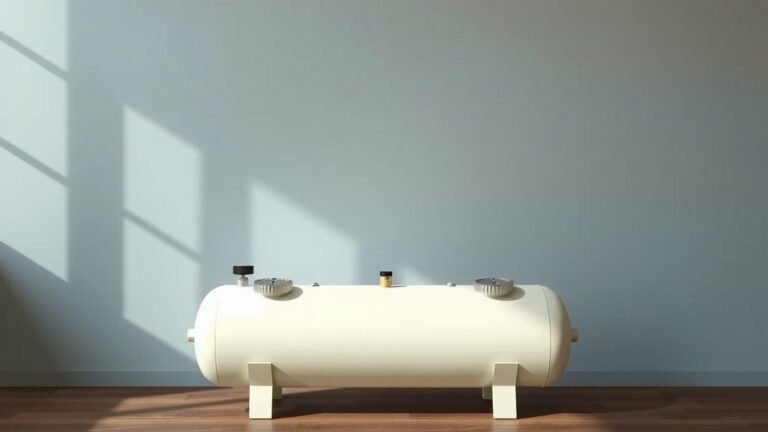
Stationary compressors often come with larger tanks, from 20 gallons up to 80 gallons or more. They also typically feature two-stage compression, meaning they compress the air twice, leading to higher pressure and more consistent output. We found that these models can easily run multiple air tools simultaneously, making them ideal for automotive shops or serious woodworking enthusiasts. Prices here can start around $500 and climb upwards of $1,500 or even more, depending on the size and power.
Considerations for Stationary Models
When looking at stationary units, remember they need a dedicated space and often require a more robust electrical setup (like a 240-volt outlet). We found that the upfront cost is higher, but the performance and longevity can be well worth it for professionals or very serious hobbyists. Think about how much continuous air you’ll need and what tools you’ll be powering.
Key Features That Affect Air Compressor Prices
Beyond the basic type, several specific features can significantly influence how much an air compressor will cost you. Understanding these will help you pinpoint where your money is going.
Tank Size: More Storage, Higher Cost
The tank is where the compressed air is stored. A larger tank means you have a buffer of air, so the compressor doesn’t have to run as often. For light tasks, a small tank is fine. If you’re using tools that consume a lot of air, like an impact wrench or a sander, a bigger tank is essential. We found that tanks typically range from 1 gallon to over 200 gallons. Naturally, a bigger tank adds to the overall price.
Horsepower (HP): The Muscle Behind the Air
Horsepower measures the motor’s strength. More HP generally means the compressor can fill its tank faster and maintain pressure under heavy load. For basic tasks, 1-2 HP might suffice. For powering multiple tools or demanding applications, you might need 5 HP or more. We found that higher horsepower units come with a higher price tag, but they also deliver more capability.
CFM Rating: Air Delivery Matters
CFM, or Cubic Feet per Minute, is arguably the most critical spec. It tells you how much air the compressor can deliver at a specific pressure (usually measured in PSI, or pounds per square inch). Each air tool has a CFM requirement. You need a compressor that meets or exceeds the highest CFM demand of any single tool you’ll use, or the combined CFM if running multiple tools. We found that a higher CFM rating almost always correlates with a higher price, especially as it increases significantly.
| Compressor Type | Typical Price Range | Best For | Key Features |
|---|---|---|---|
| Small Portable | $100 – $300 | Inflating tires, light DIY, dusting | Small tanks (under 10 gal), low HP (1-2 HP), lower CFM |
| Mid-Range Portable | $300 – $600 | Nail guns, moderate DIY, car maintenance | Medium tanks (10-20 gal), moderate HP (2-3 HP), moderate CFM |
| Stationary (Single Stage) | $400 – $1,000+ | Home garage, general workshop use | Larger tanks (20-60 gal), higher HP (3-5 HP), higher CFM |
| Stationary (Two Stage) | $500 – $1,500+ | Professional shops, heavy-duty use, multiple tools | Very large tanks (60+ gal), high HP (5+ HP), highest CFM |
Oil vs. Oil-Free: An Additional Cost Factor
You’ll also see compressors advertised as either oil-lubricated or oil-free. Oil-lubricated models tend to be quieter and last longer, but they require regular oil changes. We found these often have a higher initial purchase price. Oil-free models are typically lighter, require less maintenance, and are cheaper upfront. However, they can be noisier and may have a shorter lifespan. For occasional home use, oil-free is often a good balance. For heavy, daily use, oil-lubricated might be a better investment, despite the higher cost.
Making the Right Choice for Your Budget and Needs
So, how much is an air compressor *for you*? It really comes down to understanding your specific requirements. Don’t overbuy if you don’t need the power! We found that many people get caught up in higher specs and end up spending more than necessary.
Here’s a quick checklist to help you narrow it down:
- List the air tools you plan to use most often.
- Check the CFM requirement for each tool.
- Determine the highest CFM needed at once.
- Estimate how often and how long you’ll use the compressor.
- Consider your available space and power supply.
- Set a realistic budget based on these needs.
By thinking through these points, you can zero in on a compressor that delivers the performance you need without breaking the bank. We found that the best compressor is often the one that perfectly matches your tasks, not necessarily the most powerful or the cheapest.
Conclusion
Choosing the right air compressor means balancing your project needs with your budget. We’ve seen that costs can range from under $100 for basic portable units to well over $1,500 for powerful stationary models. Your key decisions involve tank size, horsepower, and CFM, all driven by what you plan to power. Don’t forget to consider if an oil or oil-free model fits your maintenance style and upfront cost preference. To make the best choice, list your tools, check their CFM needs, and then find a compressor that meets those demands without overspending. Your next step is to visit a local hardware store or reputable online retailer and compare models that fit your researched requirements.
Frequently Asked Questions
How much more does a larger air compressor tank cost?
Generally, larger air compressor tanks will increase the overall price of the unit. We found that tanks range from small 1-gallon models to very large 200+ gallon ones. The bigger the storage capacity you need, the more you should expect to invest in that specific compressor.
Is a 5 HP air compressor much more expensive than a 2 HP model?
Yes, a 5 HP air compressor will typically be considerably more expensive than a 2 HP model. Higher horsepower units offer more power for demanding tools and faster tank refills, which translates to a higher cost. We found that this jump in capability is usually reflected directly in the price tag.
Do oil-free air compressors save money in the long run?
Oil-free air compressors often have a lower upfront purchase price and require less maintenance than oil-lubricated models. However, we found they can be noisier and might have a shorter lifespan with heavy use. For lighter, occasional tasks, they can be more cost-effective overall.
Can I get a decent air compressor for under $200?
You can find basic portable air compressors for under $200, often for less than $150. We found these are usually small units with low horsepower and modest tank sizes, suitable for tasks like inflating tires or powering a small brad nailer. They won’t handle heavy-duty tools.
What’s the most expensive type of air compressor?
The most expensive air compressors are typically large, industrial-grade stationary models, especially those with two-stage compression and very high horsepower. These units are built for continuous, heavy-duty use in professional settings and can easily cost several thousand dollars.