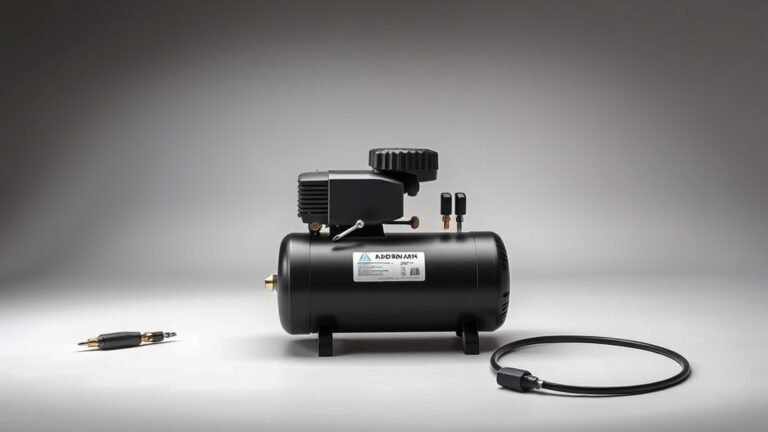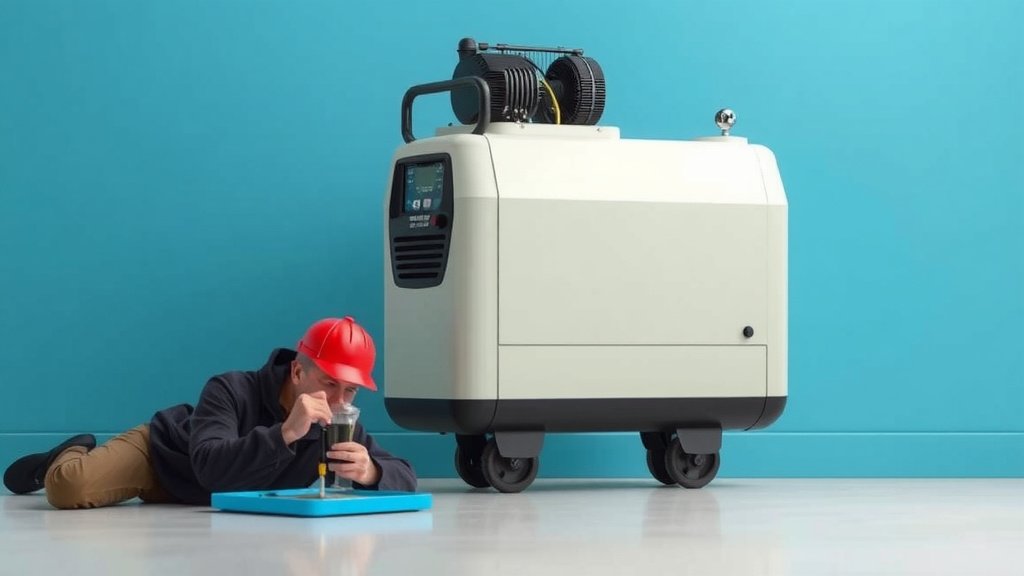
Plasma Cutter Air Compressor Size Guide
Choosing the right size air compressor for your plasma cutter is key. You need enough air volume (CFM) and pressure (PSI) to make clean, efficient cuts. For most hobbyist and light-duty plasma cutters, a compressor rated around 20-30 gallons and delivering at least 5-7 CFM at 90 PSI is usually a great starting point.
Getting this wrong means your plasma cutter won’t perform its best. Too little air, and you’ll get ragged cuts. Too much might be overkill and waste energy. We found that many users overlook this vital connection, leading to frustration. Your compressor’s specifications are just as important as your plasma cutter’s.
- Size matters for your plasma cutter’s air needs.
- Look for CFM (air volume) and PSI (air pressure).
- Most home users need a 20-30 gallon compressor.
- Aim for at least 5-7 CFM at 90 PSI.
- The right compressor ensures clean, smooth cuts.
Below, we’ll break down exactly what you need to know about air compressor sizes for your plasma cutter, so you can make the best choice for your projects.
Finding the Right Air Compressor Size for Your Plasma Cutter
Choosing the correct air compressor size is super important for your plasma cutter’s performance. You want it to deliver the right amount of air volume and pressure. This ensures clean, precise cuts every time. We’ve found that this is one area where people often struggle. Getting it wrong can lead to frustratingly ragged edges and wasted time.
Understanding Air Compressor Basics: CFM and PSI
Before we dive into sizes, let’s quickly touch on the two key specs: CFM and PSI. CFM stands for cubic feet per minute. It tells you how much air the compressor can deliver at a certain point in time. Think of it like the width of a hose – a wider hose delivers more water at once.
PSI stands for pounds per square inch. This measures the air pressure. It’s like the force of the water coming out of the hose. Your plasma cutter needs both enough volume and enough pressure to work properly. Too little of either, and your cuts won’t be clean.
CFM: The Volume Your Plasma Cutter Needs
Plasma cutters consume a consistent amount of air while they’re running. This is measured in CFM. Your plasma cutter’s manual will tell you its required CFM. This is often listed at a specific PSI, usually 90 PSI. Always aim for a compressor that exceeds this requirement. We found that having a bit of extra CFM can prevent the compressor from constantly running.
PSI: The Force Behind the Cut
PSI is also critical. Most plasma cutters operate in the 40-60 PSI range. However, your compressor needs to be able to deliver this pressure consistently. It also needs to handle the demands of the cutting process. Your compressor’s maximum PSI rating is important, but so is its ability to maintain the required PSI while delivering the necessary CFM.
How Much Air Does Your Plasma Cutter Really Need?
The amount of air your plasma cutter needs depends on its size and power. Smaller, hobbyist-level plasma cutters use less air than larger, industrial machines. It’s like comparing a small garden hose to a fire hose – they have very different demands.
Hobbyist and DIY Plasma Cutters
For most home workshops and DIY projects, you’re likely using a plasma cutter rated for 1/4-inch to 1/2-inch steel cutting. These machines typically require around 4-6 CFM at 90 PSI. Many experts suggest over-specifying slightly to ensure optimal performance. We found that aiming for at least 5-7 CFM at 90 PSI is a safe bet for these units.
Professional and Industrial Plasma Cutters
If you’re running a larger, professional-grade plasma cutter, your air requirements will be significantly higher. These machines can demand 10, 20, or even more CFM at 90 PSI. If you’re in this category, you’ll need a much larger, industrial-grade air compressor. Always check your specific machine’s manual for its exact air needs.
Compressor Tank Size: Why It Matters for Plasma Cutting
The tank size of your air compressor, measured in gallons, is also a crucial factor. It acts as a reservoir for compressed air. A larger tank means you have more air stored and ready to go.
The Role of the Air Tank
Think of the tank as your emergency air supply. When your plasma cutter suddenly needs a burst of air, the tank can provide it without the compressor having to ramp up immediately. This is especially important for plasma cutting, which can have fluctuating air demands during the cutting process.
Matching Tank Size to Your Work
For most hobbyist plasma cutters needing around 5-7 CFM, a tank size between 20 and 60 gallons is generally suitable. A 20-30 gallon tank can work for light, intermittent use. However, if you plan on doing longer cutting sessions or have more demanding projects, stepping up to a 40 or 60-gallon tank is often recommended. We found that a larger tank helps maintain consistent pressure and reduces wear on the compressor motor. It’s like having a bigger water jug so you don’t have to refill it as often.
Understanding Compressor Types: Reciprocating vs. Rotary Screw
There are two main types of air compressors: reciprocating (piston) and rotary screw. For most plasma cutting applications, especially in a home or small shop setting, a reciprocating compressor is perfectly adequate and more budget-friendly.
Reciprocating (Piston) Compressors
These are the most common type. They use pistons that move up and down in cylinders to compress air. They’re generally less expensive upfront and easy to maintain. Most shop-grade compressors fall into this category. Research and found that for CFM needs under 20-30, piston compressors are the standard choice.
Rotary Screw Compressors
Rotary screw compressors are more industrial. They use two rotating screws to compress air. They’re more efficient for continuous, high-volume air demands. However, they are significantly more expensive and often overkill for typical plasma cutter use. Many experts agree that unless you have very heavy, continuous air needs, a rotary screw isn’t necessary for plasma cutting.
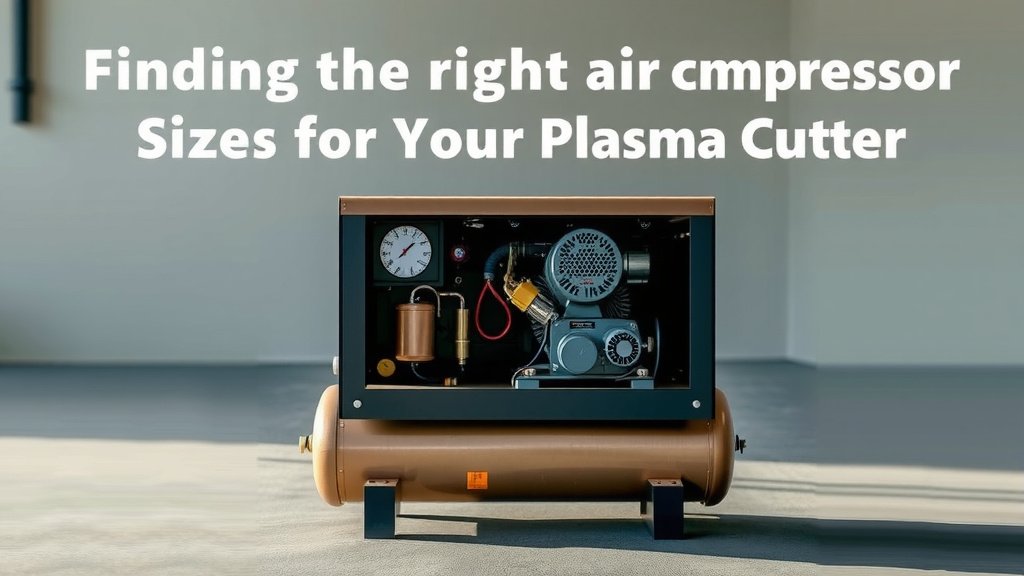
Making the Final Choice: Key Considerations
So, how do you put it all together? Consider your plasma cutter’s requirements first. Then, look at your own usage patterns. Do you cut for short bursts or long periods? Do you need the compressor for other tools too?
A good rule of thumb we found is to choose a compressor that delivers at least 1.5 times the CFM your plasma cutter requires at 90 PSI. This buffer ensures you have enough air and prevents the compressor from running constantly.
Here’s a quick checklist to help you decide:
- Check your plasma cutter’s manual for CFM and PSI needs.
- Add a buffer: Aim for 1.5x the required CFM.
- Consider your tank size needs based on cutting duration.
- Think about other tools you might power.
- Choose a reputable brand for reliability.
- Don’t forget air preparation (filters/dryers) for best results.
Conclusion
You’ve learned that picking the right air compressor for your plasma cutter is more than just matching numbers. It’s about ensuring clean cuts and a smooth workflow. Remember to always check your plasma cutter’s manual for its specific CFM and PSI needs. We’ve found that aiming for a compressor that offers at least 1.5 times the required CFM is a smart move. This buffer ensures your setup performs at its best, preventing frustration and wasted materials. Now that you know the essentials, you can confidently select a compressor that will power your projects for years to come.
Frequently Asked Questions
Will a small portable air compressor work for my plasma cutter?
A small portable compressor might struggle if it doesn’t meet your plasma cutter’s CFM requirements at 90 PSI. While convenient, these units are often designed for lighter tasks like inflating tires or running small brad nailers. For plasma cutting, you need consistent airflow to maintain the arc and eject molten metal effectively.
Can I use a higher CFM compressor than my plasma cutter needs?
Yes, using a compressor with a higher CFM than your plasma cutter requires is generally a good idea. This buffer ensures your compressor won’t struggle to keep up, allowing for longer cutting sessions and more consistent performance. We’ve found it also reduces wear on the compressor motor.
What happens if my air compressor’s PSI is too low for my plasma cutter?
If your compressor’s PSI is too low, your plasma cutter won’t be able to maintain a stable arc. This typically results in a weak, sputtering cut, ragged edges, and difficulty piercing thicker materials. You may also experience frequent interruptions as the cutter struggles to operate.
Do I need a special type of air filter for plasma cutting?
While a standard air filter is necessary to remove moisture and debris, plasma cutters can benefit from more advanced air preparation systems. A desiccant dryer or refrigerated dryer can remove nearly all moisture, which is vital for preventing issues like electrode damage and inconsistent cuts.
How often should I drain the air tank on my compressor for plasma cutting?
You should drain your air tank regularly, ideally after each use, and especially if you’re in a humid environment. Water condensation builds up inside the tank, and expelling this moisture is key to preventing rust and ensuring clean, dry air reaches your plasma cutter for optimal performance.