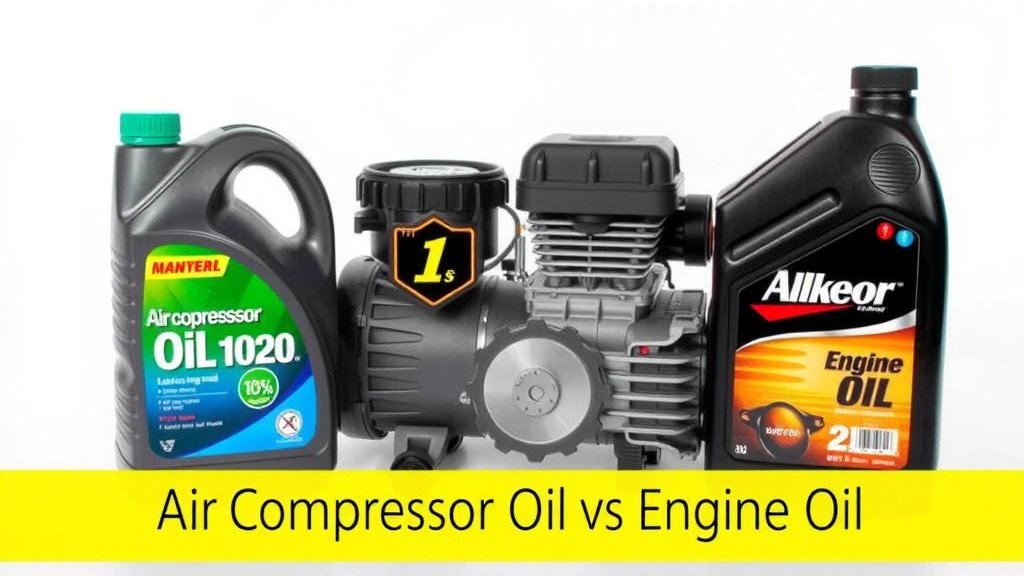
Air Compressor Oil vs Engine Oil: Which Do You Need
Can you use engine oil in an air compressor? The short answer is no, you generally should not. While both are oils, they have very different jobs and formulations. Using the wrong oil can cause serious damage to your air compressor and void its warranty. It’s best to stick to the oil specifically recommended by the manufacturer.
Engine oil is designed for the high heat and combustion found inside engines. Air compressor oil, on the other hand, is made for lower temperatures and the specific pressures within a compressor’s system. They look similar, but their internal chemistries are quite different. Using the wrong one is like putting diesel fuel in your car – it just won’t end well for your equipment.
- Air compressor oil and engine oil are not interchangeable.
- Engine oil is for engines; compressor oil is for compressors.
- Using the wrong oil can cause costly damage.
- Always check your owner’s manual for the correct oil type.
Let’s dive into why these oils are so different and what can happen if you mix them up. You’ll be a pro at choosing the right oil in no time!
Understanding Air Compressor Oil vs. Engine Oil Differences
You might be wondering if you can just grab that leftover engine oil from your last car oil change and put it into your air compressor. It seems like a simple solution, right? After all, both are oils, and they both lubricate. However, we found that they are formulated for very different tasks. Think of it like using dish soap to wash your car – it might get it wet, but it’s not designed for the job and could cause damage.
This is a common point of confusion for many DIYers and mechanics. Engine oil is built for the extreme conditions inside an engine. Air compressor oil is designed for the unique environment within an air compressor. Using the wrong one can lead to expensive repairs and a shorter lifespan for your equipment. Let’s break down exactly why they aren’t interchangeable.
The Unique Demands of an Air Compressor System
Air compressors work by compressing air. This process generates a lot of heat, but it’s a different kind of heat than what an engine experiences. Compressors operate at lower temperatures overall than internal combustion engines. They also deal with high pressures and can be exposed to moisture. These conditions require a specific type of lubricant.
Compressor oil needs to handle the constant friction of moving parts like pistons, screws, or vanes. It also needs to resist oxidation and foaming. The goal is to keep everything running smoothly without breaking down or causing excessive wear. Many manufacturers recommend specific ISO viscosity grades for their compressors, which is a standard way to measure oil thickness.
What Engine Oil Is Designed For
Engine oil, on the other hand, has a much tougher job. Inside an engine, it’s exposed to scorching temperatures from combustion, metal-to-metal contact under extreme pressure, and a cocktail of combustion byproducts. Engine oil has special additives to handle these harsh conditions.
These additives help prevent sludge buildup, fight corrosion, and keep engine components clean. Engine oil is designed to withstand temperatures that can easily exceed 500 degrees Fahrenheit. While it’s a fantastic lubricant for engines, those same additives can cause problems in an air compressor.
Key Differences in Oil Formulation and Purpose
The primary distinction between air compressor oil and engine oil lies in their formulation and intended application. They look similar, but their chemistry is vastly different. We found that this difference is critical for the health of your machinery.
Viscosity and Temperature Stability
While both oils have viscosity ratings, the optimal ranges differ. Air compressor oils are often formulated to maintain their viscosity across a wider temperature range relevant to compression. Engine oils are designed for the extreme peaks and valleys of engine temperature.
The ISO viscosity grade system is common for compressor oils. You’ll see numbers like ISO VG 32, 46, or 68. These numbers indicate how thick the oil is at a standard temperature. Engine oils use SAE (Society of Automotive Engineers) grades, like 5W-30 or 10W-40. While there can be overlap in numbers, the underlying performance characteristics are not the same.
Additives: The Crucial Distinction
This is where the biggest differences lie. Engine oils contain detergents, dispersants, and anti-wear agents tailored for combustion engines. These additives can be problematic in a compressor.
- Detergents: These are designed to clean engine parts. In a compressor, they can cause deposits to form on valves or seals, reducing efficiency and potentially causing leaks.
- Anti-wear agents: While both systems need wear protection, the types and concentrations differ. Some additives in engine oil might break down under compressor conditions or interact negatively with compressor materials.
- Foaming and Oxidation Resistance: Compressor oils are specifically formulated to resist foaming when agitated by the compressor’s moving parts. They also need superior oxidation resistance to prevent breakdown at elevated temperatures, which is different from engine heat.
We found research indicating that the detergents in engine oil can actually cause undesirable foaming in air compressors. This foam can carry less lubricant, leading to increased wear.
Synthetic vs. Mineral Oils
Both compressor and engine oils come in synthetic and mineral-based varieties. Synthetics generally offer better performance, especially at extreme temperatures, and have longer service lives.
However, even within synthetics, the base stock and additive package will be different. A synthetic air compressor oil is engineered for compressor duty cycles, while a synthetic engine oil is optimized for engines. You can’t simply substitute one for the other.
What Happens If You Use the Wrong Oil?
Putting engine oil in your air compressor might seem harmless at first. It might even work for a short period. But over time, you’re inviting trouble. We found that the consequences can range from minor performance issues to catastrophic failure.
Performance Degradation
One of the first signs might be reduced efficiency. The compressor might take longer to build pressure, or it might not reach its usual maximum pressure. You might also notice increased noise or vibration as the components aren’t lubricated optimally.
Increased Wear and Tear
Without the correct formulation, the oil can’t provide adequate protection. This leads to accelerated wear on critical parts like pistons, cylinders, seals, and bearings. Over time, this wear can cause permanent damage.
Overheating and Seal Failure
Engine oil additives can sometimes cause compressors to run hotter than they should. Seals are often made of specific materials that can be degraded by certain engine oil components. This can lead to leaks, loss of pressure, and ultimately, the need for costly replacements.
Deposit Formation and Coking
The detergents and other additives in engine oil can break down and form deposits. These deposits can clog air filters, reduce valve function, and even cause the compressor’s airend to seize up. This is often referred to as “coking” and is a serious issue.
Voided Warranty
Most manufacturers are very clear about the type of lubricant to use. If you use an oil that isn’t specified in your owner’s manual, your warranty could be voided. This means you’ll be responsible for the full cost of any repairs, even if they might have been covered otherwise.
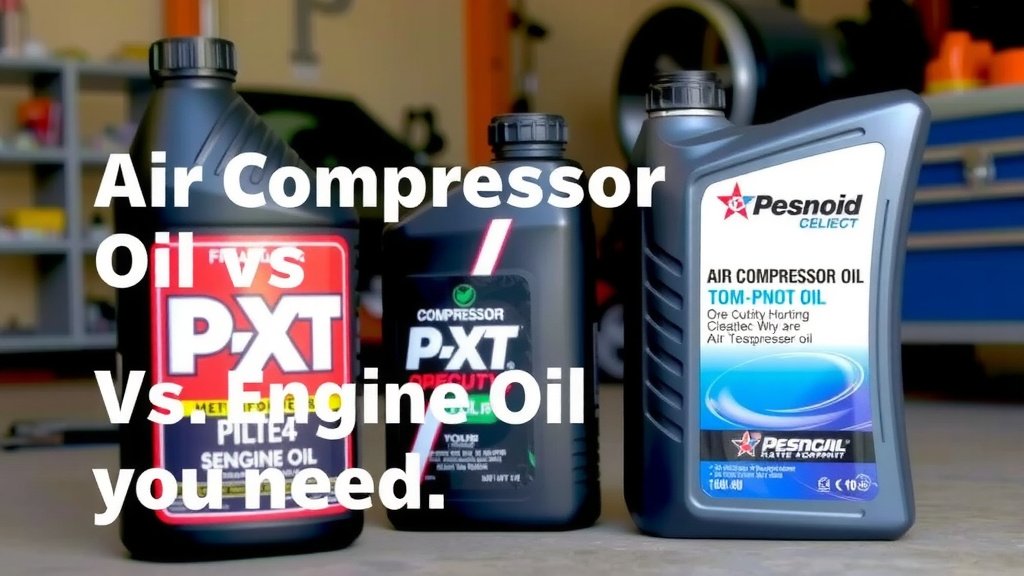
Choosing the Right Lubricant for Your Air Compressor
So, how do you make sure you’re using the right oil? It’s simpler than you might think. The best resource is always your air compressor’s owner’s manual. Manufacturers spend a lot of time testing and specifying the best lubricants for their machines.
Here’s a quick checklist to help you stay on track:
- Always consult your air compressor’s owner’s manual first.
- Look for the recommended ISO viscosity grade (e.g., ISO VG 46).
- Check if the manufacturer specifies a synthetic or mineral-based oil.
- Many brands offer “compressor oils” – ensure it’s specifically for air compressors, not just general machinery oil.
- When in doubt, contact the manufacturer’s support line or a trusted service technician.
We found that many users mistakenly believe that “all oil is the same.” This simply isn’t true when it comes to specialized equipment like air compressors. Using the correct oil is a small step that pays big dividends in longevity and performance.
Conclusion
You’ve learned that air compressor oil and engine oil are worlds apart, despite both being lubricants. Their different formulations are designed for totally separate operating environments. Engine oil is built for extreme heat and combustion, while compressor oil handles lower temperatures and high pressure. Using the wrong oil can lead to reduced performance, increased wear, and costly repairs. Protect your investment by always using the lubricant recommended in your owner’s manual. Your next step is simple: grab that manual and confirm you have the right oil for your air compressor.
Frequently Asked Questions
Can I use synthetic engine oil in my air compressor?
No, even synthetic engine oil is not suitable for an air compressor. Synthetic engine oil still contains additives designed for combustion engines that can cause issues in compressors. You need a synthetic oil specifically formulated and rated for air compressor use.
What happens if I use regular motor oil that isn’t synthetic in my compressor?
Using regular, non-synthetic motor oil in your air compressor is even more likely to cause problems. It lacks the specialized properties needed to handle compressor conditions and can lead to foaming, increased wear, and deposit buildup, potentially damaging components.
My compressor manual recommends an ISO VG grade. What does that mean?
The ISO VG (Viscosity Grade) number indicates the oil’s thickness at a standard temperature. For example, ISO VG 46 oil is thicker than ISO VG 32 oil. Your manual will specify the correct ISO VG grade your compressor needs for optimal lubrication and performance.
Is all “compressor oil” the same, or do I need a specific type?
Not all compressor oils are the same. You need oil specifically designated for “air compressors.” There are different types for reciprocating, rotary screw, and rotary vane compressors, each with unique requirements. Always check your manual for the precise recommendation.
How often should I change my air compressor oil?
The frequency of oil changes depends on your compressor’s model, its usage, and the type of oil you use. Generally, check your owner’s manual, but many recommend changes every 500 to 1,000 hours of operation or annually, whichever comes first.