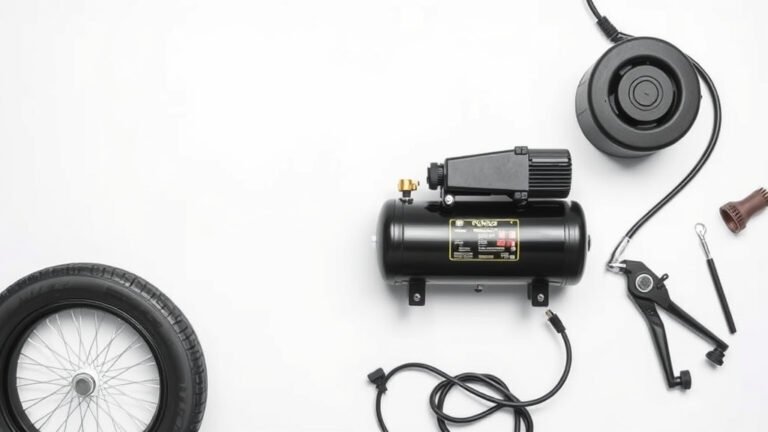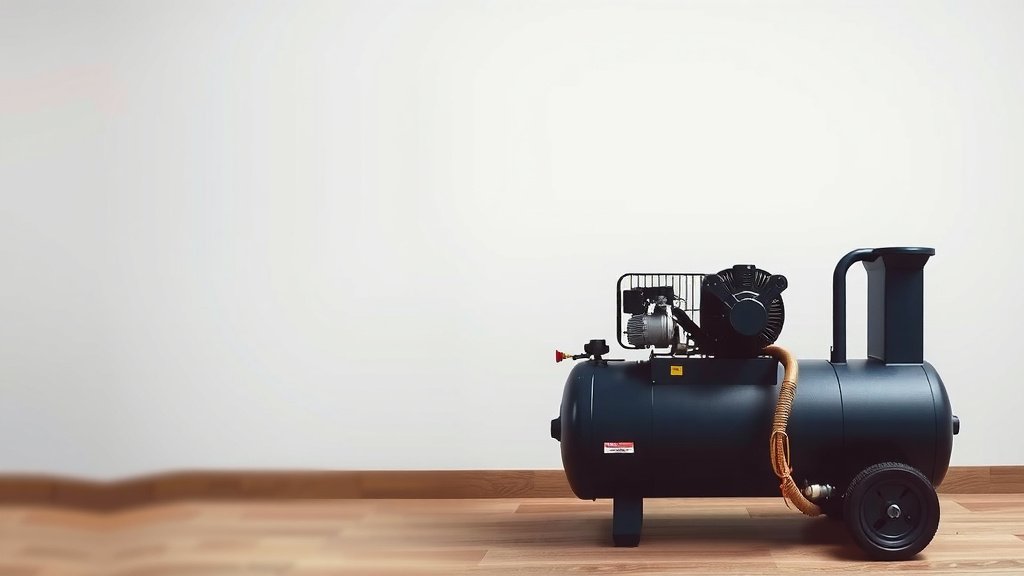
Signs Your Air Compressor Is Failing
You can tell if your air compressor is bad by looking for common signs like strange noises, leaking air, or if it’s simply not building pressure. These issues often mean it’s time to investigate further or consider a repair or replacement.
Many homeowners and DIYers encounter compressor problems. A failing air compressor can cause your tools to perform poorly or not work at all. We found that understanding these symptoms early can save you a lot of frustration and potential damage to your equipment.
- Listen for unusual noises like grinding or hissing.
- Check for constant air leaks, especially around fittings.
- Monitor if the compressor struggles to reach its set pressure.
- Notice if it runs longer than it used to without shutting off.
Let’s walk through the specific signs that point to a problem with your air compressor so you can get back to your projects quickly.
Troubleshooting Common Air Compressor Problems
Your air compressor is a workhorse, but like any machine, it can develop issues. Understanding the signs of a failing compressor helps you catch problems early. This guide will walk you through the most common indicators that your air compressor might be on its way out.
Unusual Noises: What’s That Sound?
Your compressor has a familiar hum. If that hum changes, pay attention. Strange noises are often the first sign something is wrong. They can indicate worn-out parts or a mechanical issue.
Grinding or Scraping Sounds
A grinding noise suggests metal-on-metal contact. This usually means bearings are worn out or there’s a problem with the pump assembly. It’s like the internal gears are unhappy. This can quickly lead to more serious damage.
Hissing or Sputtering
Hissing sounds typically point to an air leak. You might hear it from the tank, hoses, or fittings. Sputtering can mean moisture in the air line or a problem with the discharge valve. We’ve found that even small leaks can reduce performance.
Excessive Rattling
A bit of vibration is normal. But loud rattling? That’s not. It could be loose parts, a damaged fan, or an unstable motor mount. Make sure the compressor is on a stable surface.
Pressure Problems: Not Building or Losing It
The main job of an air compressor is to build and hold pressure. If it struggles with this, it’s a major red flag. We found that these issues can stem from several sources.
Failure to Reach Full Pressure
Does your compressor run and run but never quite hit its target PSI? This is a clear indicator of a problem. It could be a worn piston ring, a faulty check valve, or a significant air leak. Some users report this as the most frustrating symptom.
Pressure Drops While In Use
Even if it reaches pressure, does it quickly fall when you use your tools? This suggests it can’t keep up. Again, leaks are a prime suspect. A worn-out pump that can’t generate enough air fast enough is another possibility. We’ve seen this happen frequently with older units.
Frequent Cycling or Not Shutting Off
Compressors are designed to cycle on and off automatically. If yours seems to be running constantly, or cycles much more frequently than usual, it’s a sign of trouble. It could be working overtime to compensate for leaks or internal wear. Experts point out this constant running can overheat the motor.
Visible Signs of Wear and Tear
Sometimes, the problem isn’t what you hear, but what you see. Regular visual inspections can reveal issues before they become major.
Oil Leaks or Excessive Smoke
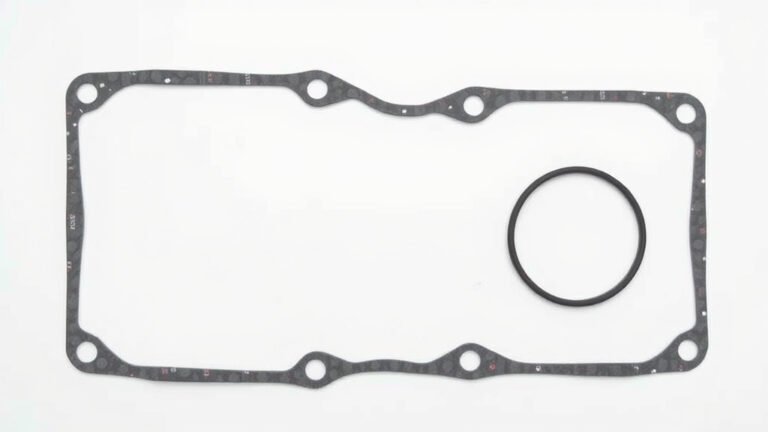
If your compressor is oil-lubricated, keep an eye on oil levels. Low oil can damage the pump. Leaks around seals or gaskets are also bad signs. Some models might expel white smoke if oil gets into the compression chamber. This is never a good sign and can damage internal parts.
Corrosion or Damage to the Tank
The air tank stores compressed air. Rust or significant corrosion inside or outside the tank can be dangerous. A compromised tank could fail under pressure. Always check the tank for any signs of damage or weakening. Many safety guidelines highlight tank integrity.
Performance Issues with Your Tools
Your air compressor’s performance directly impacts your tools. If your tools aren’t working right, the compressor is often the culprit.
Tools Lacking Power
Are your nail guns not sinking nails fully? Is your impact wrench not providing enough torque? This is a direct symptom of insufficient air pressure or volume. It means your compressor isn’t delivering the air your tools need.
Intermittent Airflow
Does the air blast from your tools cut out or surge unexpectedly? This can be caused by a compressor that is struggling to maintain consistent pressure. It might be due to an internal valve issue or a struggling motor.
When to Consider Repair or Replacement
Deciding whether to repair or replace your air compressor depends on the problem and the unit’s age. Minor fixes, like replacing a faulty switch or a small leak, might be worthwhile. However, if the pump is failing, the motor is damaged, or the tank is compromised, replacement is often the safer and more economical choice.
We found that many users consider the age of the compressor alongside repair costs. If your unit is more than 10 years old and requires major repairs, it’s often better to invest in a new, more efficient model.
Here’s a quick checklist to help you assess your compressor:
- Listen for grinding, hissing, or rattling noises.
- Check if the compressor reaches its set PSI.
- Inspect for any visible air leaks around fittings.
- Notice if the compressor runs constantly.
- Assess if your air tools are performing poorly.
- Look for oil leaks or unusual smoke.
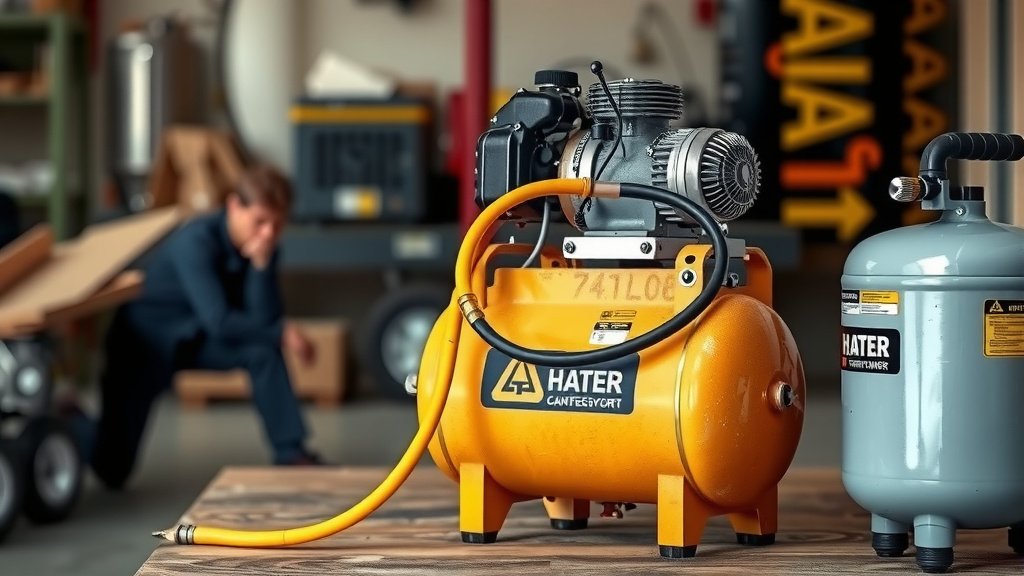
Conclusion
You now know the key signs that your air compressor might be failing. Strange noises, pressure loss, and poor tool performance are your biggest clues. Don’t ignore these symptoms, as they can lead to bigger problems or damage to your equipment. A quick visual check can often spot leaks or wear. Take the time to listen to your compressor and observe its behavior. If you suspect an issue, it’s time to assess if a repair is feasible or if a new, more reliable unit is needed for your projects.
Frequently Asked Questions
My air compressor makes a loud grinding noise. What could be wrong?
A grinding sound usually means there’s metal-on-metal contact inside. This often points to worn-out bearings or an issue with the pump assembly. You’ll likely need professional inspection or replacement of internal parts.
Why does my air compressor keep running and never shut off?
This constant running suggests the compressor is working too hard to maintain pressure. It could be due to significant air leaks, a faulty pressure switch, or internal wear in the pump. It’s a sign it’s struggling and may overheat.
Is it normal for my air compressor to lose pressure overnight?
No, it’s not normal. Losing pressure overnight typically indicates an air leak somewhere in the system. Check your tank, hoses, and all fittings for any escaping air.
What does it mean if my air compressor smells like burning oil?
A burning oil smell often means oil is getting into the compression chamber or that the motor is overheating. This is a serious sign that could damage internal components. You should stop using it and get it checked immediately.
How often should I check my air compressor for problems?
You should perform regular visual checks for leaks and listen for unusual noises before and after each use. Periodically check oil levels if your compressor is oil-lubricated. Consistent attention helps catch issues early.