Pancake Air Compressor Wattage Explained October 2026
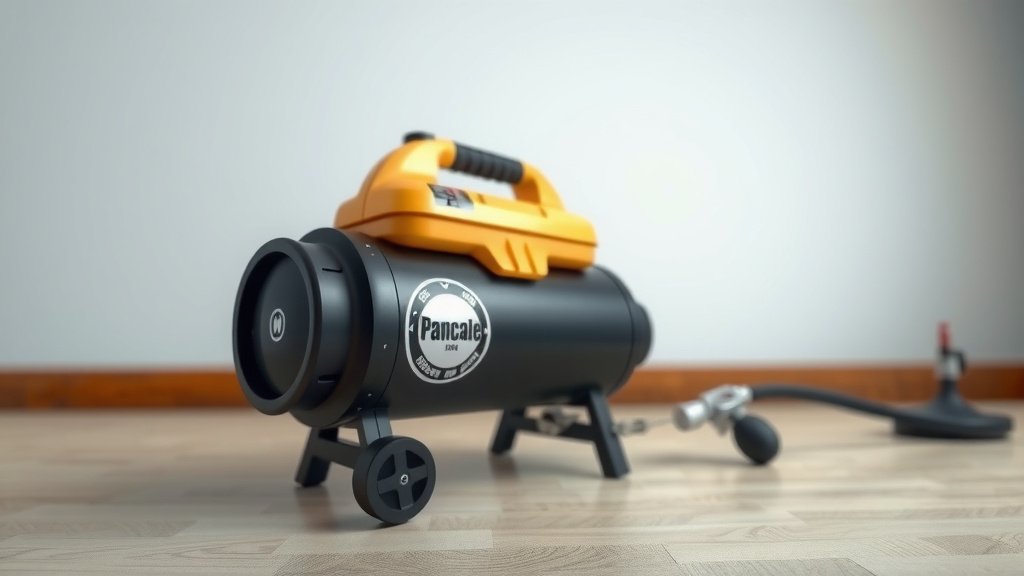
A pancake air compressor typically uses between 1.5 to 2 horsepower, which translates to roughly 1200 to 1500 watts. This range can vary slightly based on the specific model and its design, but it gives you a good idea of the power draw. Understanding these wattage needs helps you plan your power supply.
When you’re powering up your pancake air compressor, you’re dealing with a decent amount of electrical load. Knowing the average wattage helps you avoid tripping breakers. It’s more than a small appliance but less than some heavy-duty tools, making it a popular choice for DIYers. Many users find this power range perfectly suitable for common tasks.
- Pancake air compressors usually draw 1200-1500 watts.
- This is equivalent to about 1.5 to 2 horsepower.
- Wattage can differ slightly between models.
- Knowing the power needs helps with electrical planning.
Let’s break down the wattage for pancake air compressors and what you need to know to run yours smoothly.
How Much Power Does Your Pancake Compressor Need?
You’ve got your trusty pancake air compressor ready to go. Now, let’s talk about what it takes to get it humming. Understanding the wattage requirements is key to a smooth operation. It helps you pick the right circuit and avoid any unexpected shutdowns. Think of it like making sure your car has enough gas for your trip. You don’t want to run out halfway there!
Watts vs. Horsepower: What’s the Difference?
When you look at air compressors, you’ll often see two numbers: horsepower (HP) and watts (W). Horsepower is a measure of the motor’s power output. Watts measure the electrical power the compressor uses. They’re related, but not quite the same thing. A general rule of thumb is that 1 HP is roughly equal to 746 watts.
Pancake compressors are known for being relatively energy-efficient. Most models fall into the 1.5 to 2 HP range. This means they’re typically drawing between 1200 and 1500 watts when running. Some might creep a bit higher or lower, but this is your sweet spot. We found that this range is pretty consistent across most popular brands.
What Influences Your Compressor’s Power Use?
Several things can affect how many watts your pancake compressor actually uses at any given moment. It’s not always a fixed number. Think about it like driving: going uphill takes more gas than cruising on a flat road.
Motor Size and Efficiency
The size of the motor is the primary driver of wattage. A larger motor generally needs more power. But, efficiency plays a big role too. Newer compressors with high-efficiency motors might use fewer watts than older, less efficient ones, even if they have the same HP rating. We’ve seen manufacturers put a lot of effort into improving motor efficiency.
Duty Cycle and Usage Patterns
What are you using your compressor for? If you’re just topping off tires occasionally, your power draw will be minimal. But if you’re running a nail gun or spray painting for extended periods, the motor will run more often. This means a higher overall energy consumption. The duty cycle of a compressor tells you how long it can run before needing a break. A higher duty cycle often means a more robust motor that might draw more power when active.
Compressor Type and Design
While we’re focusing on pancake compressors, even within this category, there are variations. Some are designed for portability and lighter tasks, while others are a bit more robust. These design differences can lead to slight variations in their power consumption. A single-stage compressor, common for pancake models, works differently than a two-stage one, affecting its energy use.
Matching Your Compressor to Your Power Source
Knowing your compressor’s wattage is super important for your home’s electrical system. You don’t want to overload a circuit and trip a breaker. That’s an annoying interruption to your project!
What Your Standard Outlet Can Handle
Most homes have standard 120-volt outlets. These are typically connected to circuits that are rated for 15 or 20 amps. Here’s how that translates to wattage:
- A 15-amp circuit can safely handle about 1800 watts (15 amps x 120 volts).
- A 20-amp circuit can handle around 2400 watts (20 amps x 120 volts).
So, your 1200-1500 watt pancake compressor should run just fine on a standard 15-amp circuit, especially if it’s the only major appliance drawing power from that circuit. However, it’s always a good idea to check your circuit breaker. Many experts recommend not maxing out a circuit. Running your compressor at 80% of the circuit’s capacity is a safer bet. This gives you some wiggle room.
The Role of Extension Cords
If you need an extension cord, choose wisely! Using an undersized cord can restrict power flow and even cause your compressor to overheat. Look for a heavy-duty cord with a lower gauge number (meaning thicker wire). A 12-gauge cord is generally recommended for compressors. Also, shorter cords are better than long ones. The longer the cord, the more resistance it adds.
Wattage in Action: What to Expect
Let’s look at how different uses might impact your compressor’s power draw. It’s not just about the motor; the tool you’re powering matters too!
Inflating Tires and Sports Equipment
This is probably the most common use for a pancake compressor. Inflating tires, basketballs, or pool toys is a light-duty task. The compressor motor will likely run for short bursts. You probably won’t even notice a significant power draw. This is where their efficiency really shines.
Running Nailers and Staplers
When you connect a pneumatic nailer or stapler, your compressor will work a bit harder. It needs to keep up with the demand for air to drive those fasteners. For most DIY projects with brad nailers or finish nailers, your pancake compressor is perfectly suited. You might notice the motor running more frequently than during simple inflation.
Airbrushing and Light Spray Painting
For airbrushing or very light spray painting jobs, your compressor will be engaged for longer periods. The continuous air demand means the motor will run more consistently. We found that some users might need to let their compressor take a short break during extended painting sessions to prevent overheating. This is where understanding the duty cycle is important.
Tips for Efficient Compressor Use
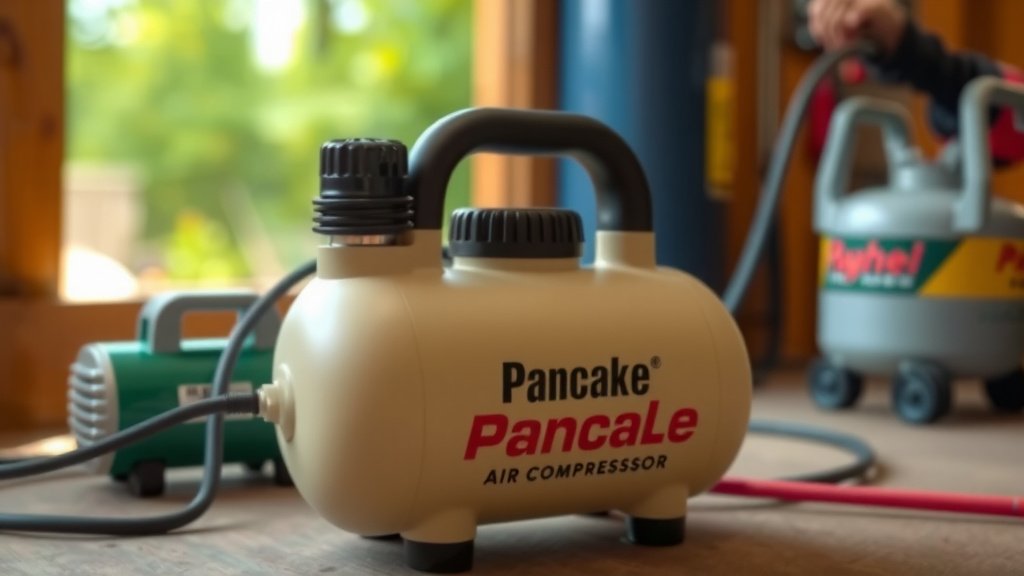
You want your pancake compressor to perform its best without burning unnecessary electricity. Here are a few things you can do:
- Regular Maintenance: Keep your compressor clean and well-maintained. A clogged air filter can make the motor work harder.
- Check for Leaks: Air leaks are like tiny energy vampires. Fix any leaks in hoses or fittings promptly.
- Use the Right Tool: Don’t use your compressor for tasks that require a much larger unit. Stick to jobs suitable for its power.
- Proper Storage: Store your compressor in a cool, dry place. Extreme temperatures can affect its performance.
- Connect Directly: Whenever possible, plug directly into the wall outlet. Avoid using long or undersized extension cords.
- Listen to Your Tool: If your compressor sounds strained or is running much longer than usual, it might be time for a break or a check-up.
Recap: What to Remember About Wattage
When it comes to your pancake air compressor, you’re generally looking at a power draw of around 1200 to 1500 watts. This makes them quite manageable for typical home use and most DIY projects. They offer a great balance of power and portability without demanding an industrial-level electrical setup.
Just remember to consider the load on your home’s circuits, especially if you’re using extension cords. Matching your compressor’s needs to your available power will ensure smooth operation and help you get your projects done without a hitch. It’s all about planning ahead!
Conclusion
You’ve learned that your pancake air compressor typically uses between 1200 and 1500 watts, making it a practical choice for home use. This power range balances capability with manageable electrical demands. By understanding factors like motor efficiency and your specific tasks, you can ensure your compressor runs smoothly. Always check your home’s electrical capacity and use appropriate cords. Now, you’re well-equipped to power your projects confidently, so go ahead and get that work done!
Frequently Asked Questions
Can I run my pancake air compressor on a standard 15-amp outlet?
Yes, generally you can. A typical 15-amp, 120-volt household circuit can handle about 1800 watts. Since most pancake compressors draw between 1200 and 1500 watts, you should be within the safe limits, especially if you’re not running other high-draw appliances on the same circuit.
Do I need a special electrical outlet for a pancake air compressor?
No, usually not. Pancake air compressors are designed to run on standard 120-volt household outlets. You don’t need a special 240-volt outlet unless you have a very rare, high-horsepower model, which isn’t typical for pancake designs.
Will using a long extension cord affect my compressor’s wattage usage?
A long extension cord can affect performance by increasing electrical resistance, which might make your compressor work harder. While it doesn’t directly increase the wattage *drawn*, it can lead to voltage drop, potentially reducing the compressor’s efficiency and lifespan. It’s best to use the shortest, heaviest-gauge cord possible.
How does the tool I connect affect the compressor’s wattage draw?
The tool you connect, like a nail gun or sander, dictates how often and how hard your compressor’s motor needs to work to maintain air pressure. Tasks requiring a constant air supply will make the motor run more frequently, increasing overall energy consumption compared to short bursts of air for tire inflation.
What’s the difference between a compressor’s horsepower and its wattage?
Horsepower (HP) measures the motor’s mechanical output, while watts (W) measure the electrical power it consumes. A general conversion is about 746 watts per horsepower. The wattage tells you the actual electrical load on your circuit, which is what you need to consider for your home’s wiring.