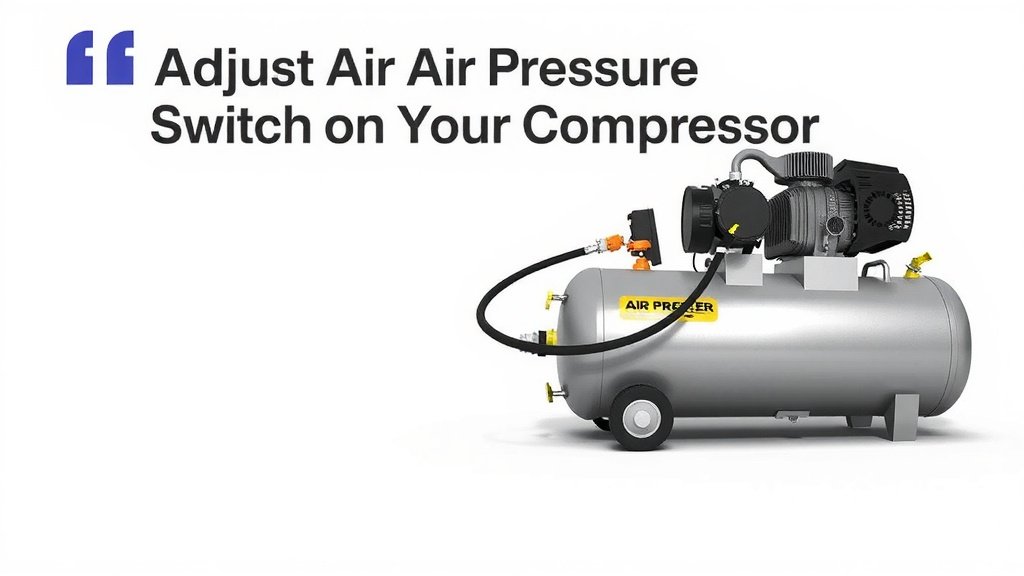
Adjust Air Pressure Switch on Your Compressor: A Guide
Adjusting your air compressor’s pressure switch is a straightforward process. You can typically adjust the cut-in and cut-out pressures by tightening or loosening the spring on the switch itself, which controls when your compressor turns on and off. Always make adjustments in small increments and test the pressure afterward.
This switch is a vital safety and efficiency component. Getting it set just right ensures your tools get the air they need without overworking the motor. We’ve found that many users can confidently tackle this adjustment with a few basic tools and this guide.
- Understand the purpose of the pressure switch.
- Locate and identify the adjustment points.
- Safely adjust the spring for desired pressure settings.
- Test and confirm the new pressure levels.
- Know when to call a professional.
Let’s walk through exactly how to adjust your air compressor’s pressure switch step by step, so you can get back to your projects with confidence.
Tuning Your Air Compressor’s Pressure Settings
Adjusting your air compressor’s pressure switch is a skill that can save you time and prevent frustration. It’s like tuning a musical instrument – when it’s right, everything sounds better. This adjustment ensures your compressor kicks on and off at the pressures you need. We’ve found that many users can confidently manage this task with the right guidance.
Understanding the Pressure Switch’s Role
Think of the pressure switch as the brain of your air compressor. It monitors the air pressure in the tank. When the pressure drops too low, it tells the motor to turn on and build more air. When the pressure reaches the set high point, it tells the motor to shut off. This cycle keeps your tank full of air. Without it, your compressor would either run non-stop or never start.
Why Adjusting is Sometimes Necessary
You might need to adjust the switch for a few reasons. Maybe your tools require a slightly different pressure than the factory setting. Perhaps the original settings aren’t performing optimally. Research indicates that using air tools at their recommended pressure can extend their lifespan and improve performance. Getting this just right means your tools work better and your compressor doesn’t have to work harder than it needs to.
Safety First: What You Need
Before you start, safety is your top priority. Always disconnect the power to the compressor. You don’t want any unexpected startups while your hands are near the switch. You’ll need a few basic tools:
- Screwdrivers (Phillips and flathead, usually)
- Adjustable wrench or pliers
- Safety glasses (essential!)
- A reliable pressure gauge (your compressor’s built-in one might not be precise enough for adjustments)
We also recommend having a way to drain the air tank completely before you begin. This ensures you’re starting from a known, safe state. Many experts advise checking your compressor’s manual for model-specific instructions, as designs can vary.
Locating and Identifying Your Pressure Switch
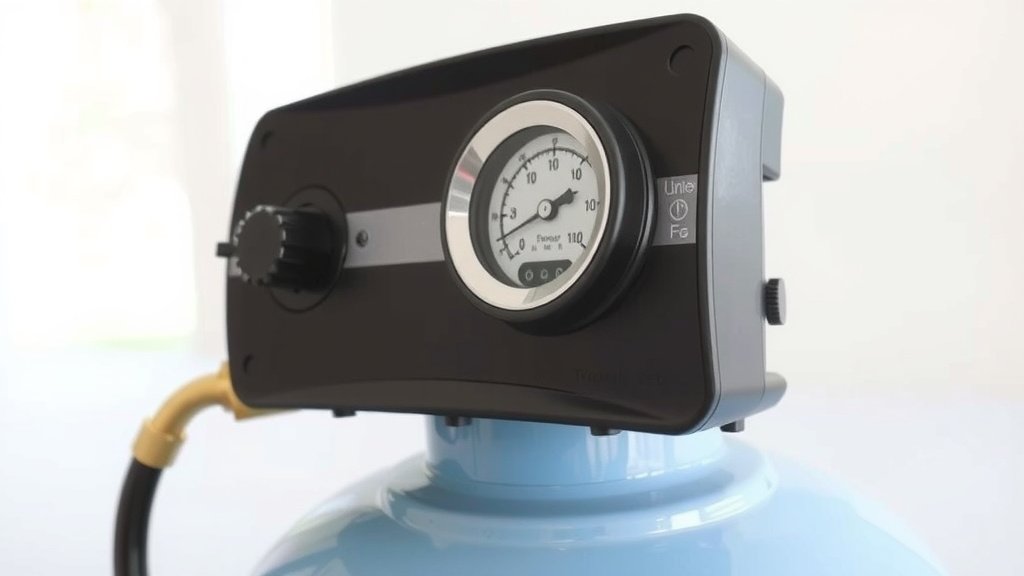
The pressure switch is usually mounted near the air tank. It often looks like a small black box with a lever or button on it. You’ll typically see a few wires going into it and possibly a metal conduit. Most switches have a large bolt or screw in the center, and sometimes a smaller screw or nut nearby. These are your adjustment points.
The Adjustment Mechanism: Springs and Bolts
The most common type of pressure switch uses springs to control the cut-in and cut-out pressures. There’s usually a larger spring and a smaller spring. The larger spring controls the pressure differential – the difference between when the compressor turns on and when it turns off. The smaller spring, if present, often adjusts the overall cut-out pressure point.
Understanding Cut-In and Cut-Out Pressure
Let’s clarify what these terms mean. The cut-in pressure is the point at which the compressor starts. The cut-out pressure is the point at which it stops. For example, a common setting might be 95 PSI cut-in and 125 PSI cut-out. This means the compressor turns on when the pressure drops to 95 PSI and turns off when it reaches 125 PSI. The difference, 30 PSI in this case, is the differential. A 1/4 inch hose can work, but it often limits your compressor’s power.
How to Adjust the Settings (The Actual Process!)
With the power off and the tank drained, you’re ready to make adjustments. Remember, small turns make a big difference. You’re not going to crank on these bolts like you’re assembling furniture.
- Locate the adjustment screws. As we mentioned, there’s usually a large central bolt and sometimes a smaller one.
- Adjusting the cut-out pressure. To raise the cut-out pressure (make it stop at a higher PSI), you’ll typically tighten the large central bolt. To lower it, you’ll loosen it. Turn the bolt just a quarter or half turn at a time.
- Adjusting the differential. The differential is often adjusted by the smaller screw or nut. Tightening this usually increases the differential (making the cut-on pressure lower relative to the cut-out). Loosening it decreases the differential. Again, make small adjustments.
Many guides suggest adjusting one setting at a time. This helps you isolate what change affects what pressure. We found that this approach prevents confusion later on. Think of it like a recipe: add one ingredient at a time to see how it changes the flavor.
Testing Your New Pressure Settings
After making your adjustments, it’s time to test.
- Reconnect power. Make sure everything is clear and safe.
- Turn on the compressor. Listen to it start up.
- Monitor the pressure gauge. Watch it climb. Note the PSI when the compressor shuts off (this is your cut-out pressure).
- Use some air. Open a valve or tool to let air out. Watch the pressure gauge again. Note the PSI when the compressor kicks back on (this is your cut-in pressure).
Compare these numbers to your desired settings. If they’re not quite right, repeat the adjustment process. Remember to make small, incremental changes. It might take a few tries to get it perfect. Most experts agree that a 20-30 PSI differential is typical and effective for many applications (Cleveland Clinic).
Common Scenarios and Troubleshooting
What if your compressor doesn’t start? Or it never seems to shut off? These could be signs of an improperly adjusted switch or a more serious issue. If you’ve made adjustments and the compressor still isn’t behaving correctly, double-check your work. Ensure the switch is receiving power. If the problem persists, it might be time to consider if the switch itself is faulty. We’ve seen cases where a worn-out switch needs replacement rather than adjustment.
When to Seek Professional Help
While adjusting your pressure switch is often manageable, there are times when calling a professional is the best course of action. If you’re uncomfortable with electrical components, or if you’ve tried adjustments and the problem persists, it’s wise to get expert help. Sometimes, the issue might be with the motor, a leak in the tank, or the unloader valve, not the pressure switch itself. A qualified technician can diagnose these complex issues safely and effectively.
A Quick Checklist Before You Start
Before you dive in, let’s make sure you’re ready:
- Have you disconnected power?
- Do you have safety glasses?
- Is your pressure gauge accessible and accurate?
- Have you consulted your compressor’s manual?
- Are you prepared to make small, careful adjustments?
- Do you know when to stop and call for help?
Conclusion
You’ve now learned how to adjust your air compressor’s pressure switch, a task that can significantly improve its performance and longevity. By understanding the cut-in and cut-out pressures and making small, careful adjustments to the springs, you can ensure your compressor operates at optimal levels for your specific needs. Remember, safety always comes first – disconnect power and wear safety glasses. If you ever feel uncertain or if the issue persists after your adjustments, don’t hesitate to call a professional. Now, go ahead and fine-tune your compressor to get the most out of your tools!
Frequently Asked Questions
How do I know if my air compressor pressure switch needs adjusting?
You might need to adjust your pressure switch if your tools aren’t performing as expected, or if your compressor cycles on and off too frequently or not frequently enough. If the pressure gauge shows readings outside your desired range, it’s a good sign adjustments are needed.
Can I adjust the pressure switch without draining the tank?
While it might seem convenient, it’s strongly recommended to drain the air tank completely before making adjustments. This ensures you’re working with a known, safe starting point and can accurately test your new settings without residual pressure affecting the readings.
What’s the difference between the large and small adjustment screws on the pressure switch?
Typically, the larger central screw adjusts the overall cut-out pressure (when the compressor shuts off), while a smaller screw or nut often modifies the pressure differential – the difference between when it turns on and when it turns off. Small turns are key for both.
My compressor is still not shutting off after adjusting the switch. What should I do?
If your compressor continues to run non-stop after adjustments, double-check that you’ve made the correct adjustments to raise the cut-out pressure. Ensure the switch is receiving power. If the problem continues, the pressure switch itself might be faulty and require replacement, or there could be another issue within the compressor system.
Is it normal for the cut-in and cut-out pressures to be far apart?
A typical pressure differential is usually between 20-30 PSI. If your cut-in and cut-out pressures are much further apart than that after adjustments, you might have too wide a differential. This can lead to inconsistent air pressure for your tools. You’ll want to adjust the smaller screw to bring these pressures closer together.