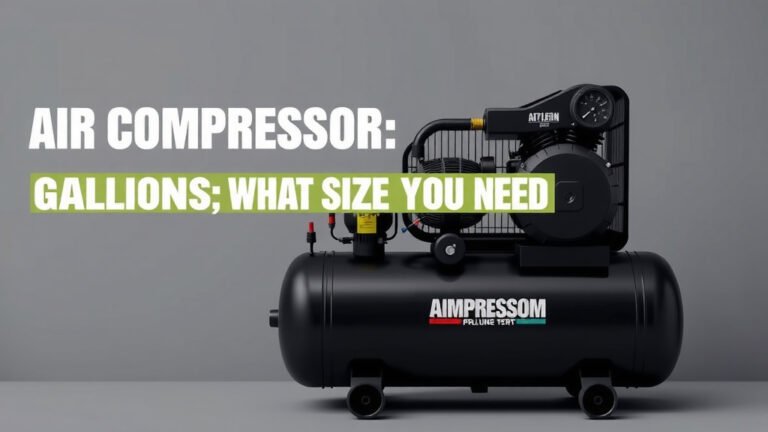
Fix Your Air Compressor Pressure Switch: A Step-by-Step Guide
Fixing your air compressor’s pressure switch is often a straightforward DIY task. You can usually resolve common issues by checking the electrical connections, resetting the overload protector, or replacing a faulty switch. A properly functioning switch ensures your compressor reaches and maintains the correct pressure.
Your air compressor uses this switch to control its operation. It tells the motor when to turn on and off based on the tank’s air pressure. When the switch acts up, your compressor might fail to build pressure or short cycle. We found that many common problems stem from simple mechanical or electrical issues.
- Check electrical connections first.
- Look for an overload reset button.
- Understand how a pressure switch works.
- Know when to replace the switch.
- Safety first: always unplug the compressor.
Let’s walk through exactly how to tackle a malfunctioning air compressor pressure switch, step by step, so you can get back to your projects.
Troubleshooting Your Air Compressor’s Pressure Switch
Is your air compressor acting up? It might be the pressure switch. This little guy is the brain of your compressor. It tells the motor when to start and when to stop. We found that many common problems are surprisingly simple to fix. You can often get your compressor running smoothly again with a few basic checks.
Understanding How the Pressure Switch Works
Before we dive into fixes, let’s quickly understand what this switch does. Think of it like a thermostat for your air tank. When the air pressure in the tank drops below a certain point, the switch activates the motor to build pressure. Once the pressure reaches the upper limit, the switch cuts power to the motor. This on-off cycle keeps your tank at the right pressure for your tools.
The Role of Cut-In and Cut-Out Settings
Every pressure switch has two main settings: the cut-in pressure and the cut-out pressure. The cut-in pressure is the point where the compressor turns on. The cut-out pressure is when it turns off. These are usually set at the factory, but sometimes they can get out of whack. We found that the difference between these two settings is called the differential. A wider differential means the compressor runs for longer periods. If you suspect your switch settings are off, our guide on how to adjust cut-out pressure on an air compressor can help.
Common Pressure Switch Problems
What goes wrong? Often, it’s an electrical issue. Loose wires are a frequent culprit. Sometimes, dirt or debris can interfere with the switch’s operation. In rarer cases, the switch itself might be worn out and need replacement. We also found that the overload protector can trip, which might seem like a pressure switch problem at first glance.
Safety First: Preparing for the Fix
Working with any electrical appliance, especially one that deals with compressed air, requires caution. Your personal safety is our top priority. Before you touch anything, make sure the compressor is completely powered down.
Disconnecting Power is Key
The first and most critical step is to unplug the compressor from the electrical outlet. Do not rely on just turning off the switch on the compressor itself. A complete power disconnection is essential. We found that many DIYers overlook this, and it can lead to nasty shocks or injuries.
Releasing Stored Pressure
Once unplugged, you’ll want to release any stored air pressure in the tank. Open the drain valve at the bottom of the tank. This will let out any residual air. Working with an empty tank is much safer. This simple step is often overlooked but is vital for your safety.
Step-by-Step Guide to Fixing the Pressure Switch
Now that you’re safe, let’s get to the actual fixes. We’ll start with the easiest things to check and move towards more involved solutions. You might be surprised how many issues can be resolved with these steps.
Check the Electrical Connections
This is often the simplest fix. Open up the cover of the pressure switch. You’ll see where the wires connect. Look for any wires that are loose, corroded, or broken. Gently wiggle them to ensure they are securely attached. If you see corrosion, you can clean it with a wire brush or contact cleaner. We found that firm connections are crucial for the switch to function correctly.
Locate and Reset the Overload Protector
Many air compressors have an overload protector. This is a safety feature that shuts off the motor if it overheats. It can sometimes be mistaken for a pressure switch failure. Look for a small button, often red, on or near the motor. If it’s popped out, gently push it back in. If it trips frequently, there might be a deeper issue, but resetting it can sometimes solve your problem.
Inspect the Pressure Switch Diaphragm and Lever
The pressure switch works by a diaphragm and a lever system. Air pressure pushes on a diaphragm, which in turn moves a lever. This lever opens or closes electrical contacts. Look for any obvious signs of damage or obstructions around the diaphragm and lever. Sometimes, a bit of dust or grime can prevent the lever from moving freely. A gentle cleaning might be all that’s needed.
Testing the Pressure Switch (If Comfortable)
If you’re comfortable with basic electrical testing, you can check the switch’s continuity. You’ll need a multimeter. With the power off and air released, disconnect the wires from the switch. Set your multimeter to continuity mode. Test the switch in both the ‘off’ (high pressure) and ‘on’ (low pressure) states. If the switch doesn’t show continuity when it should, it’s likely faulty. Many guides suggest this step for advanced users.
When to Consider Replacing the Pressure Switch
Sometimes, no amount of tweaking or cleaning will fix the problem. If you’ve gone through the checks and your compressor still isn’t working right, it’s probably time for a new switch. We found that a worn-out diaphragm or internal electrical failure means the switch needs replacement.
Signs That Indicate Replacement is Needed
Here are a few tell-tale signs that your pressure switch is beyond repair:
- The compressor short cycles (turns on and off very frequently).
- The compressor runs continuously and doesn’t shut off.
- The compressor fails to build pressure at all, even when the switch seems to be trying to engage.
- You hear clicking sounds from the switch but no motor action.
Choosing and Installing a New Pressure Switch
When you need to replace the switch, make sure you get the correct one for your compressor model. Check the PSI settings (cut-in and cut-out) and the type of electrical connections. Installation is usually the reverse of removal. Connect the wires securely and ensure the new switch is mounted properly. We found that taking a picture before disconnecting wires can be a lifesaver!
Quick Checklist for Pressure Switch Issues
Need a quick rundown? Here’s a handy checklist:
- Unplug the compressor and release air pressure.
- Check for loose or damaged electrical connections.
- Look for and reset the overload protector button.
- Inspect the diaphragm and lever for dirt or damage.
- Test continuity with a multimeter if you’re comfortable.
- If all else fails, replace the pressure switch.
Conclusion
You’ve now learned the essential steps to troubleshoot and fix your air compressor’s pressure switch. Most issues stem from simple electrical connections or a tripped overload protector. By following these safety precautions and diagnostic steps, you can often resolve problems yourself. Remember to always disconnect power before working on your compressor. If these checks don’t solve it, replacing the switch is likely your next move to ensure your compressor functions correctly and efficiently. Keep your tools running smoothly by tackling this common repair!
Frequently Asked Questions
How do I know if my air compressor pressure switch is bad?
If your compressor constantly short cycles, runs without shutting off, or fails to build pressure at all, the pressure switch could be the culprit. Unusual clicking sounds from the switch without the motor engaging are also a strong indicator of a problem. These symptoms suggest the switch isn’t correctly controlling the compressor’s operation.
Can I adjust the pressure switch settings myself?
Some pressure switches allow for adjustment of the cut-in and cut-out pressures. You’ll typically see adjustment screws on the switch itself. We found that it’s best to consult your compressor’s manual for specific instructions, as incorrect adjustments can affect performance and safety. Small, incremental changes are recommended.
What’s the difference between a pressure switch and an overload protector?
The pressure switch tells the motor when to start and stop based on air tank pressure. The overload protector is a safety device that shuts off the motor if it overheats to prevent damage. While they are separate components, an overload protector tripping can sometimes be mistaken for a pressure switch issue.
Is it safe to test the pressure switch with a multimeter?
Yes, testing the pressure switch with a multimeter for continuity can be safe if you follow proper procedures. Always ensure the compressor is unplugged and the tank is depressurized first. If you’re not comfortable with basic electrical testing, it’s best to skip this step or seek assistance. Referencing your compressor’s manual is also advised.
Where can I buy a replacement air compressor pressure switch?
You can typically purchase replacement pressure switches at hardware stores, home improvement centers, or online through specialized tool and equipment retailers. Make sure to match the PSI settings and electrical specifications of your old switch to ensure compatibility with your air compressor model. Taking a photo of the old switch can help when shopping.