Adjusting Air Compressor Cut-Out Pressure: A Simple Guide
Adjusting the cut-out pressure on your air compressor is surprisingly straightforward. You’ll typically turn a pressure adjustment knob, often found near the pressure switch, to set your desired shut-off point. This ensures your compressor stops at the right pressure, preventing over-inflation and saving energy.
Understanding this setting is key to efficient compressor operation. It’s about finding the perfect balance for your tools and tasks. Many users find that a slightly higher cut-out pressure can lead to longer run times between cycles, but it’s important to avoid settings that exceed your tank’s maximum rating.
- Locate the pressure switch.
- Identify the adjustment knob.
- Turn the knob to raise or lower pressure.
- Test the new setting.
- Consult your manual for specifics.
Ready to get your air compressor working exactly how you need it? Let’s walk through the simple steps to adjust that cut-out pressure together.
Setting Your Air Compressor’s Cut-Out Pressure
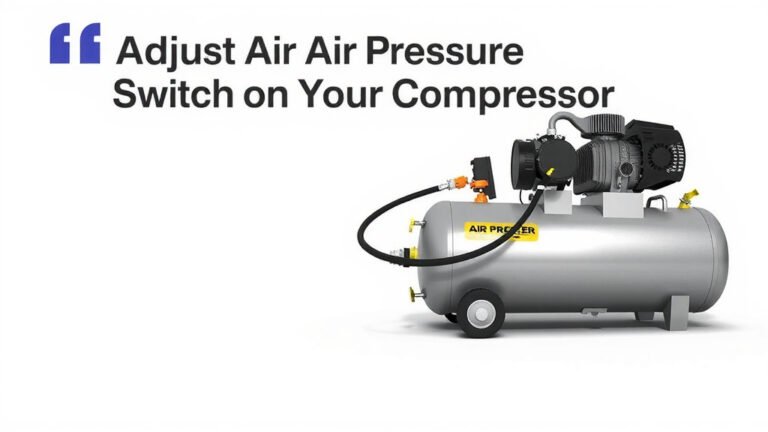
Adjusting your air compressor’s cut-out pressure is a smart move. It helps ensure your compressor stops at the right point. This simple adjustment can save energy. It also protects your tools from over-inflation. You’ll find this setting on the pressure switch. It usually looks like a small black box mounted on your tank.
Think of the cut-out pressure as the compressor’s “off” button. It tells the motor when to stop pumping air. Setting it correctly is like tuning a musical instrument. You want it to hit the right note every time. We’ll guide you through this easy process.
Understanding the Pressure Switch
The pressure switch is the brain of your air compressor’s operation. It monitors the air pressure inside the tank. When the pressure reaches a certain level, it tells the motor to shut off. This prevents the tank from over-pressurizing. It’s a critical safety feature.
Components of the Pressure Switch
Most pressure switches have a few key parts. You’ll see the main body, which houses the electrical contacts. There’s also a diaphragm that moves with pressure changes. And importantly, there’s the adjustment mechanism. This is what we’ll be working with.
The Role of the Cut-In Pressure
When you talk about cut-out pressure, you should also know about cut-in pressure. The cut-in pressure is the point at which the compressor starts pumping air again. It’s always lower than the cut-out pressure. This difference is called the cut-in/cut-out differential. A typical differential might be 20-30 PSI.
Why Adjusting is Important
You might need to adjust the cut-out pressure for several reasons. Perhaps your tools require a specific pressure range. Or maybe you want to optimize your compressor’s run time. Research suggests that setting the cut-out pressure too high can lead to longer run times between cycles, which can sometimes improve efficiency (Energy Star). However, always respect your tank’s maximum pressure rating.
Locating and Identifying the Adjustment Knob
Now, let’s find that adjustment knob. It’s usually located on the pressure switch itself. Look for a small knob or screw. Sometimes, it’s a larger dial with markings. Don’t confuse it with the safety relief valve. That’s a different, important safety device.
Common Types of Adjustment Mechanisms
We found that adjustment mechanisms vary by manufacturer. Some have a large, centrally located knob. Others might have two smaller screws. One screw often adjusts the cut-out pressure. The other might adjust the cut-in pressure or the differential. Always refer to your compressor’s manual for exact details.
What to Do If You Can’t Find It
If you’re struggling to locate the adjustment, don’t panic. Your compressor’s manual is your best friend here. It will have diagrams showing all the parts. You can also often find the manual online by searching your compressor’s model number. Sometimes, the adjustment is hidden under a cover plate. You may need to remove a few screws to access it.
Step-by-Step Guide to Adjusting Pressure
Ready to make the adjustment? First, ensure your compressor is powered off and unplugged. Safety first, always! You’ll also need an accurate air pressure gauge. Many compressors have a built-in gauge, but a separate one can offer more precision.
Increasing Cut-Out Pressure
To increase the cut-out pressure, you typically turn the adjustment knob clockwise. This makes the spring inside the switch tighter. It requires more pressure to overcome the spring and shut off the motor. Remember, small adjustments are best. Turn the knob a little, then test the pressure.
Decreasing Cut-Out Pressure
To lower the cut-out pressure, you’ll turn the adjustment knob counter-clockwise. This loosens the spring. The switch will then trip at a lower pressure. Again, make gradual changes. You don’t want to overshoot your target pressure.
Testing Your New Setting
After making an adjustment, plug in and turn on your compressor. Let it run until it reaches its cut-out point. Use your pressure gauge to check the pressure at which it shuts off. If it’s not quite right, repeat the adjustment process. Many users find that a few small adjustments are all it takes.
Important Safety Considerations and Best Practices
We can’t stress safety enough. Never adjust the pressure higher than the maximum rating marked on your air tank. Exceeding this can be dangerous. It could lead to tank failure or an explosion. Always consult your compressor’s manual. It provides specific guidelines for your model.
Understanding Pressure Differentials
The difference between cut-in and cut-out pressure is important. A larger differential means the compressor runs for longer periods. This can be more efficient. However, a very large differential might mean your pressure drops too low before the compressor kicks back on. We found that a differential of 20-30 PSI is often ideal for many applications (Industrial Equipment News).
When to Consult a Professional
If you’re uncomfortable with electrical components or unsure about any step, it’s wise to seek help. A qualified technician can safely make the adjustments for you. They can also inspect your compressor for any other issues.
Troubleshooting Common Issues
Sometimes, adjusting the pressure doesn’t go as planned. If your compressor doesn’t shut off at all, the pressure switch might be faulty or the adjustment is maxed out. If it shuts off too soon, you might have over-adjusted or there could be a leak.
Compressor Not Shutting Off
If your compressor keeps running, double-check your adjustments. Ensure the knob is turned correctly. If it still doesn’t shut off, the pressure switch itself may need replacement. This is a job best left to a professional.
Pressure Fluctuates Wildly
Erratic pressure could indicate a leaky valve or a malfunctioning pressure switch. Make sure all connections are tight. Sometimes, debris can interfere with the switch’s operation. Cleaning it gently might help, but proceed with caution.
Checklist for Successful Adjustment
Here’s a quick checklist to make sure you’ve got it covered:
- Compressor is unplugged and powered off.
- You have located the pressure switch and adjustment knob.
- You have your compressor’s manual handy.
- You know your tank’s maximum pressure rating.
- You are making small, incremental adjustments.
- You are testing the pressure with an accurate gauge.
A Quick Summary of Key Steps
To recap, adjusting your air compressor’s cut-out pressure involves locating the pressure switch, identifying the adjustment knob, making small turns clockwise (to increase) or counter-clockwise (to decrease), and testing the new pressure. Always prioritize safety and consult your manual for model-specific instructions. Getting this setting right helps your compressor run efficiently and safely.
Conclusion
You’ve successfully learned how to adjust your air compressor’s cut-out pressure. This simple adjustment is key to efficient and safe operation. By locating the pressure switch and carefully turning the adjustment knob, you can fine-tune your compressor’s performance. Remember to always prioritize safety by unplugging the unit and never exceeding your tank’s maximum pressure rating. Now that you’re equipped with this knowledge, go ahead and make those precise adjustments for optimal results with your tools and tasks.
Frequently Asked Questions
What happens if I set the cut-out pressure too high?
Setting your cut-out pressure too high can be risky. It might exceed the maximum pressure rating marked on your air tank. This could lead to dangerous situations, including tank failure. It’s always best to stay within the manufacturer’s recommended limits.
Can I adjust the cut-in pressure separately?
Some pressure switches allow you to adjust both cut-in and cut-out pressures independently, often with separate screws. However, many only have an adjustment for the cut-out pressure, and the cut-in pressure changes as a result. Always check your compressor’s manual to understand its specific capabilities.
How often should I check or adjust my compressor’s pressure settings?
You don’t need to adjust your cut-out pressure frequently. It’s best to set it once for your typical needs. However, you should periodically check your pressure gauge to ensure it’s still functioning accurately and that the settings haven’t drifted.
Is there a risk of damaging my compressor if I adjust it incorrectly?
There is a risk, especially if you try to set the pressure too high, which can stress the tank and motor. Making small, incremental adjustments and testing each time minimizes this risk. If you’re unsure, consulting your manual or a professional is always a safe bet.
What’s the difference between the pressure switch and the safety relief valve?
The pressure switch automatically turns your compressor off when a set pressure is reached. The safety relief valve is a manual backup. It’s designed to release excess pressure if the pressure switch fails, preventing a dangerous over-pressurization situation.