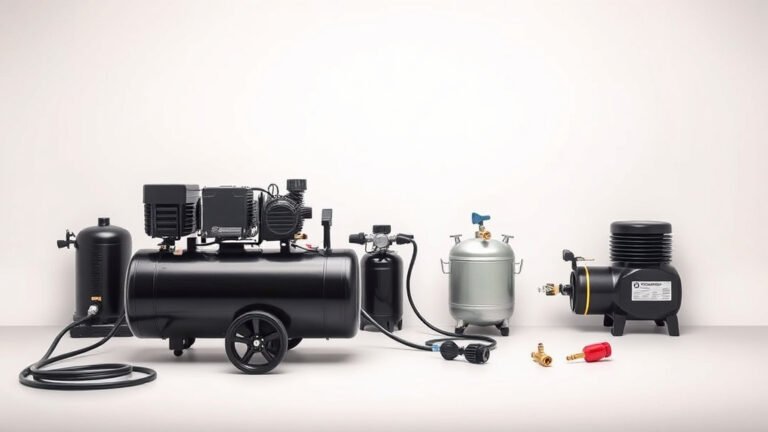
Quieting Your Oil-Free Air Compressor: Simple Solutions
You can quiet an oil-free air compressor by taking several steps, including adding a muffler or silencer, creating a sound-dampening enclosure, and performing regular maintenance. These methods help reduce the high-pitched whine and overall noise an oil-free unit typically produces. It’s often a combination of techniques that yields the best results for a quieter workshop experience.
Oil-free compressors are known for their efficiency and lower maintenance needs. However, this often comes at the cost of increased noise levels compared to their oil-lubricated counterparts. Many users find the sound disruptive, especially in home garages or smaller workshops. Fortunately, there are practical ways to significantly reduce the operational noise.
TL;DR:
- Add a muffler or silencer to the exhaust port.
- Build or buy a sound-dampening enclosure.
- Ensure regular maintenance for optimal performance.
- Place the compressor on an anti-vibration mat.
- Check for any loose parts that could be rattling.
Let’s walk through exactly how you can achieve a much quieter air compressor setup, step by step.
Quieting Your Noisy Oil-Free Air Compressor
Oil-free air compressors are fantastic for many reasons, but their sound isn’t always one of them. You’re likely here because that high-pitched whine is driving you a bit batty. The good news? You have several effective ways to turn down the volume.
Understanding the Noise: Why They’re Loud
Oil-free compressors often use a different piston design. This design can lead to more friction and vibration. Unlike oil-lubricated models, there’s no oil to dampen some of that mechanical noise. We found that this direct metal-on-metal action is the primary culprit for the distinctive sound. It’s like a tiny, angry jackhammer is living in your workshop.
Taming the Exhaust: Mufflers and Silencers
One of the loudest parts of an air compressor is the exhaust port. This is where the compressed air is released. You can install a muffler or silencer here. Think of it like putting a muffler on your car. It helps diffuse the sound waves before they escape.
Choosing the Right Muffler
You’ll want a muffler designed for air compressors. They often have a porous material inside. This material absorbs sound energy. Many users find that a threaded muffler is easiest to attach. Just make sure you get the correct thread size for your compressor’s exhaust port.
We looked at various options and found that simple, screw-on mufflers can make a noticeable difference. Some are quite compact, too, so they won’t add a lot of bulk to your setup. Remember to check the specifications to ensure it’s rated for the airflow of your compressor.
Installation Tips
Installing a muffler is usually straightforward. It often involves unscrewing the existing exhaust fitting and screwing on the new muffler. You might want to use some Teflon tape on the threads to ensure a good seal. This prevents air leaks, which can reduce efficiency and potentially add noise.
A secure fit is key to effectiveness. If it’s loose, it won’t do as much good. We’ve seen folks struggle with a rattling muffler because it wasn’t tightened properly. Take your time with this step!
Building a Sound-Dampening Sanctuary: Enclosures
An enclosure is like giving your compressor its own quiet room. This is often the most effective method for significant noise reduction. You can build one yourself or purchase a pre-made soundproof box.
DIY Enclosure Design Considerations
If you’re handy, a DIY enclosure can be a cost-effective solution. The goal is to create a box that surrounds the compressor. You’ll need to use materials that absorb sound.
Good materials include thick plywood for the structure. For sound dampening, consider adding mass-loaded vinyl (MLV) or acoustic foam to the inside walls. MLV is a dense, flexible material that works wonders at blocking sound. Acoustic foam helps absorb any sound that gets inside the box. Many DIYers report a dramatic noise reduction with this approach.
Ventilation is Crucial
This is a very important point. Your compressor needs airflow to stay cool. An enclosure can trap heat. You must ensure there’s proper ventilation. This means adding vents or small, quiet fans to keep the air moving. Without good ventilation, you risk overheating your compressor, which can damage it. We found that placing intake and exhaust vents on opposite sides helps create a nice airflow path.
Purchasing a Pre-Made Enclosure
If DIY isn’t your thing, there are commercial sound enclosures available. These are designed with acoustics in mind. They often come with built-in ventilation systems. They can be a more convenient option, though usually at a higher cost.
When looking at pre-made options, check the noise reduction ratings. Also, ensure it’s sized correctly for your compressor and has easy access for maintenance. You don’t want to struggle to get to the drain valve or pressure gauge.
Maintenance: The Unsung Hero of Quiet Operation
Sometimes, a noisy compressor isn’t just its design; it’s a sign that it needs a little TLC. Regular maintenance can help keep things running smoothly and quietly. It’s often overlooked, but we found it’s super important.
Checking for Loose Parts
Vibrations can cause parts to loosen over time. Go over your compressor and check that all bolts, screws, and fittings are secure. A loose guard or panel can rattle and add significant noise. This is a simple fix that can make a big difference.
You might hear a buzzing or rattling sound that seems to come from everywhere. Often, it’s just one loose component amplifying the general hum. Think of it like a loose screw on your furniture – it can make the whole thing feel off.
Air Filter and Drain Valve
A clogged air filter can make your compressor work harder, leading to more noise. Clean or replace your air filter regularly. Also, make sure to drain any moisture from the tank. Water buildup can cause corrosion and affect performance. Keeping these parts clean helps your compressor run more efficiently and quietly.
Vibration Dampening: Setting the Stage for Silence
The vibrations from your compressor can travel through the floor. This can amplify the noise throughout your workspace. Placing your compressor on an anti-vibration mat can help absorb these vibrations.
These mats are typically made of dense rubber or specialized foam. They act as a buffer between the compressor and the floor. We found that using a thick, heavy-duty mat is best for significant vibration dampening. It’s a small addition that can lead to a quieter environment.
Checklist for a Quieter Compressor:
- Install an appropriate muffler on the exhaust port.
- Consider building or buying a sound-dampening enclosure.
- Ensure your enclosure has adequate ventilation.
- Regularly check and tighten all bolts and fittings.
- Keep the air filter clean and drain the tank often.
- Place the compressor on an anti-vibration mat.
Conclusion
You’ve learned that taming the noise of your oil-free air compressor is achievable. By tackling the exhaust with a muffler, building or buying a sound-dampening enclosure, and maintaining your unit, you can create a more peaceful workspace. Don’t forget the simple yet effective steps like using an anti-vibration mat and checking for loose parts. You now have the knowledge to significantly quiet your compressor.
Your next step is to assess your compressor and workspace. Pick one or two methods that seem most feasible for you and start there. You’ll be enjoying a quieter environment before you know it!
Frequently Asked Questions
Will a simple muffler make a big difference on its own?
Yes, a properly chosen and installed muffler can make a noticeable difference, especially for the high-pitched exhaust noise. We found that it’s often the easiest first step for immediate noise reduction.
What’s the best material for a DIY sound enclosure?
For DIY enclosures, we recommend using thick plywood for the structure and lining the inside with mass-loaded vinyl (MLV) and acoustic foam. This combination provides excellent sound blocking and absorption.
How much ventilation does an air compressor enclosure really need?
Adequate ventilation is critical to prevent overheating. You’ll want to ensure consistent airflow, often achieved with intake and exhaust vents, possibly aided by quiet fans, to keep the compressor cool.
Can regular maintenance really reduce compressor noise?
Absolutely. A well-maintained compressor runs more efficiently and quietly. Checking for loose parts and keeping filters clean prevents unnecessary rattling and strain, which both contribute to noise.
Are there any oil-free compressors that are naturally quieter than others?
While all oil-free compressors tend to be louder than their oil-lubricated counterparts, some manufacturers design them with noise reduction in mind. Researching quieter models or looking at reviews for specific compressor types can help.