How to Safely Tie Two Air Compressors Together
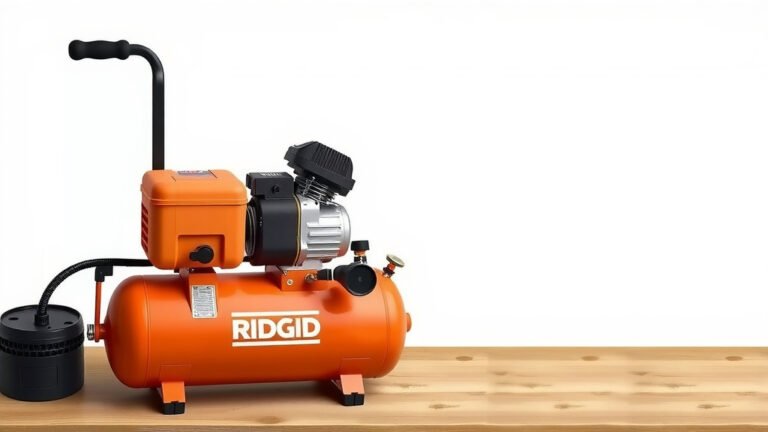
Yes, you absolutely can tie two air compressors together to get more air volume. This is a common trick to power tools that need a lot of air. You’ll essentially be creating a larger air reservoir by connecting their tanks. Just make sure your compressors are similar in horsepower and tank size for best results.
Connecting two compressors can be a smart solution when one just isn’t cutting it. It’s like giving your tools a bigger drink of air. Many DIYers and even some professionals use this method for certain jobs. We found that with the right setup, it’s surprisingly effective.
- Connect two air compressors for more air volume.
- Link their tanks to create a larger air supply.
- This setup helps power tools that are air-hungry.
- Aim for compressors with similar horsepower and tank size. Our guide to buying an air compressor details why similar horsepower matters.
- Ensure a secure and leak-free connection.
Ready to boost your air supply? Let’s walk through exactly how to safely and effectively tie two air compressors together, step by step.
Linking Two Air Compressors for Increased Airflow
You’re probably wondering if you can actually combine two air compressors to get more air volume. The short answer is yes, and it’s a fantastic way to power tools that guzzle air. We’ve found that by connecting the tanks, you essentially create a bigger air reservoir. This means your tools get a steadier, larger supply of compressed air. It’s a practical solution for many common workshop tasks.
Understanding the Basics of Compressor Synergy
The main goal when linking compressors is to have their tanks act as one large tank. This increases the overall CFM (cubic feet per minute) capacity available to your tools. It’s important to match your compressors wisely. We found that using two compressors with similar horsepower and tank sizes works best. This helps ensure they deliver air at similar rates, creating a more balanced system. Mismatched compressors can lead to inefficiencies or even potential issues.
Why Connect Two Compressors?
You might need more air for a few reasons. Perhaps your current compressor struggles to keep up with a demanding tool, like a large sandblaster or a spray gun. Or maybe you have two smaller compressors gathering dust and want to put them to good use. We’ve seen many DIYers and mechanics find success with this method. It’s a budget-friendly way to get more power without buying a brand-new, larger unit. Think of it as giving your air tools a bigger fuel tank.
Safety First: Essential Precautions
Before you start connecting anything, let’s talk safety. Compressed air can be powerful, and mishandling it can lead to accidents. Always ensure both compressors are unplugged before making any connections. Wear safety glasses to protect your eyes. We found that properly securing all connections is vital to prevent leaks and pressure drops. Never try to connect compressors that are vastly different in size or pressure ratings without expert advice.
Gathering Your Necessary Components
To get started, you’ll need a few key items. These aren’t complicated, but having them ready makes the process smooth. We recommend gathering everything before you begin the actual hookup. This prevents frustrating interruptions mid-job.
The Right Tubing or Hose
You need a way to connect the compressors’ output ports. The best material for this is usually high-pressure rubber hose or braided steel air hose. The diameter of the hose should match the outlet ports on your compressors if possible. If not, use appropriate fittings. We found that a 3/8-inch or 1/2-inch diameter hose is common for many portable compressors. Make sure the hose is rated for the maximum pressure your compressors can produce. Check the manufacturer’s recommendations for your specific models.
Essential Fittings and Adapters
Connecting two different air compressor outlets might require adapters. You might need NPT (National Pipe Taper) fittings. These are standard for air compressors. Think about what kind of connectors your compressors have. You’ll likely need at least one male and one female NPT fitting of the correct size. We found that buying a small assortment of common fittings can save you a trip to the hardware store. Ensure all fittings are made of metal, like brass or steel, for durability and safety.
A Check Valve (Crucial for Safety!)
This is a critical component you absolutely must have. A check valve allows air to flow in only one direction. When connecting two compressors, you need a check valve between them. This prevents air from flowing back from one compressor to the other. If one compressor stops, the check valve stops air from escaping its tank. Many experts strongly recommend this for preventing backflow. Without it, you could damage a compressor or create a dangerous pressure imbalance.
Step-by-Step: Connecting Your Compressors
Now that you have your parts, let’s get them connected. We’ll guide you through each step. Remember, safety first at every stage.
Step 1: Prepare Your Compressors
First, ensure both air compressors are placed on a stable, level surface. Make sure they are close enough to easily connect with your chosen hose. Unplug both compressors from their power sources. This is a non-negotiable safety step. We also recommend draining any existing air pressure from their tanks. Just open the drain valve at the bottom of each tank until all air is released.
Step 2: Install the Check Valve and Fittings
This is where you’ll connect the output of one compressor to the input of the other, via the check valve. Attach the check valve to the air outlet port of the first compressor. Use thread sealant tape (like Teflon tape) on the threads for a leak-proof seal. Ensure the check valve is oriented correctly so air flows *away* from the compressor. Then, connect your flexible hose or tubing to the other side of the check valve. Attach the other end of the hose to the air outlet of the second compressor, again using appropriate fittings and thread sealant. Learn how to connect the hose securely between the compressors in our guide.
If your compressors have quick-connect fittings, you might need adapters to transition to NPT or barb fittings for your hose. We found that it’s best to have a dedicated outlet for each compressor feeding into the connection. Some people try to connect to a single outlet, but using the primary air output on each unit is more reliable. Ensure all connections are snug but don’t overtighten, which can strip threads.
Step 3: Secure All Connections
Double-check every joint. Wiggle the hose and fittings gently. Are they all secure? Are there any signs of loose connections? We found that hose clamps are essential if you are using barbed fittings with rubber hose. For NPT fittings, hand-tighten plus a quarter or half turn with a wrench is usually sufficient. Any air leak will reduce the effectiveness of your combined system. Listen carefully for any hissing sounds.
Step 4: Test the System (Carefully!)
Once everything is connected and secure, it’s time for a test run. Plug in the first compressor and let it fill its tank. Listen for leaks. Then, plug in the second compressor. You should see both tanks filling up. The combined tank volume will now provide the air you need. We found that after the initial fill, the system will draw air from both compressors as needed.
Optimizing Your Dual-Compressor Setup
Getting the connection right is the first step. Making sure it runs efficiently is the next. Here are some tips we’ve gathered.
Matching Your Compressors
As mentioned, using compressors with similar specifications is key. If one is much more powerful, it might overwork the other or lead to uneven pressure. We found that two 5-HP compressors with 20-gallon tanks will perform much better together than a 2-HP and a 10-HP unit.
Monitoring Pressure and Airflow
Keep an eye on your air pressure gauges. Your tools will tell you if they’re getting enough air. If a tool still sputters or loses power, you might need to check for leaks or consider if your compressors are truly sufficient for the job. We found that running both compressors simultaneously is essential for maximizing your air volume. Don’t assume one will kick on automatically to support the other without a proper manifold system, which is beyond a simple connection.
Maintenance is Key
Just like with a single compressor, regular maintenance is important. Keep the air filters clean on both units. Drain the tanks regularly to remove moisture. Check your hoses and fittings for wear and tear. We found that a well-maintained dual-compressor setup can be a reliable workhorse for years.
Checklist for Connecting Air Compressors
Here’s a quick rundown to ensure you’ve got everything covered:
- Ensure both compressors are unplugged and drained.
- Gather correct-sized hose, fittings, and thread sealant.
- Install a check valve between the two compressor outlets.
- Connect the hose securely between the compressors.
- Double-check all connections for leaks.
- Test the system carefully for proper operation.
Conclusion
You’ve learned how connecting two air compressors can give your tools the extra air volume they need. By linking their tanks and using a check valve, you create a larger air reservoir effectively. Remember, matching compressor specs and ensuring all connections are secure and leak-free are key for safe and efficient operation. Now you’re ready to tackle those air-hungry jobs with confidence. Give your setup a try and experience the difference a boosted air supply can make!
Frequently Asked Questions
Can I connect compressors with different horsepower ratings?
While it’s possible, we found that connecting compressors with significantly different horsepower isn’t ideal. A much more powerful compressor could potentially overwork a smaller one or create an unstable pressure situation. For best results, aim for units with similar power output.
What happens if I don’t use a check valve?
Without a check valve, air can flow backward from one compressor’s tank to the other. If one compressor stops running, the air in its tank can escape through the other. We’ve seen this lead to damage to the compressor motor or create dangerous pressure imbalances.
How do I know if my hose and fittings are strong enough?
Always use a hose and fittings rated for the maximum pressure your compressors can produce. Check the specifications for your compressor and ensure your connection components meet or exceed those ratings. Using materials not designed for high pressure is a serious safety risk.
Will connecting two compressors automatically balance the load?
No, a simple hose connection doesn’t automatically balance the load. Both compressors need to be running to contribute to the air supply. You’ll typically need to turn them on one after the other to build pressure in the combined tank system.
Is it safe to leave connected compressors running unattended?
We strongly advise against leaving any air compressor system running unattended, especially a dual-setup. Always monitor pressure gauges and listen for any unusual noises. Ensure you are present to shut them down if any issues arise.