Master Air Compressor Accessories: A Practical Guide
Using your air compressor accessories is all about making your tools work smarter. You can attach different nozzles, hoses, and adapters to tackle a variety of jobs. Think of them as the handy sidekicks that help your compressor do more than just inflate tires. They boost efficiency and expand your capabilities, from cleaning dust to powering paint sprayers.
Many DIYers and professionals alike find that the right accessories transform their air compressor from a single-purpose gadget into a versatile powerhouse. We’ve found that investing in a few key attachments can save you a ton of time and effort. They allow you to precisely control airflow and pressure, which is essential for delicate tasks or heavy-duty work. It’s amazing what a difference the right piece can make!
- Attach the right nozzle for the job.
- Use hoses for extended reach.
- Check compatibility with your compressor.
- Keep accessories clean and organized.
Ready to get the most out of your air compressor? Let’s walk through how to use these handy accessories step by step.
Getting More From Your Air Compressor Accessories
Your air compressor is a workhorse, but its full potential shines when you add the right accessories. We found that these attachments are not just add-ons; they’re essential tools that expand what your compressor can do. They help you work faster, cleaner, and more precisely. Let’s look at how you can effectively use the most common air compressor accessories.
Understanding Your Air Hoses
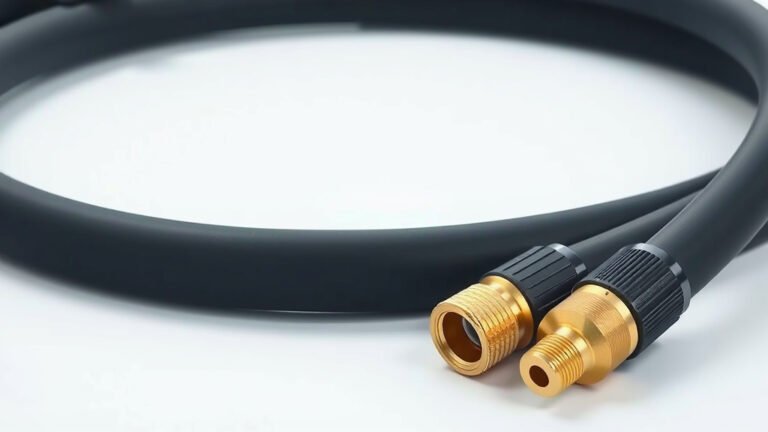
Air hoses are your compressor’s lifeline to your tools. They deliver compressed air where you need it. The type of hose you choose matters. It needs to handle the pressure your compressor produces and reach where your work is. We found that many DIYers overlook the importance of hose quality.
Choosing the Right Air Hose
When selecting a hose, consider its material, length, and diameter. Rubber hoses are durable and flexible, making them a popular choice. Vinyl hoses are lighter but can become stiff in cold weather. Braided hoses offer extra strength.
Hose diameter affects airflow. A larger diameter (like 3/8 inch or 1/2 inch) allows more air to flow, which is better for high-demand tools like impact wrenches or spray guns. Smaller diameters (1/4 inch) are fine for lower-demand tasks like inflating tires or using airbrushes.
Length is also key. Measure the farthest reach you’ll need for your typical projects. We found that having a hose that’s too short is a common frustration. However, excessively long hoses can lead to a drop in air pressure.
Connecting and Managing Your Hoses
Attaching a hose is usually straightforward. Most hoses have standard fittings that screw onto your compressor’s outlet or coupler. Ensure the connection is tight and secure to prevent air leaks. Leaks waste energy and reduce tool performance. We found that a simple tightening can fix many issues.
When not in use, proper hose management is important. Coiling your hose neatly prevents kinks and prolongs its life. Many people use hose reels or Velcro straps for storage. This keeps your workspace tidy and prevents tripping hazards. Proper hose management, like using hose reels, is important for accessory longevity.
Essential Air Tool Attachments
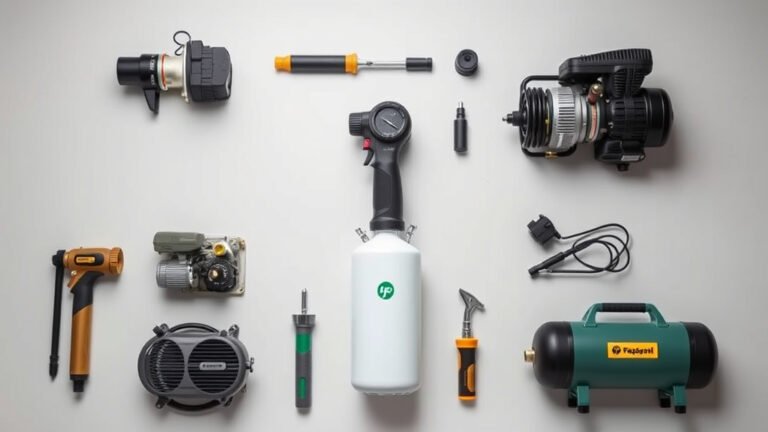
Beyond hoses, a variety of attachments connect to the end of your hose to perform specific tasks. These are the real game-changers for versatility. We’ve seen firsthand how the right attachment can make a job much easier.
Nozzles and Blow Guns
Blow guns are simple but incredibly useful. They attach to the end of your hose and have a trigger to release a burst of air. You can use them to clear dust, debris, and shavings from work surfaces, tools, or even your clothes. Many experts say they are one of the first accessories you should acquire (Occupational Safety and Health Administration).
Different nozzle tips are available. Some are narrow for a focused blast, while others are wider for broader coverage. For tasks requiring more power, consider a high-flow blow gun. Always point the nozzle away from yourself and others. We found that eye protection is absolutely critical when using blow guns.
Tire Inflators and Gauges
This is perhaps the most common use for air compressors. Tire inflator attachments connect directly to tire valves. They often have a built-in gauge to monitor pressure as you inflate.
Using one is simple:
- Press the chuck firmly onto the tire valve stem.
- Squeeze the trigger to release air.
- Watch the gauge.
- Release the trigger when you reach the desired pressure.
Many tire inflators have a lever to release air if you over-inflate. Remember to check your vehicle’s recommended tire pressure, usually found on a sticker inside the driver’s door jamb. We found that maintaining proper tire pressure improves fuel efficiency and tire life.
Chisels and Impact Wrenches
For more demanding tasks, air-powered chisels and impact wrenches are common. Chisels use rapid hammering action to break apart concrete or metal. Impact wrenches deliver powerful rotational force to loosen stubborn bolts and nuts.
These tools typically require a higher volume of air than a blow gun or tire inflator. Ensure your air compressor is rated for the air consumption (CFM) of these tools. They also often require specialized fittings and lubrication. We found that following the tool manufacturer’s instructions is key for safe operation.
Adapters and Couplers: The Connectors
Sometimes, the fittings on your hose don’t match the fittings on your tools. This is where adapters and couplers come in. They are small but mighty pieces that bridge these differences.
Quick-Connect Couplers
Quick-connect couplers are incredibly popular for their ease of use. One part screws onto your hose end, and the other part stays on your tool. When you want to connect, you simply push the tool fitting into the coupler. It locks automatically, creating a secure air seal. To disconnect, you usually pull back a sleeve on the coupler.
There are different types and sizes of quick couplers. Industrial-style couplers are robust and common on professional setups. Automotive or general-purpose couplers are also widely available. We found that using matching coupler styles ensures a good seal.
Hose Adapters
Hose adapters are threaded fittings that allow you to connect different sizes of hoses or change from one thread type to another. For example, you might need an adapter to go from a larger compressor outlet to a smaller hose fitting. Or, you might need one to connect a specific type of tool that uses a non-standard air inlet.
When using adapters, always ensure they are made of durable material, like brass or steel. Check that the threads are compatible and that the connection is airtight. We’ve seen that using the wrong adapter can lead to leaks or even damage to your tools.
Maintenance and Safety First
Keeping your accessories in good condition ensures they work reliably and safely. This includes regular checks and proper storage.
Regular Inspection and Cleaning
Before each use, inspect your hoses for cracks, cuts, or worn spots. Check fittings for damage or leaks. For blow guns and tire inflators, ensure triggers and valves operate smoothly.
Clean your accessories after use, especially if they’ve been exposed to dirt or grease. This prevents buildup that could clog air passages or damage seals. We found that a damp cloth is often enough for general cleaning. For more stubborn grime, mild soap and water can work wonders.
Air Tool Lubrication
Many air tools, especially those with moving parts like impact wrenches or grinders, require lubrication. This is often done through a small port on the tool or via an in-line oiler connected to your air hose. The lubricant protects the internal mechanisms from wear and corrosion. Many manufacturers recommend specific types of air tool oil. We found that consistent lubrication significantly extends the life of air tools.
Checklist for Using Accessories Safely
Here’s a quick checklist to keep in mind:
- Always wear safety glasses when using air tools or blowing air.
- Ensure your air compressor is turned off and unplugged before connecting or disconnecting accessories.
- Check that accessory pressure ratings exceed your compressor’s maximum output.
- Inspect hoses and fittings for damage before each use.
- Never point a blow gun at yourself or others.
- Disconnect accessories when not in use to prevent accidental activation.
By understanding and properly using your air compressor accessories, you can significantly enhance your productivity and tackle a wider range of projects with confidence. It’s about making your tools work for you!
Conclusion
You’ve learned how air compressor accessories can transform your tools. Proper use of hoses, nozzles, and adapters makes jobs easier and faster. Remember to always check compatibility and keep your accessories clean. Taking these steps ensures your compressor and its attachments perform reliably. Now you’re ready to tackle your projects with more efficiency and confidence. Invest a little time in your accessories, and they’ll save you a lot of effort.
Frequently Asked Questions
What’s the best way to store my air compressor accessories?
We found that neat storage prevents damage and clutter. Coiling hoses without kinks is key. Using hose reels or Velcro straps keeps things organized. Storing smaller attachments in a dedicated toolbox or organizer also works well.
How do I know if my air hose is the right size for my tool?
Tool requirements often dictate hose size. High-demand tools like impact wrenches need larger diameters for sufficient airflow. Simple tasks like tire inflation work fine with smaller hoses. Always check your tool’s manual for recommended hose specifications.
Can I use any adapter with my air compressor accessories?
It’s best to use adapters designed for air compressors. Mismatched or low-quality adapters can cause leaks or damage. Ensure the threads are compatible and the adapter’s pressure rating is sufficient. We’ve found matching coupler styles is often important.
Why is my air tool not performing as well as it should?
Several factors could be at play. A common culprit is air leaks in your hose or connections, which waste pressure. Your compressor might not be producing enough air (CFM) for the tool. Low tire pressure on your compressor tank can also be an issue.
Do I really need to lubricate my air tools?
Yes, for many tools, lubrication is essential. It protects the internal moving parts from wear and corrosion. This is especially true for tools like impact wrenches and grinders. Following the manufacturer’s oil recommendations will help your tools last longer.