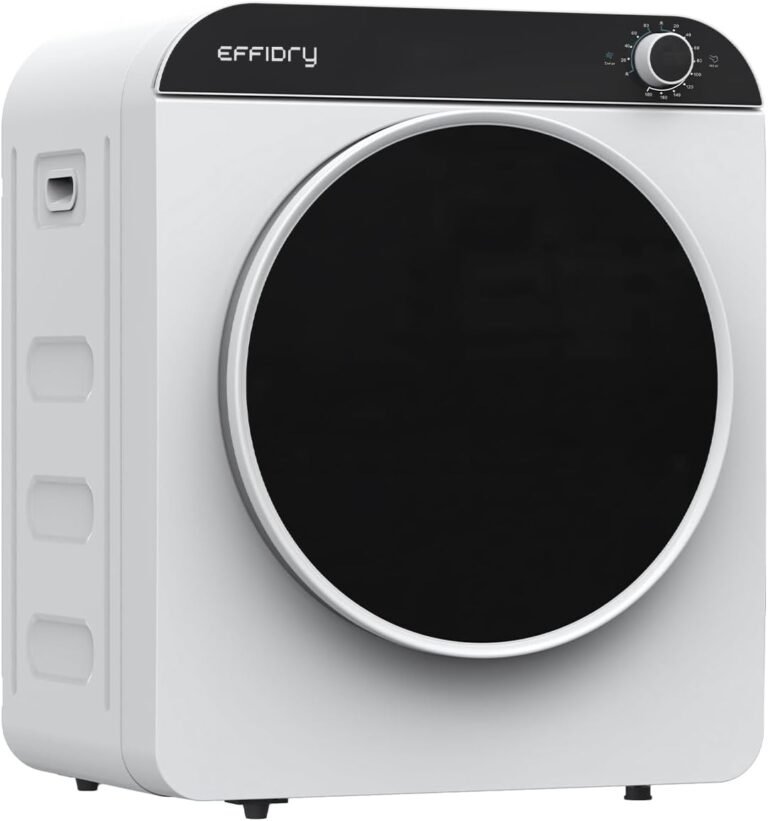
Heat Pump Dryers: How They Work and Why It Matters
A clothes dryer heat pump is a type of dryer that recycles warm air to dry your clothes using less energy than a traditional vented dryer. Instead of blasting hot air once and pushing it outside, it captures the moisture and reuses the heat. This makes it a highly efficient appliance that’s gentler on your fabrics.
You might be looking at a new dryer and wondering if this technology is worth the higher upfront cost. We looked into how these machines work and where they shine. The big payoff is lower energy bills and no need for an external vent, which gives you more flexibility for where you put the dryer in your home.
- How it works: It uses a closed-loop system with a refrigerant to dry clothes.
- Energy savings: It typically uses about half the energy of a conventional electric dryer.
- Ventless design: You don’t need a duct to the outside, so installation is easier.
- Fabric care: Lower drying temperatures mean less wear and tear on your clothes.
- Consideration: They cost more upfront and take longer to dry a load than standard models.
Below, we break down exactly how a heat pump dryer works and help you figure out if it’s the right choice for your laundry room. Let’s walk through the basics step by step without the confusing tech talk.
Understanding the Heat Pump Dryer Mechanism
A heat pump dryer is basically a closed-loop system. It recycles air instead of pulling fresh air from your laundry room. You can think of it like a dehumidifier working next to a space heater — but all in one appliance.
We found that people often confuse this with a condenser dryer. Both are ventless, but they work differently. A traditional condenser dryer uses an electric heating element and cools the air with room-temperature air. A heat pump dryer uses a refrigerant cycle to capture heat and moisture more efficiently.
The Simple Breakdown of How It Works
Let’s walk through what happens when you press start on a heat pump dryer. It’s not magic, but it’s pretty clever engineering.
- Air is heated by the heat pump system and blown into the drum.
- Warm air absorbs moisture from your wet clothes.
- The damp air passes over a cold evaporator coil.
- Moisture condenses into water and gets collected in a drain or tank.
- The now-dry air passes over a hot condenser coil and gets reheated.
- That reheated air goes back into the drum to continue drying.
That cycle repeats until your clothes are dry. The key is that heat gets reused rather than wasted.
What Happens to the Water?
You have two options for water removal. Many models have a removable reservoir you empty after each load. Others can connect directly to a floor drain, similar to how a washing machine drains.
If you use the reservoir, just pull it out and dump it in a sink. It’s a small chore, but you’ll do it after every couple of loads. Many experts say this is the one habit that takes getting used to for new owners.
Why Energy Efficiency Matters in a Heat Pump Dryer
Energy use is where heat pump dryers really stand out. Standard electric dryers are energy hogs. They use a lot of power to heat air from scratch every cycle.
Research and found estimates suggest heat pump models can use about 50 percent less energy than conventional electric dryers. That’s a big deal on your monthly utility bill.
Think of it this way: a standard dryer is like driving a gas-guzzling truck. A heat pump dryer is like driving a hybrid. Same job, but one does it with far less fuel.
Comparing Energy Costs Over Time
The upfront price tag is higher. We get it. That can be scary. But over the life of the machine, you can save real money.
Here’s a quick comparison table to help you see the difference at a glance.
| Feature | Heat Pump Dryer | Conventional Vented Dryer |
|---|---|---|
| Typical Energy Use | Half the energy of standard models | High energy consumption |
| Vent Required | No vent needed | Yes, external duct required |
| Drying Temperature | Low (around 120°F) | High (can exceed 150°F) |
| Installation Flexibility | Place almost anywhere | Must be near an exterior wall |
| Upfront Cost | Higher | Lower |
| Long-Term Savings | Higher | Lower |
We found that many households can recoup the price difference within a few years through energy savings. That makes it a smart investment for people who dry multiple loads each week.
Ventless Design and Where You Can Put the Dryer
Do you live in an apartment or a condo? Do you have a laundry closet without a window? A heat pump dryer might be perfect for you.
Because there’s no duct, you don’t need to vent hot, humid air outside. That opens up a world of placement options. You can put it in a hallway closet, a bathroom, or even a kitchen nook if you have the space.
We found that this flexibility is one of the biggest selling points for city dwellers. No more lint building up in long vents or dealing with a flimsy foil duct that gets crushed behind the machine.
Moisture in the Room — What to Expect
You might wonder if a ventless dryer makes your laundry room feel damp. It shouldn’t. The whole point is that the dryer captures the moisture internally.
According to basic appliance engineering principles, the water goes into the tank or drain. It does not escape into the air. Your room stays dry and comfortable.
One thing to keep in mind: always empty the water reservoir before it gets full. Most newer models have a sensor that stops the cycle if the tank is full, but it’s better to stay ahead of it.
Fabric Care and Lower Drying Temperatures
Heat pump dryers dry at lower temperatures. That’s actually fantastic news for your clothing.
High heat is what shrinks your favorite cotton t-shirt. It also breaks down elastic over time and fades colors faster. Lower heat means less wear and tear on every load.
Many experts say this is the gentlest way to dry your clothes outside of air-drying them. You’ll notice your towels feel softer, your delicates last longer, and your jeans keep their shape better.
What About Drying Time?
We’ll be honest with you. Heat pump dryers take longer per load. You might see a standard cycle run 60 to 90 minutes, while a conventional dryer finishes in 45.
That can be annoying when you’re in a hurry. But here’s the catch: the longer cycle uses less energy overall. It’s a trade-off between speed and efficiency.
One tip we found helpful is to use the sensor dry settings rather than timed dry. The machine knows when your clothes are dry and stops automatically. This prevents over-drying, which saves even more energy.
Lint Management and Maintenance Needs
All dryers require some maintenance. Heat pump dryers have a few extra things to keep an eye on.
Besides the lint trap, there’s a separate filter near the evaporator coil. You’ll need to clean that regularly, usually every few loads or when the machine tells you.
The condenser unit also needs periodic cleaning. Many models have a self-cleaning cycle that flushes the system with water. Some require you to manually clean the fins with a soft brush.
Caring for the Water Tank
If you don’t connect the dryer to a drain, remember to empty the water collection tank consistently. Stagnant water can develop bacteria or mold over time.
We found that wiping the tank dry with a cloth once a week helps keep things fresh. It’s a small habit that prevents unpleasant odors.
Is a Heat Pump Dryer Right for Your Home and Budget?
So, how do you decide? Start with your laundry space. If you have no external vent and you’re tired of relying on a ventless condenser model, this is a clear upgrade.
Next, consider how much you dry. A large family running loads daily will see the biggest savings on their electric bill. A single person drying one load a week might not notice as much of a difference.
Finally, look at your installation options. Many heat pump dryers are made to stack with a matching washer. That’s a great space saver for tight laundry closets.
The Cost Reality Check
You’ll pay more upfront. We won’t sugarcoat that. But rebates may be available from your utility company or state government for buying an ENERGY STAR certified model.
Energy Star is a helpful benchmark. Look for that label when you shop. It means the model meets strict efficiency guidelines set by the U.S. Environmental Protection Agency.
Overall, we found that the upfront cost is often balanced by the long-term benefits. You get lower bills, better fabric care, and more flexible installation. That combination is hard to beat.
Checklist Before You Buy a Heat Pump Dryer
Here’s a handy checklist to keep in mind when you’re shopping. Run through these points to make sure a heat pump model fits your life.
- I have a 240V outlet available in my laundry area.
- I understand that loads will take 15-25 minutes longer to dry.
- My laundry space is at least 40 degrees Fahrenheit.
- I’m prepared to empty the water tank after every couple of loads.
- I’ve checked for local rebates on efficient dryers.
- My budget allows for the higher initial purchase price.
Work through that list and see how many boxes you can tick. Most homeowners will find that at least five of these are a yes for them.
Common Misconceptions About Heat Pump Technology
There are plenty of myths floating around. Let’s clear up a few we hear all the time.
First, people think heat pump dryers can’t dry heavy items like comforters. They absolutely can. You might need to use a bulk or bedding cycle, but the machine handles it.
Second, some folks believe they need a special electrical outlet. That’s not true. Most heat pump dryers run on a standard 120V outlet, just like your regular dryer. No need to hire an electrician.
Will It Work in a Cold Basement?
Heat pump efficiency drops when the ambient room temperature is very low. If your basement gets below 50°F, the drying cycle might take longer.
You can work around this by drying smaller loads or adding a few extra minutes to the cycle. Some models have a boost button that kicks in extra heat for these situations.
Comparing Noise Levels and Daily Use
Heat pump dryers run quieter than traditional vented dryers. There’s no loud whoosh of air being pushed outside. You’ll hear a soft hum instead.
In fact, many models are quiet enough that you can run them at night without disturbing the household. That’s a huge plus for families living in small apartments where the laundry closet is near the bedroom.
The drum rotation is also smoother. Vibrations are minimal, especially when the unit is properly leveled. Just make sure you install it on a sturdy, flat surface.
One small tip: don’t overload the drum. Heat pump dryers work best when clothes have room to tumble freely. This helps air circulate properly and keeps drying times shorter.
Conclusion
You now have the full picture on heat pump dryers. They recycle heat, skip the vent, and treat your clothes with lower temperatures. That adds up to real energy savings and less wear on your favorite items.
The trade-off is honest: a higher upfront price and longer cycle times. But for most households, the monthly savings and flexible installation make it worth the switch. You can place one almost anywhere without worrying about ductwork.
Your next step is simple. Measure your laundry space and check what rebates your utility company offers. Then compare a few ENERGY STAR certified models online. You’ll see which heat pump dryer fits your budget and your home.
Frequently Asked Questions
Do heat pump dryers need special wiring?
Most heat pump dryers run on a standard 120V outlet. That’s the same outlet your conventional dryer probably uses already.
You likely won’t need to hire an electrician. Just double-check the manual for your specific model before you buy.
Can you stack a heat pump dryer on top of a washer?
Yes, you can stack most heat pump dryers with matching washers. Manufacturers sell stacking kits designed for this purpose.
This setup is a huge space saver for tight laundry closets. Just make sure your ceiling height is tall enough to accommodate both machines.
How long do heat pump dryers last compared to regular dryers?
Heat pump dryers typically last just as long as conventional dryers. Most models have a lifespan of 10 to 15 years with proper maintenance.
Keeping the filters clean and emptying the water tank regularly helps maximize longevity. The sealed refrigerant system is designed to last without service.
Will a heat pump dryer make my laundry room hotter?
No, your laundry room should stay comfortable. The heat pump system captures warmth and moisture inside the machine.
Unlike vented dryers that push hot air out, this design keeps the air circulating in a closed loop. You won’t feel that blast of hot, humid air when you walk in.
Are heat pump dryers good for people with allergies?
Yes, they can be a great choice for allergy sufferers. The internal filtration system traps more lint and dust than traditional vented models.
Because there’s no external vent, pollen and outdoor allergens can’t get pulled back into your home. This keeps your laundry air cleaner and fresher.