What Is a Clothes Dryer Called? Common Names Explained
In the US, a clothes dryer is most commonly called a clothes dryer or simply a dryer. You might also hear it called a tumble dryer, which is the more common term in the UK and other parts of the world. So, if you are shopping or talking to a repair tech in America, just say “dryer.”
We found that these machines work by tumbling your wet laundry in a rotating drum while pushing heated air through it to evaporate the moisture. While the basic name is simple, lots of regional nicknames and industry terms can pop up, like laundry dryer, clothes tumbler, or even the specific ventless dryer. Knowing these different names helps a lot when you’re reading manuals or comparing models online.
- The standard name: In the US, we almost always call it a clothes dryer or just a dryer.
- The Brit term: Tumble dryer is the standard term in the UK and Australia.
- Nicknames: You might hear “tumbler” or “laundry dryer” in casual conversation.
- Technical types: Specific names like vented, ventless, and condensing dryers refer to how they handle moisture.
- Combination units: A washer-dryer combo is a single machine that does both jobs.
Below, we break down all the different names for this handy appliance so you always know exactly what you’re looking at. Let’s walk through the terminology together.
Breaking Down the Common Names for a Clothes Dryer
You might think a dryer has just one name, but language is funny like that. We found that the term you use often depends on where you grew up and who you ask. In the United States, the default phrase is clothes dryer. It is simple and gets the job done.
Walk into any American hardware store and ask for a “tumble dryer,” and the staff will know what you mean. But they will likely point you to the same aisle anyway. The words we choose for everyday appliances are more regional than we realize.
Why We Say “Dryer” Instead of Other Terms
The word “dryer” is short and efficient, just like the machine itself. Americans love to shorten things. We say “fridge” for refrigerator and “TV” for television. So, it makes sense that we drop the “clothes” and just call it a dryer.
This abbreviation is so common that the longer phrase, “clothes dryer,” often feels formal. You will see “clothes dryer” printed on energy guide stickers and in appliance manuals. In daily conversation, though, you likely just say, “Throw the towels in the dryer for me.”
The British Influence: Tumble Dryer
If you watch British TV shows or read UK-based websites, you will hear the term tumble dryer constantly. This name comes from the machine’s core action. The drum literally tumbles your wet clothes through warm air.
Many experts say the technical name “tumble dryer” actually describes the process better. Your machine doesn’t just dry clothes; it tumbles them. But in the US, we are creatures of habit. We mostly stick to “dryer” and reserve “tumble” for describing the action inside.
Regional Nicknames and Slang for Dryers
Just like soda versus pop, dryer nicknames vary across regions. You might hear different terms at a laundromat in Texas compared to one in New York. It is all part of the fun of American English.
We found that most of these terms are informal. They won’t show up in an owner’s manual, but they pop up in everyday chatter. Knowing them can help you feel at home in a new area or just decode a friend’s text message.
The Casual “Tumbler” Nickname
Some older folks and tradespeople call it a tumbler. This harkens back to the machine’s mechanical drum action. It is a bit of a leftover from a time when people described appliances by how they worked.
Now, if you say “tumbler” today, most people will think you mean a drinking cup. But in certain circles, especially among repair veterans, “tumbler” is perfectly normal. Don’t be surprised if a plumber or electrician uses this word.
Laundry Dryer vs. Clothes Dryer
You will sometimes see laundry dryer printed on product listings. This is just a synonym for clothes dryer. People use “laundry” to refer to the whole washing process, so it naturally attaches itself to the drying machine.
We found that “laundry dryer” is more common on commercial equipment. Hotel laundry rooms or big industrial facilities often use this term. For home use, “clothes dryer” still wins the popularity contest.
Technical Names Based on How the Dryer Works
Not all dryers are created equal. The way a dryer removes moisture from your clothes gives it a specific technical name. These names matter when you shop for a new machine or troubleshoot a problem.
The biggest difference comes down to how the machine handles the damp, warm air. Some machines push it outside. Others recycle it, collect the water, or simply evaporate it into the room. Each method has its own label.
| Type of Dryer | How It Vents Moisture | Best For |
|---|---|---|
| Vented Dryer | Pushes air through a hose to the outside | Homes with exterior wall access |
| Condenser Dryer | Cools air to collect water in a tank | Apartments and tight spaces |
| Heat Pump Dryer | Recycles hot air using a heat pump | High energy efficiency seekers |
| Ventless Dryer | No outside hose; uses internal condensation | Renters and small laundry closets |
Vented Dryers: The Classic American Workhorse
Most American homes have a vented dryer. This machine uses a metal or flexible hose to push hot, wet air outside. You will see the vent pipe leaving your wall and going out to the side of your house.
This design is straightforward and effective. It is also usually the cheapest type to buy. The downside is that it needs an exterior wall. If you live in an apartment with no outside access, this machine won’t work for you.
Condenser Dryers: The Space Saver
A condenser dryer does not need an outside vent at all. Instead, it cools the warm air to turn the moisture back into water. That water collects in a removable tank that you empty every few loads.
We found that these are extremely popular in Europe and Asia. In the US, they are gaining traction in urban apartments. They are great when you live in a high-rise and cannot cut a hole in the wall.
Heat Pump Dryers: The Energy Saver
The heat pump dryer is a special type of condenser dryer. It uses a small heat pump to recycle the warm air. This makes it incredibly efficient, which means lower electricity bills.
Many guidelines point to heat pump dryers as a smart investment for the environment (U.S. Department of Energy). They are gentler on your clothes too. The main catch is the higher upfront price tag.
Combination Machines: Washer-Dryer Combos
What if you don’t have room for two separate machines? Then you might be looking at a washer-dryer combo. This is a single unit that washes your clothes and then dries them without you moving them.
These units are lifesavers in tiny homes, RVs, and small city apartments. They are truly a two-in-one appliance. You load your dirty laundry, press a button, and come back later to find everything clean and dry.
All-in-One vs. Stackable Units
People often mix up combo units with stackable dryers. A stackable setup is actually two separate machines. The washer sits on the bottom, and the dryer mounts on top to save floor space.
A true all-in-one combo, however, is one single drum. It does both jobs in the same space. There is no second machine to plug in or vent out.
Laundry Centers: The Compact Sibling
You might also hear the term laundry center. This is a vertical unit where the washer is on the bottom and the dryer is on the top. They are wired together as one appliance and share one power source.
We found that laundry centers are common in apartments and mobile homes. They are compact but still give you full-sized washing capacity. It is a great middle ground if you have vertical space but not horizontal space.
Industry Terms and Manual Language
When you open your dryer’s manual, the language gets more formal. Manufacturers use specific terms to describe parts and functions. You won’t hear a repair tech say “spinny thing,” but they might say “drum drive belt.”
Knowing these terms helps you communicate better with customer service. It also makes it easier to watch a YouTube repair video. You can skip the fluff and focus on the exact part you need.
The Drying Cabinet: A Different Beast
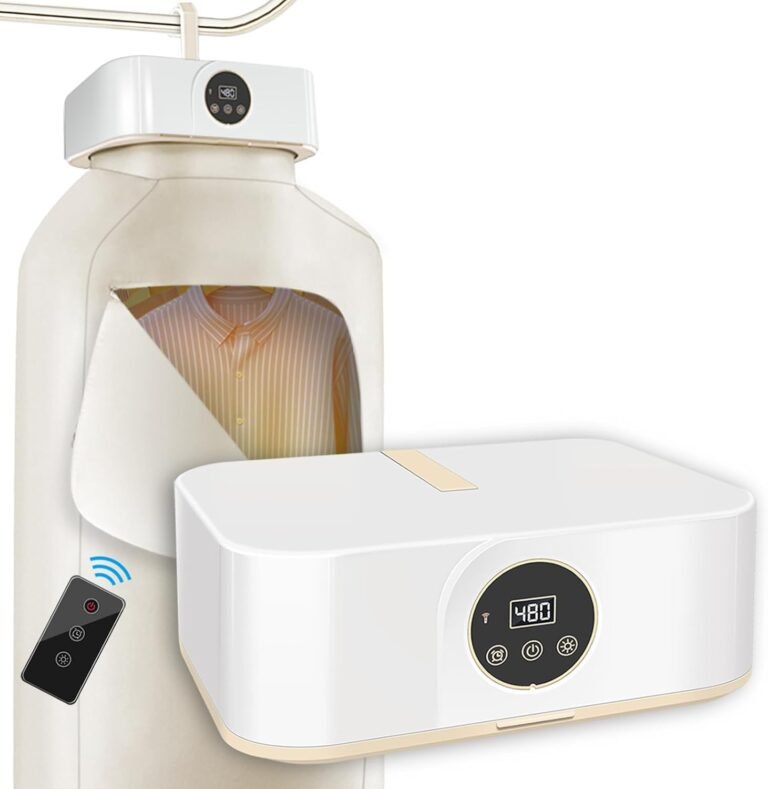
There is also a thing called a drying cabinet. This is a tall box with racks where you hang clothes vertically. Warm air circulates around the hanging garments.
This is not a traditional dryer. It is more common in Japan and parts of Europe. It is gentler on delicate items like sweaters and dress shirts. You won’t find one in most US homes, but the term exists in the industry.
What About the “Clothes Tumbler”?
Sometimes, you will see the phrase clothes tumbler on old patents or historical documents. This is an early industry term. It describes the rotating drum action that all modern dryers use.
We found that this phrase has largely faded out of common use. You might see it in vintage repair guides from the 1950s. But today, “tumbler” usually refers to a glass for your iced tea.
Simple Checklist to Identify Your Dryer Type
If you are confused about what kind of dryer you own, don’t worry. You can figure it out in about two minutes. Just look at the back or the top edge of the machine.
Grab a flashlight and check these physical clues. This checklist will help you use the right vocabulary when you buy parts or call for service.
- Check for a vent hose: If you see a big silver tube going into the wall, you have a vented dryer.
- Look for a water tank: If you see a pull-out plastic drawer full of water, you have a condenser dryer.
- Feel the back panel: A flat back with no hose hole means it is ventless.
- Look at the plug: A standard 240-volt plug is normal; a standard 120-volt might be a low-energy model.
- Read the model tag: Open the door and look for a sticker with the model number; it will say “vented” or “condenser.”
- Check the manual: If you have the manual, the technical name is right there on the front page.
Remember, the simple word “dryer” works in almost every situation. Professionals will understand you clearly. And now you have the extra vocabulary to sound like a pro yourself.
Conclusion
So, when you are in the US, just call it a dryer. That is the simplest and most common name. You will be understood everywhere, from the appliance store to a chat with a repair tech.
We covered a lot of ground. You now know about tumble dryers, vented and ventless models, and combo units. You also know how to spot the differences by looking at the back of your machine.
Your next step is simple. Take our checklist and look at your own dryer today. Figure out if it is vented, ventless, or a condenser model. Then you will be ready to shop, fix, or talk about your appliance with total confidence.
Frequently Asked Questions
Why do Americans say “dryer” but British people say “tumble dryer”?
It is just a regional language difference. Americans like to shorten appliance names, so we dropped “clothes” and just say dryer. The British kept the fuller phrase, which describes the tumbling action of the drum.
Is a tumble dryer the same thing as a clothes dryer?
Yes, they are exactly the same machine. Tumble dryer is just the more common term in the UK, Australia, and parts of Europe. In the US, we almost always use the term clothes dryer or simply dryer.
What is the difference between a vented and a ventless dryer?
A vented dryer pushes hot, wet air outside through a hose. A ventless dryer captures the moisture internally and either collects it in a tank or evaporates it. Vented dryers are more common in American homes, while ventless models are popular for apartments.
Can you call a washer-dryer combo just a dryer?
Technically, no, because it is both machines in one unit. You would call it a washer-dryer combo to be clear. If you just say dryer, people will assume you have a separate standalone machine.
Why do some people call a dryer a tumbler?
That is a casual nickname that comes from the machine’s rotating drum action. The drum literally tumbles your clothes. It is a term you might hear from older repair folks or tradespeople, but it is not common in everyday conversation today.