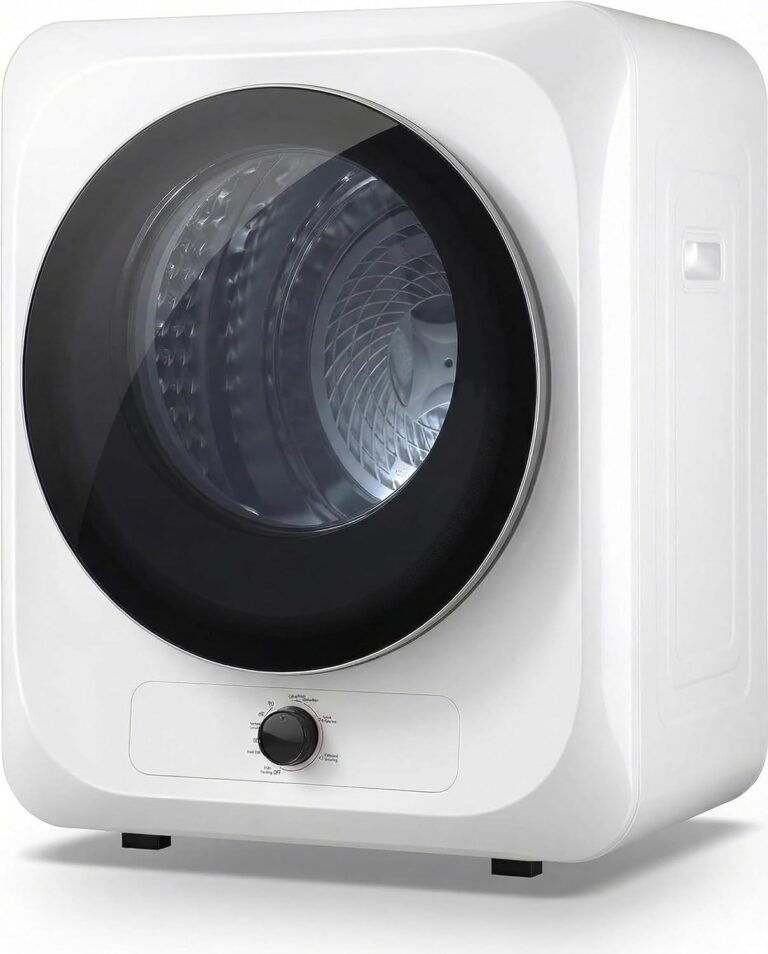
Why Your Dryer Has Water Inside and How to Fix It
You open your dryer to grab warm, dry clothes, and instead, you find a puddle. Water in your dryer usually means a clogged vent hose or a blocked lint screen, which traps moisture and causes it to condense. A less common but possible culprit is a failing door seal or a problem with the exhaust system itself. You see, the dryer’s job isn’t just to add heat; it’s to push humid air out of your home, and when that airflow is stopped, the water has nowhere to go but back into your machine.
This is a frustrating issue, but we found that it’s typically a simple fix you can handle yourself. Even if you have a ventless condenser dryer, water accumulating can point to a full water reservoir or a kinked internal hose. Ignoring the moisture can lead to mold and longer drying times, so catching it early matters. Many experts say that regular cleaning of the lint filter and vent pipe is the best defense against this damp dilemma.
- Instant answer: A clogged vent hose is the #1 cause of water pooling in your dryer.
- Secondary culprit: A blocked lint screen restricts the airflow needed to expel moisture.
- Check the seal: A damaged or loose door seal can let humid air escape and re-condense inside.
- Ventless units: If you have a condenser dryer, you simply need to empty the internal water tank.
- Prevention: Clean the lint trap before every load and inspect the vent yearly to avoid water buildup.
Below, we break down the most common reasons for this soggy situation and give you the exact steps to dry things out for good.
Understanding Why Moisture Pools Inside Your Dryer
Water in your dryer is more common than you might think. We found that most people assume the machine is broken, but in reality, the problem is almost always airflow-related. Your dryer works by pulling in air, heating it, and then pushing that damp air outside through a vent. When that path gets blocked, the moisture has to condense somewhere. That somewhere is usually the drum, the lint trap, or the floor around your machine.
Think of it like breathing through a straw. If you pinch the straw, you can’t exhale properly. Your dryer is the same. The heat builds up, the moisture stays trapped, and you end up with a soggy mess instead of fluffy towels.
The Vent Hose Is the First Thing to Check
The vent hose is the long, flexible tube that runs from the back of your dryer to the outside wall. It’s the number one culprit for water buildup. Lint, dust, and even bird nests can clog this tube over time. When that happens, humid air gets trapped inside the drum and turns back into water droplets.
We found that a simple visual inspection can tell you a lot. Pull the dryer away from the wall and look at the hose. Is it crushed? Is it kinked? Is there visible lint buildup at the connection points? Any of these can cause moisture to pool inside your machine. Many experts recommend checking this hose at least once a year (Consumer Product Safety Commission).
How to Test for a Blocked Vent
Here’s a quick trick. Turn the dryer on with an empty drum and set it to fluff or air dry. Then, go outside and hold your hand near the exterior vent flap. You should feel a strong, steady push of air. If you barely feel anything, you’ve got a blockage. It’s that simple.
If the airflow feels weak, disconnect the hose and run the dryer again. If the air is strong without the hose attached, the problem is inside the hose itself. If it’s still weak, the issue might be deeper in the wall vent.
The Lint Screen Is More Important Than You Think
We all clean the lint screen. But do you really clean it? A quick swipe of your hand often isn’t enough. Over time, a film of fabric softener residue builds up on the mesh. This film is invisible, but it acts like a solid wall. It blocks the airflow just as effectively as a clogged hose.
Research from the National Fire Protection Association shows that failure to clean the lint filter is a leading cause of dryer fires. That’s the scary version of this problem. The less scary version is that it causes water to pool in your drum. The fix is easy. Pull the screen out once a month and wash it with warm, soapy water. Let it dry completely before putting it back.
Mechanical Issues That Trap Water Inside the Drum
Sometimes the vent and lint screen are perfectly clean, but you still find water. That’s when you need to look at the machine itself. There are a few moving parts and seals that can fail. When they do, moisture gets a free pass to stay inside.
These issues are less common, but they happen. And knowing what to look for can save you a service call. We found that most of these problems are easy to spot with a flashlight and a few minutes of your time.
The Door Seal and Its Role in Moisture Control
The door seal is that rubber gasket that runs around the opening of your dryer. It keeps the hot air inside the drum so it can do its job. If the seal is torn, cracked, or even just misaligned, warm humid air escapes before it can be vented. That air then cools down on the outside of the drum and turns into water.
Run your hand along the seal (carefully, mind the sharp edges). Feel for tears or hardened spots. Also, check the area where the seal meets the door. If you see gaps, the seal needs to be replaced. It’s a cheap part and usually takes about fifteen minutes to swap out.
A Faulty Door Switch Can Cause a Hidden Problem
This one is sneaky. The door switch tells the dryer that the door is closed. If it’s failing, the dryer might run but not heat properly. It might also shut off mid-cycle. When the cycle stops early, clothes are left damp and the moisture settles in the drum. You open the door later and think you have a leak, but really, the cycle just didn’t finish.
If your dryer is stopping before the load is dry, test the door switch. You can do this with a multimeter if you’re handy. If not, listen for a solid click when you close the door. A weak or missing click is a red flag.
Ventless Dryers Have Their Own Set of Rules
Not all dryers have a vent hose. Ventless models use a heat exchanger and a condenser to pull moisture out of the air. Instead of pushing it outside, they collect the water in a small tank that you have to empty manually. If you have this type of dryer, water pooling inside the machine usually means the tank is full.
We found that many people forget this simple step. The dryer keeps running, but the water has nowhere to go. It overflows and ends up all over your floor or back into the drum.
Maintenance Tips for Condenser Dryers
Condenser dryers have a filter on the heat exchanger, usually located near the bottom of the machine. This filter collects lint and dust. If it gets clogged, the condenser can’t do its job. The result is the same soggy problem.
Clean this filter every few months. Also, check the internal hoses for kinks. Sometimes the hoses get pinched when you push the dryer back against the wall. That pinch blocks the water from draining into the collection tank.
External Factors That Push Moisture Back Inside
Sometimes the problem isn’t the dryer at all. It’s the environment around it. You can have a perfectly working machine and still find water in the drum. We found that the culprit is often something you’d never think to check.
Your dryer needs to push air out of your home. If it can’t, that air just cycles back inside. This can happen for a few reasons that have nothing to do with the machine itself.
High Humidity in Your Laundry Room
If your laundry room is already humid, your dryer will struggle. The air it pulls in is already saturated with moisture. It can’t absorb more water from your clothes. That extra moisture ends up condensing on the cool walls of the dryer drum. We found that running a dehumidifier in the room, or just opening a window, can make a huge difference.
This is especially common in basements. Basements are naturally cooler and damper than the rest of the house. If your dryer is down there, you might see water buildup even with a clean vent.
An Exterior Vent Flap That Won’t Open
The flap on the outside of your house is there to keep pests and cold air out. But sometimes it gets stuck. It could be painted shut, frozen, or just stuck from debris. When that flap won’t open, the exhaust air bounces right back into the dryer.
Go outside and check that flap. Push it open with your finger. It should move easily and spring back shut. If it’s stuck, clean around the edges and make sure it’s not blocked by leaves or spider webs.
How to Fix the Water Problem and Keep It Fixed
Now that you know the causes, it’s time to fix it. Most of these solutions take less than an hour. And you don’t need to be a handyman to do them. We found that a little routine maintenance goes a long way in preventing water from ever showing up again.
Start with the simplest fixes first. Clean the lint screen thoroughly. Check the vent hose for kinks. Make sure the exterior flap opens freely. Nine times out of ten, one of these will solve the problem.
| Problem | Signs to Look For | Easy Fix |
|---|---|---|
| Clogged vent hose | Weak outside airflow, long drying times | Disconnect and vacuum out the hose |
| Dirty lint screen | Water in drum, clothes take forever to dry | Wash with soap and water monthly |
| Torn door seal | Visible cracks or gaps in rubber gasket | Replace the gasket (cheap part) |
| Full condenser tank | Ventless model, water on the floor | Empty the tank every few loads |
| Stuck exterior flap | Dryer runs, but room gets steamy | Clean and lubricate the flap hinges |
Your Simple Monthly Routine
Prevention is always easier than fixing a mess. We found that spending five minutes a month on your dryer can save you from a soggy disaster. Here’s a simple checklist to keep your dryer dry and happy.
- Clean the lint screen with hot, soapy water every 30 days.
- Check the vent hose for kinks, crushing, or loose connections.
- Vacuum behind the dryer to remove dust and lint buildup.
- Test the exterior flap to make sure it opens and closes freely.
- Inspect the door seal for tears, cracks, or hardening.
- Empty the condenser tank after every load if you have a ventless model.
These six steps take almost no time at all. But they prevent the vast majority of moisture problems. You can also set a reminder on your phone to do a deep clean of the vent system every six months. It’s a small habit that pays off big.
When It’s Time to Call a Professional
Sometimes, despite your best efforts, the problem persists. If you’ve cleaned the vent, replaced the seal, and checked all the flaps, but water still appears, it’s time to call a pro. There could be a broken heating element, a faulty moisture sensor, or a damaged blower wheel.
We found that these internal parts are hard to diagnose without specialized tools. A licensed appliance technician can run a diagnostic test and pinpoint the exact issue in minutes. Spending a little money on a service call is often cheaper than buying a new dryer.
Remember, ignoring the water can lead to mold and mildew. That’s a health risk for you and your family. The Environmental Protection Agency warns that mold can trigger allergic reactions and respiratory issues. Don’t let a small problem turn into a big one.
Conclusion
Water in your dryer is almost never a sign that you need a new machine. In most cases, it’s a simple airflow issue you can fix in under an hour. We’ve shown you that a clogged vent hose, a dirty lint screen, or a stuck exterior flap are the usual suspects. Check those first, and you’ll likely solve the problem on your own.
Don’t wait until you see a puddle to take action. Make it a habit to clean your lint trap before every load and inspect your vent system every few months. That small routine protects your dryer, your clothes, and your home from moisture damage and mold. Your dryer works hard for you, so give it a little attention, and it’ll keep your laundry warm and dry for years.
Frequently Asked Questions
Is it normal for a dryer to have condensation inside the drum?
A little bit of moisture right after a cycle can be normal, especially if the room is cool. But if you see standing water or damp clothes at the start of a new load, something is blocking airflow. That’s not normal, and you should check your vent system and lint screen.
Can a clogged dryer vent cause water to leak from the bottom?
Yes, it absolutely can. When the vent is blocked, humid air has nowhere to go. That moisture condenses and can pool inside the machine, eventually leaking out the bottom. Clearing the vent hose usually stops the leak completely.
Why is there water in my dryer after running it on a cool setting?
Cooler air can’t hold as much moisture as hot air. So if you run a cool-down cycle, the humidity in the drum is more likely to condense into droplets. This is more common in humid weather or damp basements. It’s usually harmless, but it signals that your vent might not be moving air efficiently.
Is it safe to use a dryer with water pooling in it?
No, you should stop using it until you find the source. Standing water combined with heat and lint is a fire risk. It’s also a breeding ground for mold and mildew, which can harm your health. It’s always better to be safe than sorry.
Should I replace my dryer if it keeps filling with water?
Not yet. Many homeowners buy a new dryer only to find the same problem because the vent was the issue all along. We recommend a thorough cleaning of the entire vent path first. If the problem continues after that, a simple service call for a door seal or sensor is often cheaper than a brand-new appliance.