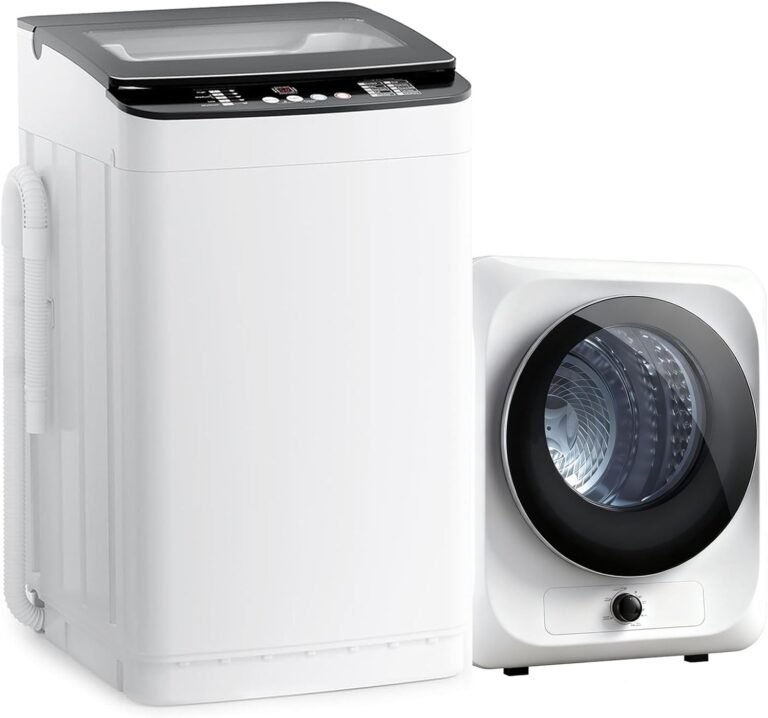
Does a Clothes Dryer Need to Vent Outside?
Yes, your clothes dryer needs to vent outside in almost every home setup. Vented dryers must push hot, damp air out of your house to work correctly and safely. When that air has nowhere to go, you end up with major moisture problems.
We found that venting to the outside is the only safe and legal option for most households. Trapped lint and humidity can damage your home and even create a fire risk. You might see kits that promise indoor venting, but they are not a real solution for daily use.
- It is required by most building codes for safety and fire prevention.
- Outdoor venting prevents mold and mildew from growing in your laundry room.
- It stops excess humidity from ruining your walls, paint, and woodwork.
- Indoor vent kits only work for a single load or two, but they still release lint into your air.
- Heat pump dryers are the only type that does not need a vent, but they are a different appliance.
Below, we break down exactly when you need an outside vent, what your alternatives are, and how to check if your current dryer setup is safe and up to code.
Why Your Dryer Needs an Outdoor Vent for Safety
You might think your dryer is just pushing out warm air. But it is actually pushing out a mix of moisture, lint, and combustion gases. That combo is a real problem indoors.
Every time you run a load, thousands of tiny lint particles escape with the airflow. The Consumer Product Safety Commission points to lint buildup as a leading cause of dryer fires. Without an outside vent, that lint lands on your floors, walls, and furniture.
The Fire Risk Nobody Talks About
Lint is highly flammable. It is basically a pile of tiny cotton fibers ready to ignite. When your dryer has no outdoor route, the lint has to settle somewhere.
We found that a huge number of house fires start from dryer vents each year. The National Fire Protection Association reports that dryers cause over 15,000 home fires annually. Most of those start because lint blocked the airflow.
An outdoor vent gives that lint a path out of your home. It is the single best way to protect your house from a preventable fire.
Carbon Monoxide Concerns with Gas Dryers
If your dryer runs on gas, you have a different safety issue. Gas burners produce carbon monoxide, a colorless, odorless gas that is deadly in high levels.
Your gas dryer is designed to push those gases outside. When you block that escape route, carbon monoxide can seep into your living spaces. The CDC warns that carbon monoxide poisoning sends thousands of people to the ER each year.
Outdoor venting is not just about convenience. It is a critical step for protecting your family from invisible dangers.
What Happens When You Vent a Dryer Indoors
Some products claim to let you vent inside. They usually involve a bucket of water or a filter attachment. But we found that these are short-term fixes, not real solutions.
The physics are simple. Dryers remove about a gallon of water from your clothes in a single load. That water has to go somewhere. If it stays inside, your home absorbs it.
The Humidity and Mold Problem
Indoor venting turns your laundry room into a swamp. That extra moisture collects on drywall, windows, and ceilings. It creates the perfect environment for mold and mildew to grow.
Mold is not just gross. Research from the Environmental Protection Agency links indoor mold to respiratory issues. You may notice a musty smell within weeks of indoor venting.
Walls can also warp and paint can bubble from constant humidity. We have seen laundry rooms ruined by just a few months of indoor dryer venting.
Lint in the Air You Breathe
Indoor vent kits do not catch all the lint. Fine particles slip through and float around your home. You end up breathing fabric fibers and dust every time you do laundry.
Experts say this can irritate your lungs and worsen allergies or asthma. The National Institute of Environmental Health Sciences notes that poor indoor air quality is a major health concern. Your dryer should not make your home’s air worse.
Plus, lint builds up on your furniture, electronics, and in your HVAC filters. It is an endless cleanup that you simply do not need.
Are There Situations Where You Can Skip the Vent?
Yes, but only in one very specific case. Heat pump dryers are built without vents. They recycle warm air inside a closed loop instead of pushing it out.
Heat pump dryers work differently. They cool the moist air, collect the water in a tank, and reuse the warm air. That means they do not need an outside opening.
Heat Pump Dryers as the Only Exception
We found that heat pump dryers are popular in Europe and growing in the US. They are energy efficient and gentle on clothes. However, they usually cost more upfront.
They also take longer to dry a load compared to traditional vented dryers. That is the trade-off for skipping the vent. If you live in an apartment or a home where venting is impossible, this may be your only real option. For apartment living, our roundup of the best apartment clothes dryers compares ventless models side by side.
For everyone else, a standard vented dryer is more affordable and faster. Just follow the code and vent it outside.
Building Codes and Legal Requirements You Should Know
Your local building code likely has rules about dryer vents. Most codes in the US require dryers to exhaust to the outside. This is not a suggestion, it is the law.
The International Residential Code states that dryer exhaust systems must terminate outside the building. Local jurisdictions adopt this code for new construction and major renovations.
If you sell your home with an improperly vented dryer, you may face inspection issues. Real estate inspectors check for this during home sales.
What the Code Says About Vent Material
Code is not just about venting outside. It also covers what materials you can use. Flexible plastic or foil ducts are not allowed in many areas.
Codes require smooth metal ducts for safety. These prevent lint from snagging and building up. Use 4-inch rigid metal pipe for the best airflow.
We found that flexible hoses are easy to crush or kink. A crushed hose traps lint and blocks moisture from escaping. That creates everything from longer dry times to fire hazards.
Common Dryer Venting Routes and Their Risks
You have options for where to place your vent. Each route has pros and cons. Let’s break down the most common setups so you can understand what works.
| Venting Route | Pros | Cons |
|---|---|---|
| Through an exterior wall | Shortest path, best airflow | Requires cutting a hole in wall |
| Through the roof | Works for interior laundry rooms | Prone to leaks, harder to clean |
| Through a floor or crawlspace | Hides the vent line | Lint buildup risk, moisture issues |
| Into an attached garage | Short run from laundry room | Usually not allowed by code |
Most professionals recommend venting through an exterior wall. It is simple, safe, and easy to inspect. Roof vents are harder to clean and can leak around the flashing.
Why Venting into a Garage Is a Bad Idea
Some people think a garage counts as outside. It does not. Garages are enclosed spaces with limited airflow.
Moisture from the dryer can cause rust on tools and metal items. It also creates a breeding ground for mold on drywall. Plus, the heat can raise temperatures in your garage to uncomfortable levels.
The research is clear that this is not a safe venting solution. Stick with the outside and skip the garage route.
How to Check If Your Current Dryer Vent Is Safe
If your dryer is already running, you should still check your vent setup. Many homes have hidden issues that need attention. Here is how you can do a quick safety check.
- Check the outdoor flap opens freely and closes when the dryer is off.
- Look for lint around the outdoor vent cover.
- Feel the airflow outside while the dryer is running. It should be strong.
- Check the duct material behind the dryer. Metal is good, plastic is not.
- Look for sharp bends in the duct that could trap lint.
- Listen for strange sounds that might mean a blockage.
We found that many people never look behind their dryer until something goes wrong. Take a few minutes today to inspect your setup. It could save you from a costly repair or worse.
Signs Your Vent May Be Clogged
Clothes taking longer to dry is the first sign. A clogged vent reduces airflow and makes your dryer work harder. You may also notice your laundry room feels very humid.
A burning smell is a serious red flag. That means lint is overheated inside the duct. Experts say you should address this immediately.
Finally, the outside flap may not open when the dryer runs. That means the pressure is not strong enough to push through the duct.
Ventless Drying Alternatives Worth Considering
What if you simply cannot vent outside? Maybe you live in an apartment or a rental. Do not panic, you still have workable options. Our guide to compact 120-volt ventless dryers covers the best picks for apartments and rentals.
A ventless dryer is the best solution. Heat pump and condenser dryers collect water instead of releasing it. They plug into a standard outlet and need no special venting.
Condenser Dryers vs. Heat Pump Dryers
Condenser dryers are simpler and slightly cheaper than heat pump models. They use air to cool the moisture and collect it in a reservoir. You just empty the tank after each load.
Heat pump dryers are more efficient because they reuse heated air. They cost more upfront but save money on electricity over time. Both are great choices for ventless homes.
Another option is a ventless drying rack or a spin dryer for delicate items. You can air-dry some clothes indoors without a machine. It is slower, but it is safe and simple.
The Bottom Line on Outdoor Dryer Vents
Your dryer absolutely needs to vent outside in the vast majority of cases. That is the shortest path to safety, legality, and peace of mind.
Venting outdoors removes moisture, lint, and gases from your living space. It protects your home from mold and your family from fire risk. The only exception is a ventless heat pump dryer.
If you have any doubt about your current setup, call a professional. A quick inspection can confirm you are safe. It is a small price for total peace of mind.
Your clothes, your home, and your health will thank you.
Conclusion
You now know the answer: your dryer needs to vent outside in nearly every home. That outdoor path keeps moisture, lint, and dangerous gases out of your living space. Skipping this step puts your home at risk for mold, poor air quality, and even fires.
Your best move is simple. Check your dryer vent today to confirm it leads outside and uses rigid metal duct. If you spot a plastic hose or a kinked line, replace it right away. For total peace of mind, hire a professional to inspect your setup. It is a quick job that protects everything you own.
Take action this week. Your family’s safety is worth the small effort.
Frequently Asked Questions
Can I just point my dryer vent hose out a window?
You can, but it is not a good long-term solution. A window setup lets moisture and lint blow back inside or against your house. It also leaves a gap for bugs and weather to get in. Use this only as a temporary fix while you plan a proper exterior vent.
How often should I clean my dryer vent?
You should clean your dryer vent at least once a year. If you dry heavy loads often, go for two times per year. Lint builds up faster than you think. A clean vent also helps your dryer work faster and use less energy.
Will a dryer still work if the vent is blocked?
The dryer will run, but it will not dry your clothes properly. A blocked vent forces the machine to work harder and longer. You will notice clothes coming out damp or hot. Eventually, the overheating can trip a safety switch or start a fire.
What is the maximum length for a dryer vent pipe?
Straight runs can be up to 25 feet of rigid metal pipe. Every bend or elbow reduces that allowance by about 5 feet. Stay under those limits for good airflow. Anything longer can trap lint and slow drying.
Do apartment buildings allow ventless dryers?
Most do, and they are the smart choice for apartments. Ventless dryers need no outside opening and plug into a standard outlet. They are safer for shared living spaces since they release no lint into the air. Check with your landlord before buying one.