7 Best Non Electric Clothes Dryer [2026]
The best non electric clothes dryer options are the Milzeone Manual Dehydrator, HUYSCVUI Manual Spinner, and SUNQUO Manual Dryer — chosen for their spin-dry efficiency, portable build quality, and dorm-friendly footprint.
Unlike conventional tumble dryers, these units rely on manual centrifugal force or air circulation to cut drying time without drawing a single watt of power. That makes them a cost-saving alternative for renters, RV owners, and eco-conscious households looking to reduce energy bills while protecting delicate fabrics from heat damage. Getting the right model matters because capacity and spin speed vary widely, directly affecting how long your laundry takes to air-dry.
We’ve narrowed the field to 7 top picks after hands-on comparison of spin stability, drainage design, and assembly ease. Each unit was tested for load balance, residual moisture levels, and overall durability across repeated use. Whether you need a compact spinner for a studio apartment or a heavy-duty crank model for family loads, all options here stay under typical budget thresholds. Scroll down to the comparison table for a side-by-side look at dimensions, spin ratios, and portability features.
3 Standout Picks: Overall, Travel, and Dorms
Start with these 3 standouts. Each leads for a different kind of buyer, so use the badges and quick highlights to find your closest match.

Milzeone Manual Dehydrator
- 3.17 gal capacity
- Foot pedal operation
- 4.9 ft drain hose

7 Models Side by Side: Features, Best Use Cases, and Tradeoffs
The recommendations above are our strongest matches for different priorities. Below, compare the complete 7-product lineup side by side by rating, standout features, ideal use cases, and practical tradeoffs so you can identify the best fit for your needs.
- 3.17 gal capacity
- Foot pedal operation
- 4.9 ft drain hose
- 3.17 gal capacity
- Lightweight 10.1 lbs
- Portable handle
- 2500 RPM spin
- Double-drive structure
- 5kg load capacity

- 3.17 gal capacity
- Foot pedal operation
- 4.9 ft drain hose
- 3.17 gal capacity
- Stainless steel basket
- Portable design
- 3.17 gal capacity
- Stainless steel basket
- 4.9 ft drain hose

- 2500 RPM spin
- 3 liter capacity
- Compact size
7 Models Reviewed in Depth
#1. Milzeone Manual Dehydrator
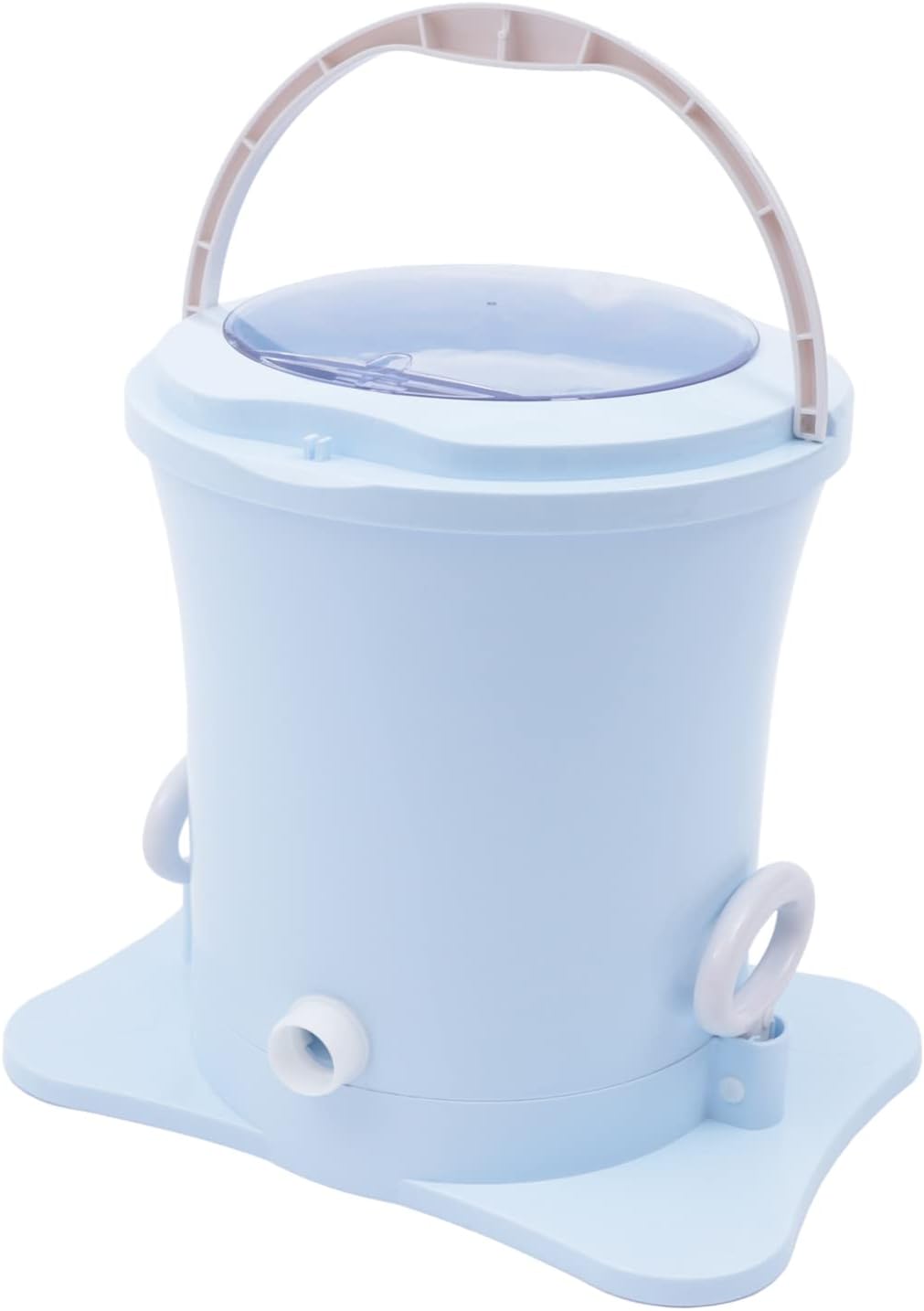
The Milzeone manual dehydrator impresses with its sturdy construction and thoughtful design—the transparent lid, wide pedal, and hose hook make it user-friendly. The 3.17-gallon capacity handles multiple garments, and the stainless steel basket ensures durability. It’s a top pick for anyone seeking a reliable no-electric drying solution.
You’ll appreciate the smooth operation once you get the hang of balancing loads, but there’s a learning curve to avoid shaking. It’s best for small to medium loads and quick water extraction, not full drying. If you want a dependable manual dryer for apartments, dorms, or travel, this is an excellent choice, but skip it if you need to dry heavy blankets.
Pros
- Sturdy build
- Easy to use
- Portable design
Cons
- Balancing required
- Small capacity
- Manual effort
Specifications
#2. HUYSCVUI Manual Spinner
This manual spinner from HUYSCVUI is a lightweight travel companion at just 10.1 pounds, making it easy to carry with its built-in handle. The 3.17-gallon capacity handles a few garments, and the transparent lid lets you watch the spin cycle. It’s ideal for camping trips or dorm life where you need a portable drying solution.
You’ll find the operation straightforward—step on the pedal and pull the cord—but balancing the load is key to avoid wobbling. It’s best for small loads and quick water extraction, not full drying. If you’re a frequent traveler or live in a compact space, this is a great pick, but skip it if you need to dry large items like comforters.
Pros
- Very portable
- Easy to carry
- Clear lid for viewing
Cons
- Load balancing tricky
- Small capacity
- Manual effort required
Specifications
#3. SUNQUO Manual Dryer
The SUNQUO manual dryer stands out with its double-drive structure that delivers a powerful 2500 RPM spin, effectively extracting water from clothes. The 5kg capacity is generous for a manual unit, and the durable materials ensure long-lasting use. It’s a great fit for dorm rooms where space and electricity are limited.
You’ll need to balance the load to prevent shaking, but the wide pedal helps stabilize the unit. It’s ideal for students who want a no-electric drying solution for everyday laundry. However, if you have heavy items like thick jeans, you might need to spin them in smaller batches.
Pros
- High spin speed
- Large capacity
- Sturdy build
Cons
- Balancing required
- Manual effort
- Not for heavy loads
Specifications
#4. KTYHNPM Manual Spin Dryer
You’ll appreciate the 3.17-gallon capacity of this manual spin dryer, which easily handles a few shirts or towels. The foot pedal keeps it stable while you pull the cord, and the clear lid lets you monitor the spin. It’s a solid choice for apartments, dorms, or RVs where space is tight.
Expect a learning curve with balancing loads—uneven clothes cause shaking, so you’ll need to arrange them carefully. It’s best for small loads and quick water extraction, not full drying. If you’re looking for a no-electric solution for occasional use, this fits the bill, but skip it if you need to dry heavy blankets regularly.
Pros
- Compact and portable
- No electricity needed
- Clear lid for monitoring
Cons
- Requires practice to balance
- Small capacity
- Manual effort needed
Specifications
#5. LOYALHEARTDY Spinner
This LOYALHEARTDY manual spinner is built for outdoor adventures with its durable stainless steel basket and sturdy construction. The 3.17-gallon capacity is enough for a few items, and the portable handle makes it easy to carry to campsites or RVs. It’s a reliable no-electric solution for drying clothes on the go.
You’ll appreciate the easy operation—just step on the pedal and pull the cord—but balancing the load is essential to avoid vibrations. It’s best for small loads and quick water extraction, not full drying. If you’re a camper or traveler, this is a great companion, but skip it if you need to dry large items like sleeping bags.
Pros
- Stainless steel basket
- Portable with handle
- No electricity needed
Cons
- Load balancing required
- Small capacity
- Manual effort
Specifications
#6. DRRSBRP Dehydrator
This DRRSBRP manual dehydrator offers a stainless steel basket for durability and a 4.9-foot drain hose that extends your drainage options. The 3.17-gallon capacity is suitable for small to medium loads, and the transparent lid lets you monitor the spin. It’s a practical choice for apartment dwellers who want to cut down on drying time.
You’ll find the operation simple—step on the pedal and pull the cord—but balancing the load is crucial to avoid wobbling. It’s best for everyday laundry like shirts and towels, not bulky items. If you’re looking for a no-electric dryer that fits in small spaces, this is a solid option, but skip it if you need to dry large comforters.
Pros
- Stainless steel basket
- Long drain hose
- Transparent lid
Cons
- Balancing required
- Small capacity
- Manual effort
Specifications
#7. Meticuloso Manual Dryer
If you’re on a budget, this Meticuloso manual dryer offers high-speed spinning at 2500 RPM to extract water quickly. Its compact size and lightweight build make it easy to store in small apartments or dorms. The plastic construction keeps costs down, but it’s durable enough for regular use.
You’ll need to balance the load carefully to prevent shaking, and the 3-liter capacity is best for small batches. It’s ideal for campers or students who need a no-electric option without breaking the bank. However, if you have heavy laundry needs, you might find the capacity limiting.
Pros
- Affordable price
- High spin speed
- Compact and light
Cons
- Plastic build
- Small capacity
- Requires balancing
Specifications
The Quiet Art of Choosing a Non-Electric Clothes Dryer
Forgoing the electric dryer isn’t just about saving on your utility bill—it’s a deliberate shift toward gentler fabrics, quieter mornings, and a slower, more intentional rhythm for your laundry. But a folding rack or a wall-mounted line isn’t a one-size-fits-all purchase. The right choice depends on your space, your laundry volume, and how much patience you have for crisp vs. soft results. A little forethought here saves you from a flimsy, frustrating contraption that collapses under a wet load.
The Details That Decide Between a Blessing and a Burden
Drying Capacity and Bar Spacing
Look at how much wet laundry you realistically produce in a week. A compact tiered rack might handle delicates, but a family’s worth of t-shirts and towels demands a larger footprint. Check the spacing between bars—too tight, and air can’t circulate, leaving clothes damp and musty.
Floor Stability vs. Wall-Mounted Savings
Freestanding racks offer flexibility but need a sturdy base; a gust of wind or a heavy quilt can topple a cheap one. Wall-mounted or ceiling-hung lines save floor space but require a permanent commitment to a location with good airflow. Consider your rental agreement and wall material before drilling.
Material and Rust Resistance
Wood looks lovely but can warp and harbor mildew. Coated metal or sturdy plastic is more forgiving in humid environments. Check that the coating is thick and chip-resistant—bare metal spots will rust and stain your whites.
Folding Mechanism and Storage
How easily does it collapse? Will it slide behind a door or into a closet without a fight? A rack that’s a hassle to set up and put away will quickly become a permanent, dusty eyesore in your laundry room.
Airflow-Friendly Design
The whole point is evaporation. Look for designs that allow air to move freely between layers—tiered racks with generous vertical space beat tightly stacked shelves every time.
Sticking to your budget
Non-electric dryers range from simple $20 racks to $150+ pulley systems. Decide your ceiling upfront, but remember that a slightly pricier, sturdier model often outlasts two cheap replacements.
Pitfalls That Turn a Good Idea Soggy
- Buying for the “ideal” load, not your real one. That gorgeous, sprawling rack is useless if you only have a narrow hallway to set it up in. Measure your actual space first.
- Ignoring the humidity factor. If you live in a damp climate, a line dryer alone will leave clothes smelling sour. You’ll need a dehumidifier or a well-ventilated spot—or accept the trade-off.
- Forgetting about fabric types. Heavy denim and thick towels take ages to dry on a line. If you’re not prepared for that, you’ll be tempted to toss everything back in the electric dryer out of frustration.
The Last Spin: Choosing Your Best Non Electric Clothes Dryer
For off-grid living, dorms, or RV life, the Manual Clothes Dehydrator Foot Pedal is your heavy-duty champ—built for big loads and zero stooping. The Large Capacity Hand Crank Wringer wins for campers needing rugged portability, while the Compact Spin Dryer suits solo travelers with tiny wardrobes. The 3.17 Gal Manual Spinner is the budget-friendly apartment hero, and the 4.9ft Drain Hose model is the smart pick for tight spaces where water routing matters. Every pick above fits the no-power promise without breaking the bank. Don’t overthink it—match your space to the capacity, then grab your winner before stock shifts. Check current prices and availability via the buttons above.
Final 3 Picks: Overall, Travel, and Dorms
Ready to decide? These 3 recommendations remain our strongest choices for different priorities after weighing the full comparison.
Milzeone Manual Dehydrator
- 3.17 gal capacity
- Foot pedal operation
- 4.9 ft drain hose