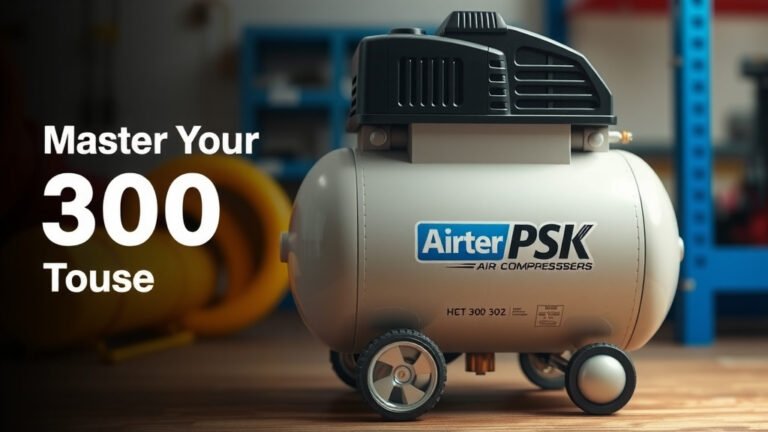
Master Your 300 PSI Air Compressor: A Simple Guide

Master Your 300 PSI Air Compressor: A Simple Guide

Using a 300 psi air compressor is straightforward once you understand the basics. You can get high-pressure air for demanding jobs by following key safety steps and knowing how to properly connect your tools. It’s all about managing that extra power safely. These compressors are built for tasks needing more force than standard models. Think…

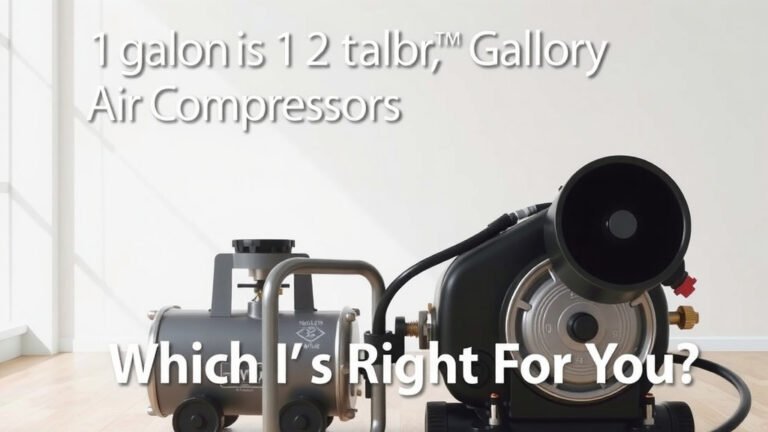
1 Gallon vs 2 Gallon Air Compressor: Which Is Right For You

1 Gallon vs 2 Gallon Air Compressor: Which Is Right For You

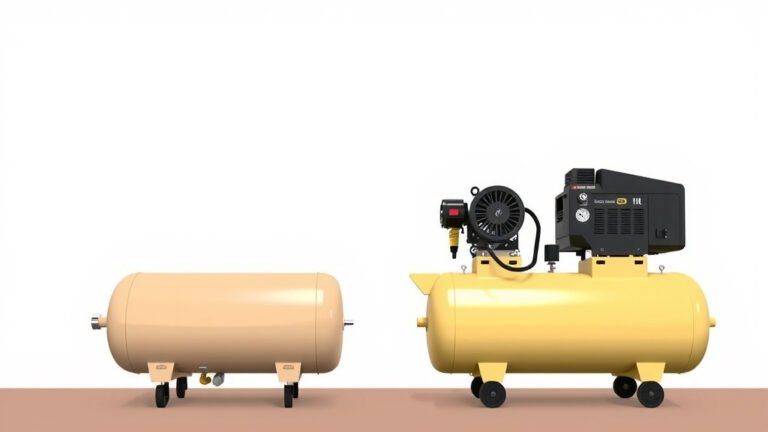
When choosing between a 1-gallon vs 2-gallon air compressor, the best choice depends entirely on your projects. A 1-gallon compressor is perfect for small, quick tasks like inflating tires or brad nailing. A 2-gallon compressor offers more air volume for slightly longer or more demanding jobs, like spray painting or impact wrench use. Think of…

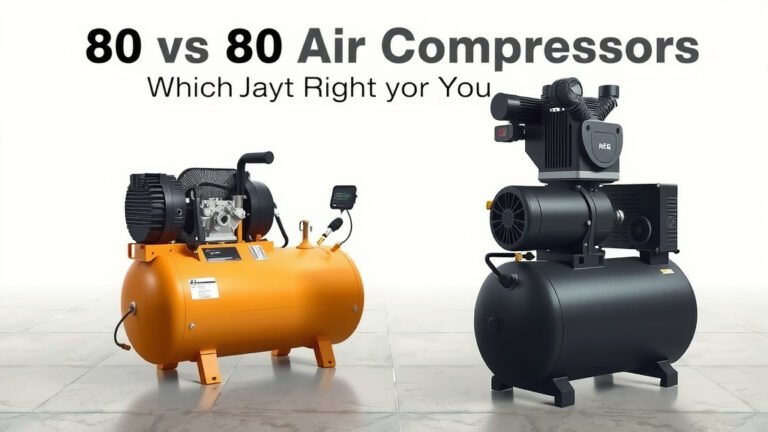
60 vs 80 Gallon Air Compressor: Which is Right for You

60 vs 80 Gallon Air Compressor: Which is Right for You

When choosing between a 60-gallon vs. 80-gallon air compressor, the 80-gallon model is generally better for continuous, heavy-duty use. You’ll get longer run times and more consistent air delivery. A 60-gallon compressor is still a solid choice for many workshops. It can handle many tasks, but might require more frequent rest periods. Think of it…

1 vs 2 Stage Air Compressor: Which is Right for You

1 vs 2 Stage Air Compressor: Which is Right for You

Choosing between a 1-stage and a 2-stage air compressor depends on your specific needs, with 2-stage models offering more power and consistency for demanding tasks. A 1-stage compressor is great for light-duty jobs, while a 2-stage compressor excels where you need a steady supply of high-pressure air for extended periods. Think of it like this:…

110V vs 220V Air Compressor: Which Is Right for You

110V vs 220V Air Compressor: Which Is Right for You

When choosing between a 110v and 220v air compressor, the primary difference lies in their power requirements and application. A 110v compressor is suitable for most household tasks and smaller workshops, while a 220v compressor is designed for heavier-duty industrial use requiring more airflow and pressure. Think of it like choosing between a sedan and…