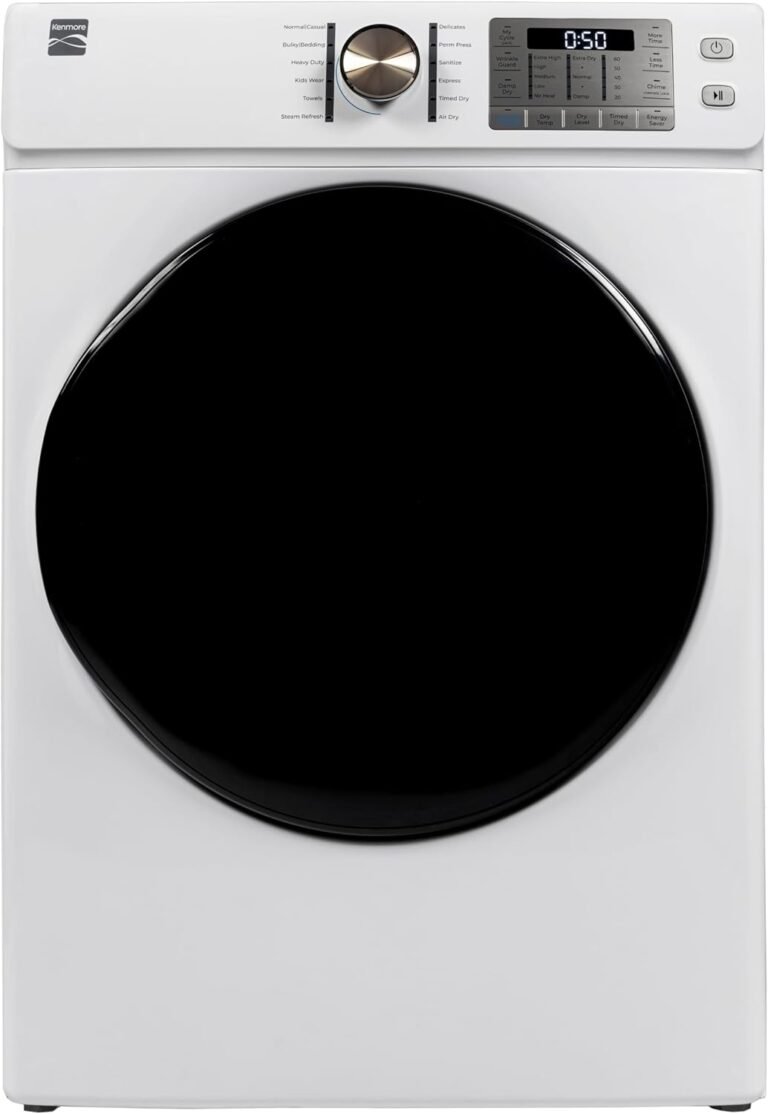
Clothes Dryer Energy Usage: How Much Power Do They Use
On average, a clothes dryer uses between 1,500 and 5,000 watts of power. That translates to roughly $0.30 to $0.90 per load, depending on your local electricity rates. If you dry four loads a week, that adds up to over $150 a year just to dry your clothes.
Your dryer is typically the second most energy-hungry appliance in your home, right behind the refrigerator. We found that most standard vented dryers use about the same amount of electricity, but heat pump dryers use up to 50% less energy. That difference matters a lot for your monthly utility bill.
TL;DR:
- A typical dryer costs between $0.30 and $0.90 per load to run.
- Your dryer uses about 3,000 watts on average per cycle.
- Heat pump dryers are the most efficient, using about half the energy of traditional models.
- Cleaning the lint filter after every load can cut energy use by up to 30%.
- Drying full loads, but not overloading, gives you the best energy savings.
Below, we break down exactly how much electricity your dryer uses, what that costs you, and the simple tricks that can shrink your energy bill without changing your routine.
What Determines Your Dryer’s Energy Use?
Your dryer’s power consumption isn’t a fixed number. It shifts based on the machine itself and how you operate it. We found that the biggest factors are the dryer type, the cycle you choose, and your home’s electrical setup.
Think of it like driving a car. A heavy SUV burns more gas than a compact sedan, even on the same road. Your dryer behaves the same way. The wattage rating tells you its maximum appetite, but real-world usage depends on your habits.
Dryer Types and Their Power Appetites
There are three main dryer types on the market today. Each one uses electricity differently. Here’s what we found when comparing them:
- Standard vented dryers use 3,000 to 5,000 watts per cycle.
- Condenser dryers use about 2,000 to 4,000 watts per cycle.
- Heat pump dryers are the clear winner, using only 1,200 to 2,000 watts per cycle.
The heat pump model recycles warm air instead of venting it outside. That’s why it sips electricity rather than gulping it. Many experts say that switch alone can cut your drying costs in half.
Voltage and Circuit Requirements
Most dryers in the US run on a 240-volt circuit. That’s double the voltage of standard outlets. This setup delivers the intense heat needed to evaporate water from heavy fabrics.
Some compact dryers run on 120 volts. They use less power but take longer to finish a load. That trade-off matters if you’re paying close attention to your monthly bill.
How Much Does a Single Load Really Cost?
Let’s get practical. You want to know what that spin cycle does to your wallet. We found that the average load costs between $0.30 and $0.90 to dry.
Here’s the simple math: Multiply your dryer’s kilowatt usage by your electricity rate. If your dryer uses 3,000 watts (or 3 kWh) and you pay $0.15 per kWh, that’s $0.45 per load.
Regional Electricity Rates Change the Picture
Your location plays a huge role in your drying costs. States with higher electricity rates will see steeper bills. We found that the same dryer can cost twice as much to run in California compared to Louisiana.
Check your latest utility bill to find your exact rate per kilowatt-hour. That number is your key to calculating personal dryer costs.
How Cycle Settings Affect Power Draw
Not all cycles are created equal. A heavy-duty cycle for jeans uses more heat and runs longer than a quick dry cycle. You’re paying for that extra work.
- High heat cycles draw maximum wattage.
- Low heat cycles use about 30% less power.
- Air fluff cycles use almost no electricity at all.
Match the cycle to the fabric. That simple habit can shave dollars off your monthly energy bill.
Why Heat Pump Dryers Are the Efficiency Champions
We found that heat pump dryers are the most energy-efficient option available today. They don’t just save a little energy. They use up to 50% less electricity than traditional vented models.
Instead of pushing hot air outside, they capture it. The moisture condenses out, and the warm air gets reused. It’s like reheating leftovers in the same pot instead of using a new pan each time.
The Real Cost of Switching to a Heat Pump Dryer
Heat pump dryers cost more upfront. You might pay $400 to $800 extra compared to a standard model. But we found that the energy savings can offset that cost within a few years.
If you dry five loads a week, the savings add up fast. Many utility companies also offer rebates for buying energy-efficient appliances. Check with your local provider before making the switch.
Where Heat Pump Dryers Fall Short
They’re not perfect. Heat pump dryers take longer to dry each load. A cycle that takes 45 minutes in a vented dryer might take 70 minutes in a heat pump model.
You also need to empty the water collection tank regularly. Unless you install a drain line, that’s one more chore to remember. But for many people, the energy savings are worth the extra time.
Simple Habits That Slash Your Dryer’s Energy Usage
You don’t need a new appliance to save money. Small changes to your routine can cut your dryer’s energy consumption by a third or more. We found that most households waste energy without realizing it.
Clean the Lint Filter Every Single Time
This is the easiest win. A clogged lint filter restricts airflow. Your dryer works harder and runs longer to dry the same load.
Research shows that a clean filter can reduce energy use by up to 30%. Make it a habit. Pull the filter, scrape off the lint, and pop it back in. It takes ten seconds.
Dry Full Loads But Don’t Cram Them In
A full dryer is more efficient than a half-empty one. You’re using the same heat for more clothes. But overloading causes problems.
When clothes are packed too tight, air can’t circulate. You’ll end up running a second cycle. We found that the sweet spot is filling the drum about three-quarters full.
Shake Out Clothes Before Loading
Wet clothes come out of the washer in a tangled ball. Shake each item before tossing it in the dryer. This separates the fabric and allows hot air to reach every surface.
It’s a tiny step with a big payoff. Clothes dry faster, and you use less energy overall.
Use Sensor Dry Instead of Timed Dry
Sensor dry cycles measure moisture levels and stop automatically. Timed dry keeps running even after clothes are bone dry. That wasted heat costs you money.
If your dryer has a moisture sensor, use it. We found that most people who switch to sensor dry cut their drying time by 15% or more.
Compare Dryer Energy Costs at a Glance
Here’s a quick breakdown to help you see the differences. We’ve used average US electricity rates for this comparison.
| Dryer Type | Average Wattage | Cost per Load | Yearly Cost (4 loads/week) |
|---|---|---|---|
| Standard Vented | 3,500 watts | $0.53 | $110 |
| Condenser | 3,000 watts | $0.45 | $94 |
| Heat Pump | 1,800 watts | $0.27 | $56 |
That table shows a clear story. Switching from a standard dryer to a heat pump model can save you over $50 every year. Multiply that by the ten-year life of an appliance, and you’re talking about serious money.
Energy-Saving Checklist for Your Laundry Routine
Ready to trim your dryer’s energy usage? Start with this simple checklist. We found that these five actions deliver the best return for your effort.
- Clean the lint filter before every single load.
- Switch to sensor dry mode instead of timed cycles.
- Dry full loads but leave room for airflow.
- Shake out each garment before loading the dryer.
- Use low heat for synthetic fabrics that dry quickly.
- Consider air-drying delicate items on a rack.
Pick one or two of these to start. Once those become automatic, add another. Small habits compound into real savings over time.
When It’s Time to Replace Your Dryer
Sometimes, an old dryer is just too inefficient to keep running. We found that dryers older than 10 years typically consume 20-30% more energy than modern models. That’s a lot of wasted electricity.
Signs Your Dryer Is Working Too Hard
Pay attention to how your dryer behaves. If it takes longer to dry clothes than it used to, something is wrong. It might be a failing heating element or a blocked vent.
Unusual noises or excessive heat in the laundry room are red flags. These problems don’t just waste energy. They can create fire hazards. The National Fire Protection Association warns that dryers cause thousands of home fires each year.
Look for the Energy Star Label
When you shop for a new dryer, look for the Energy Star certification. These models meet strict efficiency guidelines set by the US government. We found that Energy Star dryers use about 20% less energy than standard models.
Heat pump dryers are the only type that qualify for Energy Star status. That’s how efficient they are. It’s the gold standard for dryer efficiency today.
What About Venting and Airflow?
Your dryer’s venting setup matters more than you might think. A crushed or blocked vent line forces your dryer to work harder. We found that a restricted vent can increase drying time by 50% or more.
Check Your Vent Hose Regularly
Inspect the flexible hose behind your dryer at least twice a year. Look for kinks, crushing, or visible lint buildup. Straighten any bends and clear out debris.
This simple maintenance keeps your dryer running efficiently. It also reduces the risk of lint buildup causing a fire. It’s a win for your wallet and your safety.
The Bottom Line on Dryer Electricity Consumption
Your dryer is a heavy hitter on your electric bill. We found that it accounts for about 6% of the average home’s energy usage. That puts it right behind major appliances like your fridge and water heater.
The good news is that you have control. Whether you adjust your habits or invest in a heat pump model, there are real ways to cut costs. Every little change adds up to meaningful savings.
Start small. Clean that lint filter. Shake out your clothes. Use the sensor setting. You might be surprised how much you save just by paying attention.
Conclusion
Your dryer doesn’t have to be the energy hog of your home. You now know the numbers, the costs, and the tricks that actually work. Cleaning the lint filter, using sensor dry, and shaking out clothes can trim your usage by a third or more.
If you’re shopping for a new model, a heat pump dryer is worth the upfront cost. It pays you back in energy savings every single month. But you don’t need new equipment to start saving today.
Pick one habit from this guide and start tonight. Clean that filter before your next load. Once that feels automatic, add another change. Your utility bill will thank you.
Frequently Asked Questions
How many kWh does a clothes dryer use per load?
A standard vented dryer uses between 1.5 and 5.0 kWh per load. The average falls around 3 kWh. Heat pump dryers use roughly half that amount.
Check your dryer’s wattage rating and multiply it by the hours you run the cycle. That gives you the exact kWh figure for your machine.
Is it cheaper to dry clothes at night?
It can be, if your utility company offers time-of-use pricing. Some providers charge lower rates during off-peak evening hours. That could cut your drying cost by 20% to 30%.
Check your electricity bill or call your provider to confirm. Not every plan offers this discount, so verify before changing your routine.
Does a dryer use more electricity if it runs longer?
Yes. The longer your dryer runs, the more electricity it consumes. A cycle that takes 60 minutes uses double the energy of a 30-minute cycle.
That’s why fixing airflow issues and cleaning the lint filter matters so much. A dryer that runs efficiently finishes faster and costs less per load.
Can I run my dryer on a regular 120-volt outlet?
Most standard dryers require a 240-volt outlet. Some compact or portable models run on 120 volts instead. You’ll need a dedicated circuit either way.
Check the owner’s manual before plugging anything in. Running a 240-volt dryer on a 120-volt outlet can trip breakers and damage the machine.
What is the cheapest way to dry clothes?
Air drying is the cheapest option by far. A drying rack or clothesline costs nothing to run. You’ll save every cent you’d otherwise spend on electricity.
If you must use a dryer, a heat pump model with sensor dry mode is your most economical choice. Combine that with full loads and clean filters for maximum savings.