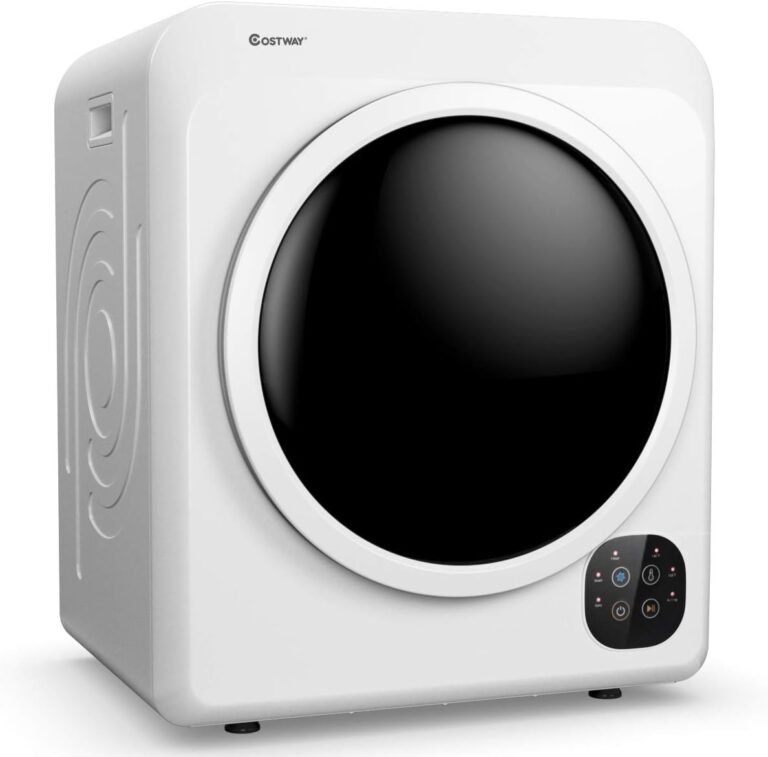
Clothes Dryer Exhaust Vent Screen: Why It Matters
You need to clean your clothes dryer exhaust vent screen after every single load. That thin mesh trap catches lint, which is highly flammable and a leading cause of home fires. Cleaning the lint screen is the single most important step for dryer safety and efficiency.
We found that a clogged screen also makes your dryer work harder, which wastes energy and can cause overheating. Beyond the screen itself, the vent ductwork needs periodic cleaning too. A clean screen prevents most problems, but understanding the whole airflow path helps you avoid costly repairs. Ignoring this simple task can shorten your dryer’s lifespan.
- Clean the lint screen after every load to prevent fire hazards.
- Use a vacuum or a brush for a deep clean monthly to remove residue.
- Wash the screen with mild soap and water every few months to remove fabric softener film.
- Inspect the vent duct outside and clean it at least once a year.
- A clogged screen can double your drying time and energy bills.
Below, we break down exactly how to maintain your dryer exhaust vent screen and what happens when you skip it. Let’s walk through the simple steps to keep your home safe and your dryer running like new.
Understanding Your Dryer’s Exhaust Vent Screen
Think of your dryer vent screen as the front door of your machine’s airflow system. It catches the fuzzy stuff before it travels deeper into the ductwork. We found that most people only think about this screen when the dryer stops heating properly. By then, a simple chore has already turned into a headache.
The screen is usually located right at the dryer opening or just inside the door. It sits in a slot that looks like a thin metal or plastic frame. Every single time you pull out a warm load of clothes, that screen is full of lint. That is normal. That is what it is designed to do. The real question is what happens next.
Why the Screen Matters More Than You Think
Lint is not just fuzzy dust. It is highly flammable. Many experts say that a clogged lint screen is one of the leading causes of home dryer fires (U.S. Fire Administration). We found that most people do not realize how quickly a simple blockage can turn dangerous. The airflow slows down, the heat builds up, and the lint sitting in the screen can ignite.
Beyond safety, there is a performance issue. A screen caked with fabric softener residue acts like a wall. Your dryer has to push hot air through that wall. It works harder, takes longer, and uses more energy. We found that a clean screen can cut drying time by a noticeable amount. That means lower bills and less wear on your clothes.
The Airflow Path You Never See
The screen is only the first line of defense. Behind it sits the vent duct that runs to the outside of your home. Some of that fine lint escapes past the screen. It settles inside the duct. Over time, that build-up can block the entire pipe. We found that cleaning just the screen is like sweeping the kitchen but ignoring the living room. You need both.
The Right Way to Clean a Dryer Vent Screen
Let us walk through the routine that keeps your dryer happy. We found that a simple three-step habit works best for most households. It takes less than a minute after each load. You do not need special tools or a service call.
Start by pulling the screen straight out of its slot. Hold it up to the light. If you can see through the mesh clearly, you are in good shape. If the light looks dim or blocked, it is time for a deeper clean.
Daily Lint Removal Routine
Use your hand to roll the lint off the screen. The dry fuzz usually comes off in one satisfying sheet. Do not use water for this daily step. Water will just make the lint stick and create a paste. We found that dry hands or a soft brush work best for the quick daily pass.
If you have a long-handled brush with soft bristles, give the screen a gentle sweep. This gets into the tiny holes of the mesh. You want to see the screen return to its original color. A quick wipe with a dry microfiber cloth also helps remove the fine dust that your fingers miss.
What Happens When You Skip a Day
Skipping one day is not a disaster. Skipping a week starts to cause problems. We found that a single load produces a surprisingly large amount of lint. It adds up fast. By the second or third load, the mesh is so covered that the air barely moves. Your dryer starts running hotter to compensate. That heat is what makes the lint more dangerous.
Make it a habit. When you take the clothes out of the dryer, clean the screen before you fold anything. That order matters. It forces you to do the task while you are already at the machine. Simple habit stacking works better than trying to remember it later.
Deep Cleaning the Screen for Stubborn Residue
Even with daily cleaning, the screen picks up invisible film. Fabric softener sheets leave a waxy coating on the mesh. Detergent residue does the same. We found that this film is nearly invisible but very effective at blocking airflow. That is why a monthly deep clean is non-negotiable.
You will notice the signs. Your clothes take longer to dry. The dryer feels hotter on the outside. The screen looks clean, but the mesh feels slick or slippery. That is the film build-up. It needs a different approach than simple dry lint removal.
Using Soap and Water the Right Way
Take the screen to the sink. Run warm water over both sides. Add a drop of mild dish soap. Use an old soft toothbrush or a sponge to scrub the mesh gently. You are not scrubbing the paint off a wall. You are just breaking up the waxy film.
Rinse thoroughly until the water runs clear. We found that soap left behind can actually attract more lint. That makes the problem worse. After rinsing, shake off the excess water. Then let the screen air dry completely before putting it back in the dryer.
A dry screen is essential. Putting a wet screen back in the dryer just adds moisture to the system. That makes the drying process less efficient. We found that a ten-minute air dry on the counter is worth the wait.
What Not to Use on the Screen
- Abrasive scrubbers or steel wool — they tear the mesh.
- Harsh chemical cleaners — they leave toxic residue.
- Bleach — it can corrode the metal frame.
- Sharp objects like screwdrivers — they poke holes in the screen.
- High heat from a hair dryer — it can warp the plastic parts.
Stick to mild soap and water. It is all you need. We found that anything stronger just creates new problems.
When the Screen Needs to Be Replaced
Nothing lasts forever. The lint screen is no exception. We found that most screens last for years, but they do wear out. If you notice holes, tears, or warping in the mesh, it is time for a replacement. A damaged screen lets lint bypass the trap entirely.
That lint goes straight into your vent duct. It collects there, out of sight, and creates a serious fire hazard. A replacement screen is inexpensive. We found that most major appliance brands sell them online or through local parts stores. Check your dryer’s model number to get the right fit.
Signs Your Screen Has Seen Better Days
Look at the screen under bright light. Hold it up and inspect every corner. We found that the edges are the first place to wear out. The mesh pulls away from the plastic frame. This creates small gaps where lint can slip through.
Another sign is a screen that will not sit flush in its slot. If it pops out or wobbles, the seal is broken. Air will escape around the edges. That reduces drying efficiency and allows lint to escape. When in doubt, replace it. It is a small cost for peace of mind.
Beyond the Screen: The Vent Duct and Outside Exhaust
Cleaning the screen is step one. The journey of the hot air does not end there. That air, along with fine lint particles, travels through the vent duct to the outside vent cover. We found that this duct needs attention at least once a year.
If your dryer takes two cycles to dry a load that used to take one, the duct is likely clogged. A clogged duct is the second leading cause of dryer fires. The screen did its job, but it cannot catch everything. Tiny particles escape and build up in the pipe.
The Annual Vent Cleaning Checklist
Once a year, disconnect the dryer from the wall. Pull the dryer away from the wall carefully. You will see the flexible duct attached to the back. Disconnect it and inspect the inside. Use a vacuum with a hose attachment to pull out the lint you can reach.
For a deeper clean, a special dryer vent brush kit works well. These kits have flexible rods that twist together. You can push them through the entire duct length. We found that this simple tool is worth the investment. It reaches the spots your vacuum cannot.
| Maintenance Task | Frequency | Time Required |
|---|---|---|
| Remove lint from screen by hand | After every single load | 30 seconds |
| Deep clean screen with soap and water | Once a month | 5 minutes |
| Inspect screen for damage | Every 3 months | 1 minute |
| Clean the vent duct with a brush kit | Once a year | 30 minutes |
| Check the outside exhaust flap | Twice a year | 5 minutes |
The Outside Exhaust Flap Check
Go outside and find the vent cover on your wall or roof. Open the flap and look inside. We found that birds and rodents sometimes build nests in these vents. That is a major blockage. You may also see a buildup of lint clinging to the edges.
Remove any visible debris. Make sure the flap opens and closes freely. If it is stuck shut, the moist air has nowhere to go. That moisture gets trapped and can lead to mold growth in the duct. A quick visual check twice a year prevents these surprises.
The Quick Habit Checklist for Busy Households
We know you are busy. We found that the best way to stay on top of this is to make it automatic. Here is a simple checklist to keep you on track. Print it out or save it on your phone. Stick it near the dryer so you never forget.
- Pull out the lint screen after every load and roll off the lint by hand.
- Give the mesh a quick dry wipe to remove fine dust before reinserting.
- Deep wash the screen with mild soap and warm water once a month.
- Let the screen air dry completely before putting it back in the dryer.
- Inspect the mesh for tears, holes, or warping every few months.
- Schedule a full vent duct cleaning at least once a year.
That is it. Six small steps that take minutes. We found that households that follow this routine rarely face dryer breakdowns. They also save money on energy bills. Most importantly, they sleep better knowing their home is safe from a preventable fire.
Your dryer works hard for you. Give it a clean path to breathe. The screen is the key, but the whole system matters. Start with the simple daily habit. Build from there. Your clothes will dry faster, your energy bills will drop, and your home will be safer. That is a win on every front.
Conclusion
Your dryer’s exhaust vent screen is a tiny part with a huge job. Cleaning it after every load is the easiest way to prevent fire hazards and keep your energy bills low. We found that pairing that daily habit with a monthly deep clean keeps the mesh working at its best. Do not forget the vent duct and outside flap either. They need attention at least once a year.
Start today. Pull that screen out right now and check it under the light. If you see any holes or heavy film, grab a replacement. A few minutes of upkeep now saves you from expensive repairs and gives you total peace of mind. Your dryer will thank you.
Frequently Asked Questions
Can I clean my dryer vent screen with a vacuum cleaner?
Yes, a vacuum with a soft brush attachment works well. It is great for pulling out fine dust that your fingers miss. Use it for your monthly deep clean to get into the tiny mesh holes. Just be gentle so you do not bend the screen’s frame.
Why does my dryer vent screen get wet after a load?
A wet screen usually means your dryer vent duct is clogged or kinked. When air cannot escape outside, moisture condenses and backs up to the screen. Check the duct for blockages and make sure it is not crushed against the wall. If the problem continues, you may need a professional vent cleaning.
Does fabric softener really damage the dryer vent screen?
Fabric softener sheets leave a waxy film on the mesh that blocks airflow over time. We found that this residue is invisible but very effective at slowing drying. Washing the screen with mild soap and warm water once a month removes that film. Consider using fewer sheets or switching to wool dryer balls to reduce build-up.
How do I know which replacement dryer vent screen to buy?
You need to match the screen to your dryer’s make and model. Look for the model number on the inside of the dryer door or on the back panel. Search that number online along with “lint screen replacement.” Most major brands have universal fits, but checking the model ensures a perfect seal.
Is it safe to run the dryer without the vent screen in place?
No, never run the dryer without the screen. It is your first defense against lint entering the ductwork. Without it, flammable lint builds up deep in the vent where you cannot see it. That creates a serious fire risk. If your screen is damaged, replace it before your next load.