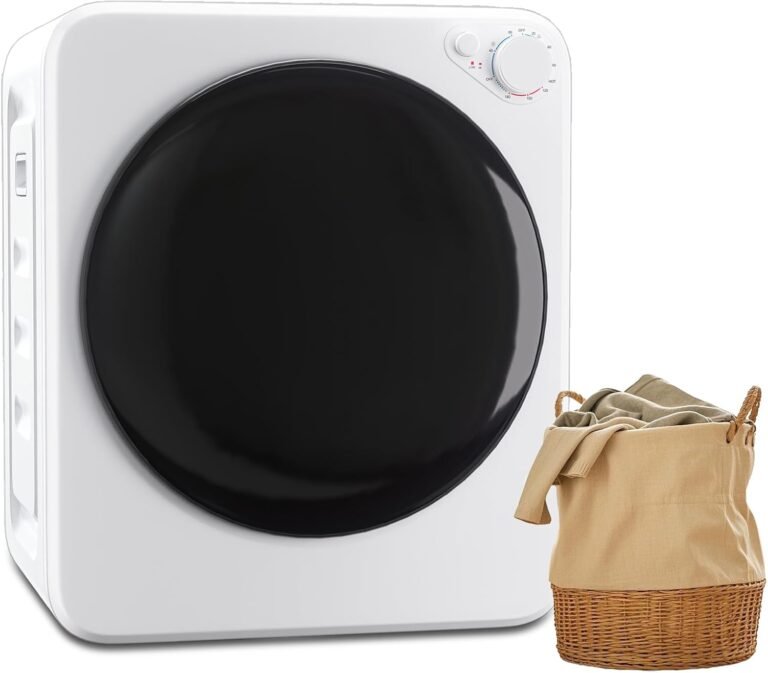
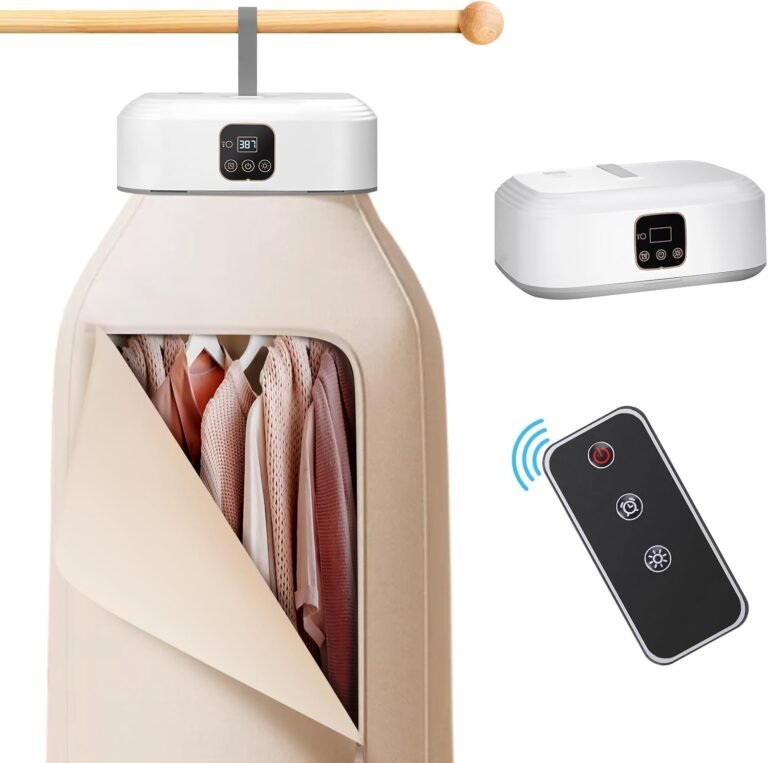
Heat Pump vs Vented Dryers: Key Differences
If you’re comparing a clothes dryer heat pump vs vented, the heat pump model wins on energy savings, but a vented dryer wins on upfront cost. A heat pump dryer recycles warm air to dry your clothes, so it uses about half the energy. A vented dryer pushes moist air outside through a hose, making it cheaper to buy but pricier to run.
We found that this choice isn’t just about the price tag. It’s also about your home’s setup, your laundry habits, and how much you care about fabric care. Heat pump dryers are gentler on clothes and don’t need an exterior vent, which gives you more placement options. Vented dryers are simpler, faster, and usually easier to repair. The right pick really depends on what matters most to you.
- Winner for energy bills: Heat pump dryers use up to 50% less electricity.
- Winner for upfront cost: Vented dryers are typically $300–$600 cheaper.
- Winner for installation flexibility: Heat pump dryers only need a standard outlet, no vent hose.
- Winner for drying speed: Vented dryers finish loads faster, usually in 45–60 minutes.
- Winner for fabric care: Heat pump dryers use lower temperatures, so clothes last longer.
Below, we break down exactly how each dryer works, the real costs, and which one fits your home best. Let’s walk through the full comparison so you can make a confident choice.
Heat Pump vs Vented Dryers: The Core Differences
So, you’re staring at two machines that both dry clothes, but they work in completely different ways. It’s like comparing a microwave to a conventional oven. Both cook food, but the process and the results are totally different.
We found that the biggest split comes down to how each dryer handles the warm, damp air it creates. That single difference drives everything else: cost, speed, and even where you can put the machine in your house.
How a Vented Dryer Works
A vented dryer is the classic machine most of us grew up with. It pulls in room air, heats it up, and blows it through your tumbling clothes. That hot, wet air then gets pushed out of the machine through a big flexible hose.
That hose has to lead somewhere. Usually, it goes out through a hole in your wall to the outside of your house. This is a simple, brute-force method. It works fast because the dryer is constantly pulling fresh, dry air from the room.
The trade-off? You are literally throwing your home’s heated or cooled air right out the window. Many guidelines point out that this is a major source of energy loss (U.S. Department of Energy).
How a Heat Pump Dryer Works
Here’s where things get clever. A heat pump dryer is a closed-loop system. It doesn’t vent air outside. Instead, it recycles the air inside the drum.
Think of it like a dehumidifier and a space heater working together. The machine heats the air, dries your clothes, and then pulls the damp air through a refrigerant coil. That coil cools the air, causing the moisture to condense into water. That water goes down a drain or into a tank you empty.
The now-dry air gets reheated and sent back into the drum. Because the heat is trapped in a loop, the machine doesn’t need to work as hard to reheat air from scratch. That is why it uses about half the energy of a vented model.
Upfront Price vs. Long-Term Energy Bills
Let’s talk dollars and cents, because that’s usually the first thing on your mind. We found that the price gap between these two is shrinking, but it’s still noticeable.
A solid vented dryer will set you back around $600 to $900. A comparable heat pump model usually starts closer to $1,100 and can climb past $1,500. That is a real difference in your wallet on day one.
Why Vented Dryers Are Cheaper to Buy
Vented dryers are simpler machines. They have a heating element, a motor, and a fan. There are fewer parts, and the technology has been around for decades. Manufacturing them is cheap, and competition keeps prices low.
They are also easier to repair. A local appliance tech can usually fix a vented dryer with common parts. That lower repair cost matters as the machine ages.
The Energy Savings Math for Heat Pump Dryers
Here is where the heat pump dryer fights back. Over a 10-year lifespan, that energy efficiency adds up fast. We found that a typical family does about 300 loads of laundry a year. At current average electricity rates, the savings are substantial.
Many experts say you can expect to save between $100 and $200 per year on your utility bill with a heat pump model. Over that 10-year span, you are looking at $1,000 to $2,000 saved. That easily covers the higher sticker price.
If you live in a state with high electricity rates, like California or New York, the payback period is even shorter. You might break even on the price difference in just three or four years.
Installation: The Venting Dilemma
This is often the deciding factor for most people. It is not about cost or features. It is about what your house can physically support.
A vented dryer requires a vent path. You need to cut a hole in an exterior wall or run a long hose to a window. This can be a deal-breaker for apartments, condos, or interior laundry rooms.
Flexibility with a Heat Pump Dryer
A heat pump dryer only needs a standard 120-volt outlet and a place to drain water. You can put it in a hallway closet, a bathroom, or a basement corner. This is a massive advantage if your laundry area is in the middle of your home.
We found that this flexibility often opens up renovation options. You can move the laundry room entirely without worrying about punching new holes in your siding. That alone can save you hundreds in installation costs.
Just remember you will need to empty the water reservoir. Most models have a tank that holds about a gallon of water. You will dump it every few loads, or you can hook it up to a floor drain.
When Vented Installation is Fine
If you already have a vent in your wall, a vented dryer is a no-brainer to install. You just plug it in, attach the hose, and go. It is a 15-minute job for most DIYers.
But if you are starting from scratch, the vent installation is a pain. Cutting a 4-inch hole through brick or stucco is messy. You might need to hire a professional, which adds $200 to $500 to the total cost. Suddenly, the price difference between the two dryers shrinks.
Drying Speed and Fabric Care
Let’s get into the daily reality of using these machines. You care about how long it takes, and you care about whether your favorite sweater survives the cycle.
The heat pump dryer is the gentler option. Because it recycles air, it operates at much lower temperatures. Your clothes are exposed to consistent, mild heat. That is great for your delicates.
We found that heat pump dryers are much easier on elastic, spandex, and synthetic fibers. Your workout gear won’t get that crunchy, stiff feeling as quickly. Your towels stay fluffy for longer.
The Speed Difference is Real
Here is the honest truth: vented dryers are faster. They blow hot, dry air at your clothes continuously. A typical mixed load takes 45 to 60 minutes in a vented dryer.
A heat pump dryer works at a slower pace. The same load might take 70 to 90 minutes to finish. That is a big time difference, especially if you are doing laundry late at night.
But the story has a twist. Heat pump dryers are often better at drying heavy items evenly. A vented dryer might dry the outside of a thick comforter while leaving the center damp. The heat pump’s steady, lower heat penetrates better, so you are less likely to run a second cycle.
Key Differences at a Glance
If you are a visual person, this quick reference table might help. We found that breaking it down side-by-side makes the choice clearer.
| Feature | Heat Pump Dryer | Vented Dryer |
|---|---|---|
| Energy Use | Uses about half the electricity | Higher energy consumption |
| Upfront Cost | $1,100 – $1,500+ | $600 – $900 |
| Installation | Standard outlet only, no vent needed | Requires exterior vent hose |
| Drying Time | 60 – 90 minutes per load | 45 – 60 minutes per load |
| Fabric Care | Low heat, very gentle on clothes | High heat, can be harsh over time |
| Maintenance | Empty water tank, clean filters | Clean lint trap, check vent duct |
Lint and Maintenance Considerations
Every dryer produces lint. It is a fact of life. But how you deal with that lint differs between the two types.
With a vented dryer, lint builds up in the exhaust hose over time. You have to disconnect the hose and vacuum it out periodically. If you skip this, you risk a fire hazard and reduced airflow.
Heat pump dryers have a slightly different issue. They have multiple filters you must clean after every single load. There is usually a main lint screen and a secondary filter for the condenser coils. It is more involved than just pulling out one trap.
We found that if you are not diligent about cleaning these filters, the dryer will lose efficiency quickly. It will start taking even longer to dry your clothes.
What About Noise and Humidity?
Nobody talks about this in the showroom, but it matters at 10 PM on a Tuesday. The noise level and the impact on your room’s climate are important.
Heat pump dryers are noticeably quieter. They use a compressor, which hums, but there is no loud blower pushing air through a big hose. They also don’t change the temperature of your laundry room much.
Vented dryers are workhorses. They are loud. The fan is powerful, and the air whooshing through the metal hose can be rattling. They also pull conditioned air from your house and blow it outside.
This means your AC or heater has to work harder to replace that air. In the summer, your laundry room might feel hot and humid. In the winter, you are literally pumping warm air outside.
Which One Fits Your Home Best?
There is no universal winner here. It comes down to your specific situation. We found that asking yourself a few direct questions will lead you to the right answer.
First, do you own your home and have an existing vent? If yes, a vented dryer is the low-stress, budget-friendly choice. It will work perfectly fine for years.
Second, are you in an apartment or a space without outside access? Then you have no choice. A heat pump dryer is your only option. It is also the best choice for smaller spaces because it doesn’t need as much clearance. Our guide to the best apartment clothes dryers covers compact ventless models that fit tight spaces.
Your Personal Laundry Habits Matter
Think about how often you do laundry. If you run a load every single day for a big family, the energy savings of a heat pump will add up quickly. You will also appreciate the gentler fabric care.
If you do laundry once a week and value your time, the speed of a vented dryer might win you over. Waiting an extra 30 minutes for a heat pump dryer to finish can feel like an eternity.
Also, consider the resale value of your home. A laundry room with a heat pump dryer is a modern selling point. It shows future buyers that the home is energy-efficient.
So, What Is the Verdict?
We found that the decision usually comes down to your home’s infrastructure and your budget. If you are renovating a basement and don’t want to cut through concrete, go heat pump. If you are replacing an old unit in a standard house, a vented dryer is a practical pick.
Here is a quick checklist to help you decide which path to take:
- Measure your space. A heat pump dryer fits in tighter spots.
- Check for an existing vent. If you have one, vented is easier.
- Look at your utility rates. Higher rates favor heat pump.
- Count your family size. More loads means more savings with heat pump.
- Think about fabric care. Heat pump keeps colors brighter longer.
- Set a budget. Vented is cheaper today, heat pump is cheaper long-term.
Remember that both machines do the job. One is fast and cheap, the other is efficient and gentle. The best choice is the one that matches your home’s layout and your family’s routine.
Conclusion
So, when it comes to a clothes dryer heat pump vs vented, you are really choosing between two different philosophies. A heat pump dryer saves you money every month and treats your clothes with kid gloves. A vented dryer is fast, familiar, and easier on your wallet at the register.
We found that your home’s setup will often make this decision for you. If you have an existing vent, a vented dryer is a practical choice. If you are in an apartment or want placement flexibility, the heat pump is your only real option.
Take a look at your laundry room and your utility bill. That will tell you everything you need to know. Pick the machine that fits your space, your budget, and your family’s routine. You really cannot go wrong with either one.
Frequently Asked Questions
Can a heat pump dryer be vented outside?
No, a heat pump dryer is designed to be a closed-loop system. It does not have a vent hose, and you should not try to add one.
The whole point is that it recycles air internally. Venting it would defeat the energy-saving design and could cause the machine to malfunction.
Do heat pump dryers take longer to dry clothes?
Yes, they do. You can expect a standard load to take about 20 to 30 minutes longer than a vented dryer.
That extra time is the trade-off for using less energy. However, they often dry bulky items like comforters more evenly, which can save you from running a second cycle.
Are heat pump dryers worth the extra money?
For most households, yes, they are worth it in the long run. You will spend more upfront, but the energy savings typically cover that difference within a few years.
If you have high electricity rates or do a lot of laundry, the payback period is even faster. Plus, you get the bonus of gentler fabric care.
Can you plug a heat pump dryer into a regular outlet?
Yes, that is one of the biggest advantages. Most heat pump dryers run on a standard 120-volt outlet.
Vented dryers often need a 240-volt outlet. This makes the heat pump much easier to install in older homes or apartments without special wiring.
What happens if you don’t clean the heat pump dryer filters?
The dryer will lose efficiency fast. Lint buildup blocks airflow, so your clothes will take even longer to dry.
You might also notice the machine running hotter. Over time, that can put extra strain on the compressor and lead to costly repairs.