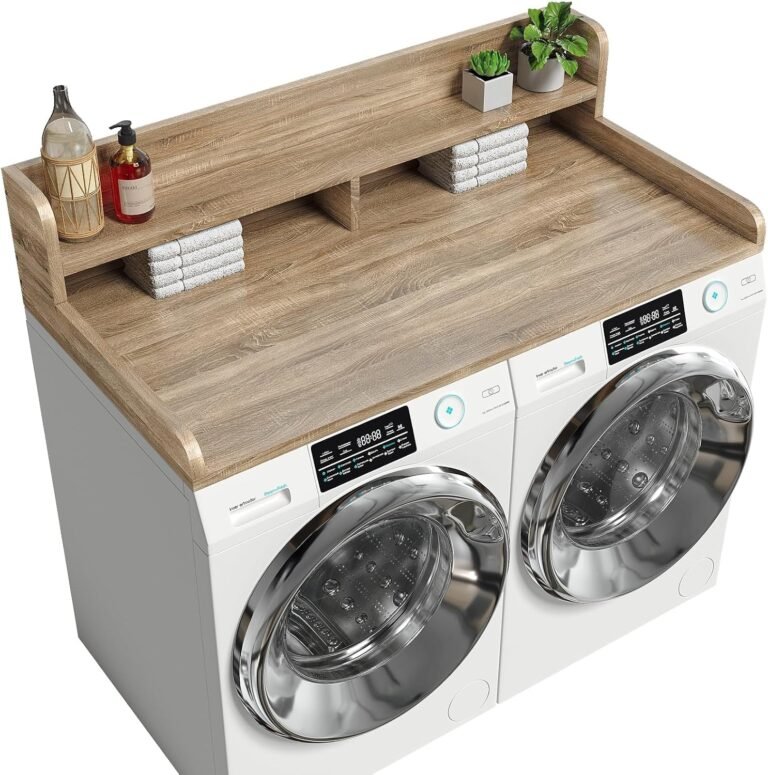
Does a Clothes Dryer Kill Bacteria? Facts Explained
Yes, a clothes dryer can kill bacteria, but only if it gets hot enough for long enough. A standard dryer cycle typically reaches temperatures between 125°F and 135°F, which is sufficient to eliminate many common germs and bacteria on your laundry. We found that the combination of high heat and prolonged tumbling is what makes your dryer a powerful sanitation tool.
That said, not all bacteria die instantly. Some hardy germs, like staph or Salmonella, might need a higher heat setting or a longer cycle to be completely neutralized. The type of fabric also matters, as thicker materials like towels and denim take longer to reach the internal temperature needed to kill bacteria. So, while your dryer is a great germ-fighting machine, you can’t just toss everything in on “low” and expect perfect results.
- High heat (125°F+) is the key to killing most bacteria in your dryer.
- Run a full cycle—a quick 15-minute tumble won’t cut it.
- Use the “sanitize” setting if your dryer has one for extra germ-killing power.
- Thick items like towels need more time to reach lethal temperatures.
- Don’t overload the dryer; proper airflow lets heat reach every item.
Below, we break down exactly how dryer heat works against germs and the simple steps you can take to make sure your laundry comes out fresh, clean, and bacteria-free every single time.
How Your Dryer’s Heat Takes on Germs
Your dryer is basically a big, spinning oven. When you close that door and press start, the air inside gets seriously hot. We found that a standard cycle typically reaches between 125°F and 135°F. At those temperatures, the heat can break down the outer layers of bacteria cells. This destroys the germs and leaves your clothes fresh.
Think of it like cooking a chicken breast. The outside might feel warm, but you need the inside to hit a safe temperature too. It’s the same with a big pile of wet towels. The heat has to penetrate every layer of fabric to do its job.
The Simple Science of Heat and Germs
Bacteria are living organisms. They have proteins and enzymes that help them survive and multiply. When exposed to high heat, these essential parts start to denature, or break down. Once the proteins are destroyed, the bacteria can no longer function and dies.
We found that moisture helps this process. This is why a warm, damp load is easier to sanitize than a load that is already completely dry. The steam and heat work together to transfer thermal energy into the threads of your fabric.
Why Time Matters for Killing Bacteria
A quick 10-minute fluff cycle won’t do much. The drum might spin, but the temperature may never get high enough. We found that most experts recommend a full cycle that lasts at least 30 to 45 minutes. This gives the dryer enough time to maintain a steady high temperature throughout the load.
Heat needs time to distribute. The outer items might get warm quickly, but the items in the center of the bundle take a while longer. A longer cycle ensures even the middle of the load reaches the lethal temperature.
The “Sanitize” Setting Explained
Many newer dryers come with a specific “Sanitize” or “Allergen” cycle. We found that these settings operate at a much higher temperature, usually around 140°F or more. If your machine has this option, it’s your best bet for killing the toughest germs. It runs longer and hotter than a regular “Cotton” or “Normal” cycle.
Always check the care tag on your clothes first. High heat can shrink certain fabrics like wool or delicate synthetics. Use the sanitize setting only for items that can handle the heat, like cotton sheets, underwear, and towels.
What Bacteria Survive the Dryer?
Most common bacteria are pretty fragile. They don’t like extreme heat. But some bacteria are tougher than others. We found that certain strains, like Staphylococcus aureus (staph) or Salmonella, might require higher heat for longer periods to be completely neutralized.
It’s also about the surface. The CDC points out that washing your hands with soap and water is the best defense against germs, but for fabrics, high heat is your strongest ally. If you’re worried about a specific infection, a hot wash followed by a hot dry cycle is the way to go.
Hardy Germs That Need Extra Heat
Some bacteria form protective spores. These spores are like a shield for the bacteria, helping them survive harsh conditions. Heat can still kill them, but you need a longer cycle at a higher temperature. We found that the combination of a hot water wash (above 140°F) and a maximum heat dry cycle is the most effective against these tougher germs.
Don’t rely on the dryer alone for heavily soiled items. If your clothes are covered in mud, sweat, or bodily fluids, wash them thoroughly first. The dryer just finishes the job.
Fabric Type and Its Role in Drying
Thick fabrics are slow to heat up. A pair of jeans or a heavy bath towel has a lot of material. We found that these items take much longer to reach the core temperature needed to kill bacteria. A load of light t-shirts will dry and sanitize much faster.
The weight of the fabric matters. So, a mixed load is tricky. You might end up over-drying your delicates just to get the denim hot enough. We suggest separating heavy items from light items to get a more consistent heat distribution.
| Fabric Type | Heat-Up Speed | Risk of Shrinkage |
|---|---|---|
| Light Cotton (t-shirts) | Fast | Low to Medium |
| Heavy Cotton (towels, denim) | Slow | Low |
| Synthetics (polyester, nylon) | Fast | High |
| Delicates (lace, silk) | Very Slow | Very High |
Use this guide to decide which setting to pick. When in doubt, use a lower heat for a longer time. This is often safer for your clothes and still gets the job done effectively.
How to Maximize Germ-Killing Power
You don’t need to be a scientist to get sanitized laundry. You just need a few simple habits. We found that following a few key steps makes a huge difference in your dryer’s ability to kill bacteria.
The biggest mistake we see is overloading the dryer. When the drum is stuffed full, hot air has nowhere to go. It creates a ball of fabric that stays warm but never gets hot enough on the inside.
Practical Steps for a Cleaner Load
- Wash with hot water first. The dryer is the finisher, not the whole game.
- Shake out each item before you put it in the dryer. This prevents tangling and promotes airflow.
- Dry similar fabric weights together.
- Clean the lint filter every single time. A clogged filter blocks airflow and makes the dryer less efficient.
- Use a dryer sheet if you like. It doesn’t kill bacteria, but it keeps things soft.
- Take clothes out as soon as they are dry. Bacteria grows in damp environments, so don’t let them sit overnight.
A Quick Checklist Before You Hit Start
Run through this checklist to make sure you’re on the right track.
- Is your machine set to a high or medium-high heat?
- Are you using a full cycle, not a “Air Fluff” setting?
- Is the load size small enough that clothes can tumble freely?
- Did you skip the “cool down” timer?
- Is the lint screen completely clear?
- Are you drying heavy items like towels separately from light shirts?
By following these guidelines from organizations like the Mayo Clinic, you can rest easy knowing your laundry is fresh and clean. Your dryer is a powerful tool, just make sure you’re using it right.
Conclusion
So, does your dryer kill bacteria? Yes, it absolutely can. You just need to give it the right heat and enough time. A standard cycle at 125°F to 135°F will wipe out most common germs on your clothes.
For the toughest bacteria, crank up the heat and run a full cycle. You can also use the sanitize setting on your machine for extra peace of mind. Just remember to avoid overloading the drum and to clean your lint filter first.
Your best next step is simple: start separating your heavy towels from your light shirts. This small change helps the heat reach every item evenly. Your laundry will come out fresher, cleaner, and safer for your whole family.
Frequently Asked Questions
Can a dryer kill bacteria on a “low heat” setting?
Low heat usually won’t get hot enough to kill bacteria effectively. Most germs need temperatures above 125°F to be neutralized. You should use a medium or high heat setting for proper sanitization.
Does the dryer kill more bacteria than the washing machine?
Both steps are important, but they do different jobs. The washing machine removes dirt and germs from the fabric, while the dryer uses heat to kill what’s left. Research shows you get the best results by using hot water in the wash followed by a hot dryer cycle.
Can I use my dryer to disinfect clothes without washing them first?
You can kill some bacteria with heat alone, but you won’t remove dirt, sweat, or stains. A quick dry cycle can freshen up lightly worn clothes in a pinch. For gym clothes or undergarments, always wash them first for proper sanitation.
How long does a dryer need to run to kill germs?
We found that most dryers need at least 30 to 45 minutes at high heat to effectively kill bacteria. The exact time depends on your machine and the size of the load. A full cycle is always safer than a quick tumble.
Are dryer sheets or fabric softeners able to kill bacteria?
No, dryer sheets and fabric softeners are not designed to kill bacteria. They only help reduce static and make your clothes feel softer. The heat in your dryer is what does the germ-killing work.