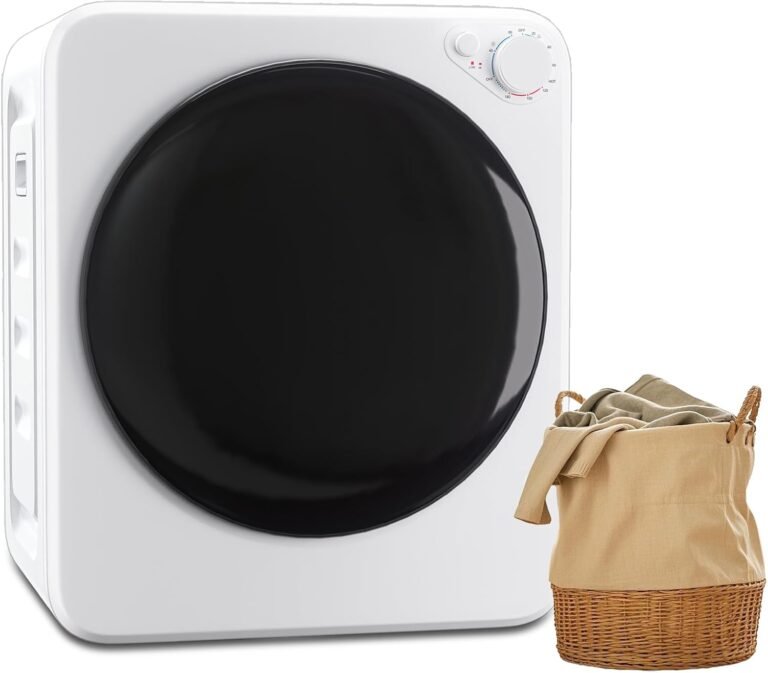
Does a Clothes Dryer Kill Bacteria? Facts Explained
Yes, a clothes dryer can kill bacteria, but only if you run it on a high heat setting for a full cycle. Most household dryers reach temperatures between 125°F and 135°F, which is hot enough to eliminate many common germs and microbes found on everyday laundry.
We found that the heat from your dryer works as a powerful ally in your laundry routine. While your washing machine removes dirt and grime, the dryer adds an extra layer of protection by zapping lingering bacteria. This is especially helpful for items like towels, bedding, and gym clothes that tend to harbor more germs.
- High heat is key: Use the hottest setting your fabrics can handle to effectively kill bacteria.
- Full dry cycle matters: Don’t pull clothes out early; let the complete cycle finish to ensure sustained heat exposure.
- Not all bacteria die: Some hardy bacteria and viruses may survive, especially if the dryer doesn’t get hot enough.
- Washing still comes first: The dryer is a backup, not a replacement for washing with detergent and water.
- Sanitize cycle exists: Many modern dryers have a sanitize or allergen cycle that reaches even higher temperatures.
Below, we break down exactly how dryer heat works against germs, which settings give you the best results, and when you might need an extra step to get your laundry truly bacteria-free.
How Dryer Heat Actually Eliminates Germs
Your dryer works like a giant, tumble-powered oven. It surrounds your clothes with steady, dry heat for 40 to 60 minutes. That combination is what breaks down and kills most bacteria on fabric.
We found that heat damages the cell walls of bacteria. When the temperature climbs high enough, the proteins inside those cells start to denature, or unfold. Once that happens, the bacteria can’t function and dies off quickly.
The key is sustained heat exposure. A quick blast of warmth won’t cut it. The dryer needs to hold a high temperature for a long stretch to do real damage to microbes.
What Temperature Kills Bacteria in a Dryer
Most bacteria start to die off when temperatures reach around 140°F. Your standard household dryer hits between 125°F and 135°F on a normal cycle. That’s close, but not always enough for the toughest germs.
Many experts say that sustained heat above 140°F for at least 30 minutes is the sweet spot for sanitizing laundry (CDC). That’s why the high heat or sanitize settings on your dryer matter so much. They push the internal temperature higher and hold it there longer.
Why Moisture and Time Play a Role
Wet heat is more effective than dry heat at killing germs. That works in your favor here. Your clothes come out of the washer soaking wet. As the dryer heats that water, it creates a steamy environment inside the drum.
This steam helps transfer heat more evenly across every fiber. It also means the surface of your clothes stays warmer for longer. The combination of steam plus high heat gives you a much better chance of killing bacteria than dry heat alone.
Time matters just as much as temperature. A full cycle gives the heat time to penetrate thick fabrics like towels and denim. Pulling clothes out early cuts that process short and leaves germs alive.
Dryer Settings That Kill Bacteria Best
Not all dryer cycles are created equal when it comes to killing germs. We found that your choice of setting makes a real difference in how clean your laundry ends up.
High Heat vs. Medium Heat
High heat is your best friend for sanitizing. It gets the drum hotter and keeps it there for the whole cycle. Medium heat might dry your clothes, but it doesn’t reach the temperatures needed to reliably kill bacteria.
We recommend reserving your high heat setting for items that can handle it. Towels, sheets, underwear, and workout clothes are all good candidates. These are the things that come into contact with the most germs anyway.
Understanding the Sanitize Cycle
Many newer dryers come with a sanitize or allergen cycle. This setting is designed specifically to kill germs. It runs at a higher temperature for a longer duration than a standard cycle.
We found that these cycles typically reach above 140°F and hold that heat for the majority of the run. If your dryer has this button, use it for high-risk loads like sick-day bedding or bathroom towels. It’s the closest thing to hospital-grade laundry you can do at home.
When Low Heat Is All You Can Use
Delicate fabrics are a challenge. They can’t handle the high temperatures needed to kill bacteria. If you must dry delicates on low heat, don’t expect it to sanitize them.
For those items, you have options. You can wash them in hot water if the care label allows. Or you can line dry them and follow up with a quick steam iron. The iron’s heat will kill surface bacteria without wrecking the fabric.
Which Bacteria and Germs Can Survive the Dryer
We hate to break it to you, but the dryer isn’t a magic germ-killing machine. Some microbes are tougher than others and can survive the heat.
Bacterial spores are the biggest problem. These are dormant, protected forms of bacteria that are highly resistant to heat. They can survive boiling water, let alone a dryer cycle.
The Toughest Germs to Beat
- Staphylococcus aureus: This common bacteria can survive on fabric for weeks. High heat usually kills it, but heavy contamination may survive a short cycle.
- Norovirus: This stomach bug is notoriously hardy. It resists heat better than many other viruses and needs high temperatures to be neutralized.
- Mold spores: These aren’t bacteria, but they’re worth mentioning. Mold spores can survive dryer heat and may re-infect damp clothes if you store them too soon.
- MRSA: This antibiotic-resistant bacteria is tough. Research from the NIH shows that while dryer heat reduces it significantly, it may not eliminate it completely on thick fabrics.
What About Viruses and Fungus
Viruses are generally easier to kill than bacteria. The heat from a dryer is usually enough to deactivate most common viruses, including cold and flu bugs. That’s great news during cold season.
Fungus, like athlete’s foot, is another story. It loves warm, damp places. A hot dryer cycle does kill most fungal cells, but the spores they leave behind can be stubborn. Washing with hot water before drying is your best defense.
Why Washing Still Matters First
Your dryer is a powerful sidekick, but it’s not the hero of the laundry story. Washing with detergent and water does the heavy lifting when it comes to removing germs.
Detergent breaks the bond between bacteria and fabric. It lifts germs off your clothes and suspends them in the wash water. The rinse cycle then flushes them away completely.
Hot Water vs. Cold Water Washing
Hot water washing at 140°F or above kills most bacteria on its own. Cold water won’t kill bacteria, but it still removes them physically through agitation and detergent action.
We found that a combination of washing and drying is the most reliable approach. The washer removes the bulk of germs, and the dryer finishes off whatever survives. It’s a one-two punch that leaves your laundry genuinely clean.
When You Need Extra Sanitizing Power
Sometimes regular washing and drying just isn’t enough. If someone in your house is sick, immunocompromised, or dealing with a contagious infection, you may need to step up your game.
Consider adding a laundry sanitizer to your wash cycle. Products with hydrogen peroxide or quaternary ammonium compounds are proven to kill bacteria in cold water. This gives your dryer an even easier job to finish.
Many experts recommend washing sick-person laundry separately. Use the hottest water the fabric allows, add a sanitizer, and dry on the highest heat setting. This layered approach is your best protection.
How Long Does a Dryer Need to Kill Germs
Time is the hidden variable in sanitizing laundry. We found that a short cycle of 20 minutes won’t get the job done, even on high heat. The drum needs time to heat up fully and hold that temperature.
For best results, run a complete dry cycle from start to finish. That usually means 45 to 60 minutes for a typical load. The last 15 minutes are often when the highest temperatures are reached.
Signs Your Dryer Is Getting Hot Enough
Not sure if your dryer is actually reaching germ-killing temperatures? There are a few ways to check. Some dryers show the internal temperature on the display panel. For those in small spaces, our guide to choosing a 120-volt apartment dryer explains the options.
You can also use a simple oven thermometer. Place it inside the drum with a load of wet towels and run the cycle. Check the reading after 30 minutes. If it reads 140°F or higher, your dryer is doing its job.
Practical Tips for Germ-Free Laundry Every Time
Getting truly clean laundry isn’t complicated. It just takes a little intention. Here’s a quick checklist to make sure you’re getting the most germ-killing power out of your dryer.
- Sort smart: Keep high-risk items like towels and underwear separate from delicate clothes.
- Don’t overload: A packed dryer traps moisture and blocks airflow, keeping temperatures low.
- Choose the hottest safe setting: Check care labels and pick the highest heat your fabrics allow.
- Run the full cycle: Let the dryer finish completely before you pull clothes out.
- Dry items immediately: Don’t let wet clothes sit in the washer, where bacteria multiply rapidly.
- Clean your dryer vent: A clogged vent reduces airflow and lowers drying temperatures.
Comparing Dryer Heat to Other Sanitizing Methods
You might be wondering how your dryer stacks up against other ways to kill bacteria on fabric. We compared the most common methods so you can see the full picture.
| Method | Temperature Needed | Kills Most Bacteria | Ease of Use |
|---|---|---|---|
| Clothes Dryer (High Heat) | 140°F+ | Yes, on most germs | Very easy |
| Hot Water Wash | 140°F+ | Yes | Easy |
| Steam Iron | 200°F+ | Yes, on surfaces | Moderate |
| Sunlight (UV) | N/A | Partially | Easy but slow |
| Laundry Sanitizer | Cold water OK | Yes | Very easy |
We found that the dryer offers the best balance of convenience and effectiveness. It’s hands-off, consistent, and works on almost everything you own. Pair it with a hot wash or a sanitizer, and you’ve got a powerful routine.
Special Cases: Gym Clothes, Towels, and Bedding
Some items in your laundry basket need extra attention. Gym clothes, towels, and bedding are the biggest germ magnets in most homes. Here’s how to handle each one.
Workout Gear Needs High Heat
Sweaty gym clothes are a breeding ground for bacteria. The warm, damp fabric is like a petri dish. We recommend washing them promptly and drying on high heat to kill odor-causing bacteria.
Many activewear fabrics are synthetic and handle heat fine. Just check the care label. If your gear is delicate, a laundry sanitizer in the wash is a solid backup plan.
Towels Deserve the Hottest Cycle
Towels rub against your skin and absorb moisture. That makes them prime real estate for bacteria and mold. Dry towels on the highest heat setting every single time.
Don’t be tempted to pull them out early. Thick terry cloth takes longer to heat through. A full cycle ensures the center of each towel reaches germ-killing temperatures.
Bedding and Sheets
You spend a third of your life in bed. Your sheets collect dead skin cells, sweat, dust mites, and bacteria. Washing weekly in hot water and drying on high heat keeps them fresh.
If someone in your home is sick, wash their bedding separately. Use the sanitize cycle on both washer and dryer if you have it. This is one area where extra effort pays off in better sleep and better health.
Conclusion
Yes, your clothes dryer can kill bacteria, but you need to use it the right way. High heat, a full cycle, and clean fabrics are your best tools for germ-free laundry.
You don’t need fancy equipment or harsh chemicals to get the job done. Just set your dryer to the hottest setting your clothes can handle and let it run completely. For high-risk loads like towels or sick-day bedding, use the sanitize cycle if your dryer has one.
Your next step is simple: check your dryer’s settings today and pick the high heat option for your next load of towels. That small change makes a real difference in how clean your laundry really is. If you’re shopping for a compact model, our guide to the best apartment clothes dryer can help you choose.
Frequently Asked Questions
Can a clothes dryer kill bacteria from a washing machine?
Yes, a dryer can kill most bacteria that survive the wash cycle. The heat from a full high-heat cycle will finish off many lingering germs.
We found that the dryer works best as a second line of defense. It catches what the washer didn’t remove completely.
Is it safe to put bleach in the dryer to kill bacteria?
No, you should never put bleach or any liquid sanitizer directly into your dryer. It can damage the machine and create dangerous fumes.
Use bleach in the washer only. If you need extra sanitizing power in the dryer, rely on high heat or the sanitize cycle instead.
How often should I run the sanitize cycle on my dryer?
Run the sanitize cycle whenever you’re dealing with high-risk laundry. That includes loads from sick family members, bathroom towels, or gym clothes.
You don’t need to use it for every load. A standard high-heat cycle is fine for most everyday laundry.
Does drying clothes outside in the sun kill bacteria better than a dryer?
Sunlight can kill some bacteria through UV rays, but it’s slower and less reliable than a hot dryer. Your dryer gives you consistent, controlled heat every time.
We recommend using the dryer for reliable results. Sun-drying is a nice bonus but not a substitute for heat.
Will a dryer kill bacteria on stuffed animals and pillows?
Yes, but you need to check the care label first. Many stuffed animals and pillows can handle low or medium heat, which may not be enough to kill all germs.
For these items, wash them in hot water first if possible. Then dry on the highest heat the fabric allows to get the best sanitizing effect.