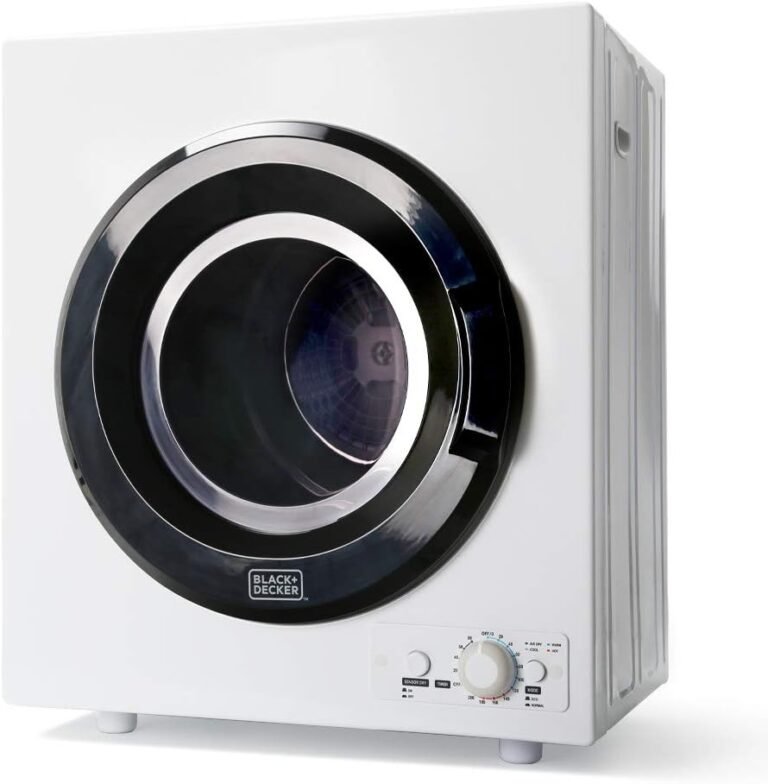
Does a Clothes Dryer Kill Germs? Here’s the Truth
Yes, a clothes dryer can kill germs on your laundry, but it depends on the heat. Most standard dryers reach temperatures high enough to eliminate many common bacteria and viruses. The key is making sure your dryer gets hot enough for long enough to do the job.
We found that a typical dryer cycle, especially on high heat, can be a powerful tool for sanitizing your clothes, towels, and bedding. While a regular wash removes dirt and some germs, the intense heat of the dryer provides an extra layer of protection. This is particularly useful for household items like bath towels and underwear that come into close contact with your skin.
- The short answer is yes, a hot dryer can kill many common germs, like E. coli and salmonella.
- High heat is your best friend; it’s much more effective at killing germs than a low or medium setting.
- Dry time matters. Running the cycle for at least 30 minutes on high heat offers the best results.
- It’s not a sterilizer. It kills most germs but doesn’t eliminate everything, like certain hardy spores.
- Don’t overload the dryer. Clothes need room to tumble so the hot air can reach every surface.
Below, we’ll walk you through exactly how dryer heat works, which settings are best, and a few simple tips to make sure you’re getting the most germ-killing power from every load.
How Dryer Heat Takes Out Germs
You probably already know that washing your clothes gets them clean. But the dryer is the real germ-fighting hero. The heat inside your dryer is the key. Most dryers push air temperatures between 125°F and 150°F during a normal cycle.
Many experts say that consistent exposure to temperatures above 140°F can kill most common germs on fabric (CDC). That means your standard dryer, running on high heat, is usually hot enough to handle the job.
The science is simple. Germs are living organisms. Extreme heat damages their cell walls and proteins. Once that happens, they can’t survive or multiply. Think of it like baking bread. The inside of the loaf gets hot enough to cook all the way through. The heat transforms it. Your dryer does the same to germs.
The Magic Temperature for Sanitizing
Not all dryer settings are created equal. We found that the temperature you choose matters more than the length of the cycle. Low heat might not get the job done. Medium heat might be a gamble. High heat is your best bet.
For the best results, you want the dryer to reach at least 135°F to 140°F. That is the sweet spot where most bacteria and viruses start to die off. Many residential dryers can hit these numbers, especially on the high or “sanitize” cycle.
Here is a quick breakdown of what we found regarding dryer settings:
| Dryer Setting | Approximate Heat Range | Germ-Killing Power |
|---|---|---|
| Low Heat / Delicate | 110°F – 125°F | Low. May not kill most germs. |
| Medium Heat | 125°F – 135°F | Moderate. Kills some germs, not all. |
| High Heat | 135°F – 150°F | High. Kills the vast majority of germs. |
| Sanitize Cycle | 150°F+ | Highest. Designed to eliminate almost all germs. |
That table shows you exactly why the setting you pick is so important. You wouldn’t use the delicate cycle for your gym towels and expect a great result. Crank it up to high when you want to sanitize.
What Germs Can a Dryer Actually Kill?
You might be wondering which specific germs you should worry about. The good news is that your dryer is effective against many of the usual suspects. Common household bacteria like E. coli, salmonella, and staph are very vulnerable to heat.
Viruses are also a target. Flu viruses and cold viruses are fragile when exposed to high heat. Many experts say that the heat from a dryer can help neutralize these pathogens effectively. This is great news for families during cold and flu season.
We found that everyday laundry germs are easily handled. Think about your underwear, socks, and kitchen towels. These items carry the most bacteria. A hot dryer cycle gives you that extra layer of protection.
The Exceptions to the Rule
Now, let’s be real. Your dryer is not a magical sterilizer. There are some things it won’t kill. Certain hardy bacteria spores, like the ones that cause anthrax or botulism, can survive high heat. These are rare in a normal home, so you don’t need to lose sleep over them.
Mold spores can also be tricky. If your clothes are already moldy, the dryer might kill the mold but leave behind the dead particles. You still need to wash those items thoroughly first to remove the spores from the fabric. Heat alone won’t scrub them away.
Remember, the dryer is the second step. It works with your washing machine. The wash gets the germs off. The dryer gets the heat in. Together, they make a powerful team.
Best Practices for Sanitizing Your Laundry in the Dryer
Getting the heat right is the first step. But there are a few more things you can do to make sure your dryer is working as hard as possible. It is not just about pushing a button and walking away.
You want to set yourself up for success. Here are the simple, practical steps we recommend for every load that needs a deep clean.
Don’t Overload the Drum
This is the most common mistake we see. If you cram the dryer full of wet towels, the hot air cannot circulate properly. The middle of the load stays cool. Germs in the center survive.
You need room for the clothes to tumble freely. Think of it like roasting a chicken. You don’t pack four chickens into one pan and expect them all to cook evenly. Give your laundry room to breathe.
If you have a big load, split it into two smaller ones. It takes a little more time, but the results are worth it. Every item gets exposed to the hot air.
Run the Cycle Long Enough
Time matters just as much as temperature. The dryer needs sustained heat to do its job. A quick 15-minute fluff cycle won’t cut it. We found that you should run the dryer for at least 30 minutes on high heat to ensure proper sanitization.
For heavily soiled or high-risk items, go longer. Towels and underwear benefit from a full 45 to 60-minute cycle. The extended heat gives the germs more time to die.
Make sure the clothes are completely dry before you take them out. Moisture left in the fabric is a breeding ground for new germs. Dryness is a sign that the heat has done its job.
Clean the Lint Filter Every Time
We get it. Cleaning the lint filter is easy to forget. But a clogged filter restricts airflow. Poor airflow means lower temperatures inside the drum. Lower temperatures mean germs survive.
Make it a habit. Pull the filter out and scrape off the lint before every single load. It takes five seconds. It keeps your dryer running efficiently and safely.
A clean filter also prevents a fire hazard. That is a pretty good reason to stay on top of it, right?
Know When to Use a Sanitize Cycle
If your dryer has a “Sanitize” or “Allergen” cycle, use it. These cycles are designed to hold a higher temperature for a longer period. Many experts say these are the most effective settings for killing germs.
Use this cycle for household items that really need it. Think about bedding when someone is sick. Or towels after a family member has had a stomach bug. The sanitize cycle gives you peace of mind.
It uses more energy, so you don’t need to use it every day. But for those times when you need extra protection, it is your best friend.
When the Dryer Isn’t Enough
There are a few situations where you might need to step up your game. If someone in your home is severely immunocompromised, you may need more than just a dryer. Medical-grade sterilization requires higher temperatures and specialized equipment.
For most of us, the dryer is plenty. But for safety-critical items, consider other methods. You can use a steam sanitizer or a hot iron. You can also soak items in a disinfectant solution designed for laundry.
Here is a simple checklist to follow for maximum germ protection:
- Wash clothes in the hottest water safe for the fabric.
- Use a quality laundry detergent and follow the label directions.
- Transfer clothes to the dryer immediately after the wash ends.
- Select the high heat or sanitize cycle on your dryer.
- Run the dryer for at least 30 to 45 minutes.
- Make sure everything is bone-dry before folding and putting away.
Does Fabric Type Change the Outcome?
You might be wondering if your clothes can handle the heat. Some fabrics are delicate. They can’t survive the high temperatures needed to kill germs. You have to balance sanitizing with not ruining your favorite shirt.
Natural fibers like cotton and linen handle high heat well. They are perfect for hot dryer cycles. Synthetic fibers like polyester and nylon can melt or warp at high temperatures. You need to be more careful with those.
How to Handle Delicate Fabrics
If you have delicate items that need sanitizing, you have options. Wash them in hot water if possible. The wash cycle itself can kill many germs. Then, use the lowest dryer heat that still gets them dry.
You can also air dry delicates and then use a handheld steam iron on them. The steam from the iron gets hot enough to kill germs. It is an extra step, but it protects your clothes.
Many experts say that tumble drying on low heat is better than nothing. It might not kill all germs, but it helps. You can pair that with a disinfecting laundry additive for a more complete approach.
Why the Dryer Beats Air Drying for Germs
You might love the fresh smell of line-dried sheets. We get that. But when it comes to germs, air drying just doesn’t compare. Indoor air drying takes hours. That gives germs time to multiply in the damp fabric.
Outdoor drying has some benefits. Sunlight has natural UV rays that can kill some germs. But this is not reliable. It depends on the weather, the season, and how long the clothes stay out.
The dryer is fast and consistent. It gives you predictable results every single time. You don’t have to hope for a sunny day to get sanitized laundry. You just push a button and you are done.
Conclusion
Your dryer is a powerful tool for killing germs on your laundry. The heat, especially on high or sanitize settings, takes care of most common bacteria and viruses. You just need to give it enough time and make sure the load isn’t too packed.
We found that running a full cycle on high heat for at least 30 to 45 minutes is your best bet. This works great for towels, underwear, and bedding. For delicate fabrics, use hot water in the wash and a lower dryer setting.
Make cleaning the lint filter a habit. It keeps the airflow strong and the heat where it belongs. Start using the high heat setting on your next load of towels. You will get cleaner, fresher laundry every time.
Frequently Asked Questions
Can a dryer kill germs on clothes that were washed in cold water?
Yes, the dryer can still help a lot. Cold water might not kill germs in the wash, but the high heat in the dryer will. Just make sure you run a full cycle on high heat so the fabric gets hot enough for long enough.
Will a dryer kill bed bugs on clothes and bedding?
Yes, a hot dryer can kill bed bugs and their eggs. You should run the items on high heat for at least 30 minutes. Many experts recommend a full 45 to 60-minute cycle to be safe, especially for bedding and pillows.
How hot does a dryer get to sanitize clothes?
Most dryers reach temperatures between 125°F and 150°F on a standard high heat cycle. You want the dryer to stay above 135°F for a sustained period. The sanitize cycle on newer dryers can hold around 150°F for maximum germ-killing power.
Can you put hand sanitizer on clothes instead of using the dryer?
We do not recommend that. Hand sanitizer is not designed for fabric and can leave stains or residue. Your dryer with heat is a much better option. If you cannot use the dryer, wash the items with hot water and a disinfecting laundry additive.
Does air drying in the sun kill germs better than a dryer?
No, the dryer is more reliable for killing germs. Sunlight has UV rays that can help, but it depends on the weather and how long the clothes are outside. A dryer gives you consistent heat every time, so you do not have to rely on the weather to get sanitized laundry.