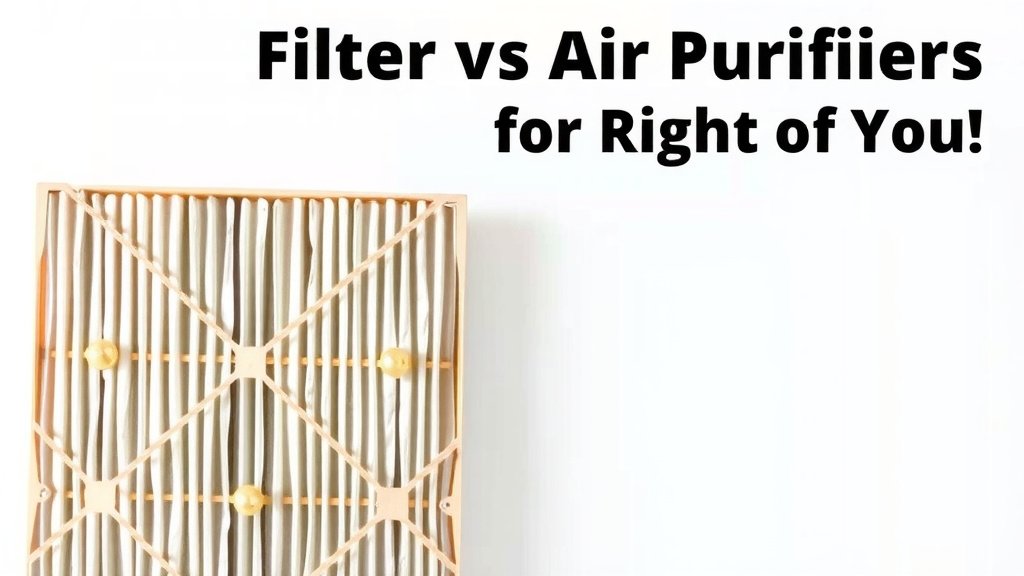
HEPA Filter vs Air Purifier: Which is Right for You
A HEPA air filter is a type of technology, while an air purifier is a device that uses that technology. Think of it like this: a HEPA filter is the engine, and an air purifier is the car. You can’t have clean air from an air purifier without the HEPA filter doing the heavy lifting. So, while they work together, they aren’t the same thing at all.
Many people wonder if their existing HVAC system’s filter is the same as a whole-room air purifier. While some furnace filters might carry the HEPA name, their effectiveness is often limited by the system’s airflow and design. A dedicated air purifier is specifically built to circulate and clean the air in a particular room, offering more targeted results for better air quality.
- HEPA filter = the cleaning technology (like an engine).
- Air purifier = the device that uses the filter (like a car).
- HEPA filters capture 99.97% of particles.
- Air purifiers use HEPA filters to clean room air.
- HVAC filters can help, but aren’t usually as effective as dedicated units.
Let’s break down exactly how these two work together and what you need to know to get the cleanest air possible in your home.
“`htmlUnderstanding HEPA Filters and Air Purifiers for Your Home
So, you’re wondering about the difference between a HEPA filter and an air purifier? It’s a great question, and understanding it helps you choose the right solution for cleaner air. Think of a HEPA filter as a super-powered sieve for your air. An air purifier is the machine that uses this sieve to clean the air in your home.
What Exactly is a HEPA Air Filter?
HEPA stands for High-Efficiency Particulate Air. This isn’t just a fancy name; it’s a specific standard for air filters. For a filter to be called HEPA, it must remove at least 99.97% of airborne particles that are 0.3 microns in diameter. This tiny size is important because it’s the most difficult particle size to capture.
The 0.3 Micron Mark
Why 0.3 microns? Many common allergens and irritants, like dust mites, pollen, mold spores, and pet dander, fall into this size range. Larger particles are often caught by pre-filters, and even smaller ones can be trapped by the HEPA material’s unique structure. The 0.3-micron size is considered the worst-case scenario for particle filtration.
How a HEPA Filter Works
HEPA filters don’t just act like a simple screen. They use a combination of methods to trap particles. These include interception, impaction, and diffusion. Interception is when particles stick to the fibers as they pass by. Impaction is when larger particles can’t change direction quickly enough and collide with the fibers. Diffusion is where very small particles move randomly, eventually bumping into a fiber (like tiny billiard balls).
What is an Air Purifier?
An air purifier is the complete device designed to clean the air in a room. It’s a standalone appliance. Most air purifiers contain one or more filters to remove pollutants. The most common and effective type of filter used in air purifiers is a HEPA filter.
Components of an Air Purifier
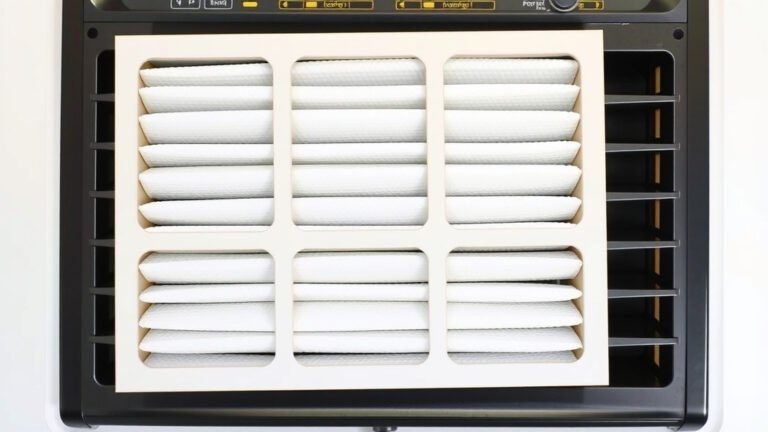
Beyond the HEPA filter, an air purifier typically has a fan to draw in air and push clean air back out. Many also include pre-filters to catch larger debris like hair and dust, extending the life of the HEPA filter. Some models might have activated carbon filters to tackle odors and gases, or UV-C light for germicidal purposes.
Purpose of an Air Purifier
The main goal of an air purifier is to improve indoor air quality. They are especially helpful for people with allergies, asthma, or other respiratory issues. By removing airborne irritants, they can create a more comfortable living environment. They circulate air, filter it, and release cleaner air back into the room.
HEPA Filter vs. Air Purifier: Key Differences
You might be thinking, “So, if an air purifier uses a HEPA filter, what’s the real difference?” The distinction lies in their function and scope. One is a component, and the other is the complete system.
The HEPA Filter: The “Engine”
As we’ve discussed, a HEPA filter is the core technology for capturing tiny particles. It’s a replaceable part within a larger system. You can buy HEPA filters separately for various applications, not just air purifiers.
The Air Purifier: The “Car”
An air purifier is the finished product. It’s designed to be placed in a room to actively clean that space’s air. It’s built to house the HEPA filter and other components to achieve efficient air circulation and filtration. You can’t “purify” air with just a HEPA filter on its own; you need the fan and housing, which make up the purifier.
HVAC Filters vs. Dedicated Air Purifiers
Your home’s heating, ventilation, and air conditioning (HVAC) system has filters, and some might be labeled “HEPA-type” or have a MERV rating that suggests good filtration. However, these are generally not the same as a true HEPA filter found in a dedicated air purifier.
HVAC systems are designed for airflow volume, not necessarily for the fine filtration that a dedicated unit provides. The motor in your furnace or AC might not be powerful enough to push air through a true HEPA filter effectively without straining. This can lead to reduced airflow and less efficient air cleaning. Dedicated air purifiers are engineered specifically to work with HEPA filters and deliver optimal performance for room-sized areas (Mayo Clinic).
Effectiveness and Coverage Area
A dedicated air purifier is designed for targeted cleaning of a specific room’s air volume. It has its own fan to ensure optimal air intake and output. While an HVAC filter can help reduce some particles circulating through your home, it might not be as effective as a well-placed air purifier for tackling concentrated allergens or pollutants in specific areas where you spend the most time.
When to Choose Which
If you have respiratory sensitivities or live in an area with poor outdoor air quality, a dedicated air purifier with a true HEPA filter is often your best bet for noticeably cleaner air in your living spaces. They offer more control over the air you breathe right where you are.
| Feature | HEPA Filter | Air Purifier |
|---|---|---|
| What it is | A filtration technology/component | A complete device/appliance |
| Primary Function | Capture microscopic particles | Circulate and clean room air |
| Requirement | Needs a system (like a purifier) to work | Contains a HEPA filter (usually) and a fan |
| Key Benefit | High-efficiency particle capture (99.97% of 0.3 microns) | Improved indoor air quality in a specific area |
| Replacement Needs | Needs to be replaced periodically | Needs filter replacements, unit maintenance |
It’s like buying an engine versus buying a car. You need both to get around, but the engine is just one part of the vehicle. Similarly, you need the HEPA filter technology within an air purifier device to achieve clean air in a room.
Making the Right Choice for Your Home
When you’re looking to improve your home’s air quality, focus on selecting an air purifier that uses a true HEPA filter. This ensures you’re getting the most effective particle capture. Consider the room size and the specific air quality concerns you have, such as allergies or odors.
Here’s a quick checklist to help you remember the key points:
- Look for “True HEPA” on product labels.
- Understand that HEPA is the filter, not the whole machine.
- Air purifiers are designed for room-specific cleaning.
- Consider pre-filters for larger particles.
- Check the CADR (Clean Air Delivery Rate) for room suitability.
- Replace filters as recommended by the manufacturer.
Conclusion
Understanding the difference between a HEPA filter and an air purifier is key to breathing cleaner air. Remember, the HEPA filter is the high-efficiency technology that captures tiny particles, while the air purifier is the device that houses the filter and circulates your room’s air. Your home’s HVAC system filter can help, but a dedicated air purifier offers more targeted and effective cleaning for your living spaces. If you’re looking to make a real difference in your indoor air quality, especially if you have allergies or sensitivities, choosing a reputable air purifier with a true HEPA filter is your best next step.
Frequently Asked Questions
What’s the difference between a “HEPA filter” and a “True HEPA” filter?
A “True HEPA” filter is certified to meet the standard of capturing 99.97% of particles at 0.3 microns. Some filters might be “HEPA-type” or have a high MERV rating, but they don’t meet the strict True HEPA certification and may not be as effective at trapping the smallest, most problematic particles.
Can I just buy a HEPA filter and place it somewhere to clean my air?
No, a HEPA filter alone won’t purify your air. It needs a system, like an air purifier, to draw air through it. The air purifier contains a fan to move the air and housing to hold the filter, making the filtration process possible and effective for a room.
How often do I need to replace a HEPA filter in an air purifier?
Replacement frequency varies by manufacturer and usage, but most HEPA filters need replacing every 6 to 12 months. Check your air purifier’s manual for specific recommendations, as using a clogged filter reduces its effectiveness and can strain the device.
Are air purifiers with HEPA filters good for removing pet odors?
True HEPA filters are excellent at capturing pet dander and other allergens. For odors and gases, look for an air purifier that also includes an activated carbon filter. This combination works best for tackling both airborne particles and smells effectively.
Will my home’s central air system filter clean my air as well as a separate air purifier?
Generally, no. While your HVAC filter helps, it’s usually not as effective as a dedicated air purifier. Central systems are designed for air volume, not fine filtration, and their motors may struggle to pull air through a HEPA-grade filter efficiently, limiting the overall cleaning power in your home.