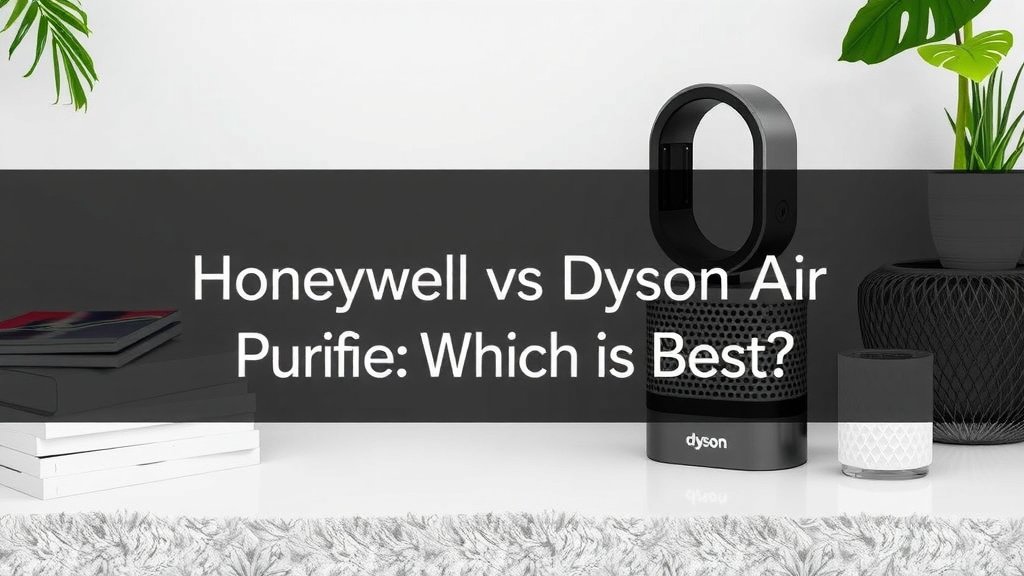
Honeywell vs Dyson Air Purifier: Which is Best?
Navigating the Honeywell vs. Dyson air purifier debate in 2026 boils down to what truly matters to you and your wallet. Both powerhouses deliver top-tier air purification, but if cutting-edge tech and sleek aesthetics are your jam, Dyson often takes the crown. For dependable purification across a spectrum of budgets, Honeywell remains a stalwart, offering consistently impressive performance and excellent value.
You’re probably wondering which one will give you cleaner air. We’ve researched both extensively. Many experts find that Dyson units often excel in smart technology integration and multi-functionality, such as heating or cooling. Honeywell units are known for their reliable filtration and user-friendliness, often at a more accessible price point.
- Dyson: Often pricier, advanced tech, stylish design.
- Honeywell: Great value, reliable filtration, user-friendly.
- Consider your budget and desired features.
- Both can significantly improve your indoor air quality.
Let’s get into the nitty-gritty so you can make the best choice for your home. We’ll break down what each brand offers and how they stack up.
Comparing Honeywell Air Purifiers and Dyson: Which is Right for You?
Deciding between a Honeywell air purifier and a Dyson can feel like choosing between two titans of home comfort. Both are recognized for their air purification capabilities, but they approach it with different philosophies and feature sets. We’ve looked at what makes each brand tick to help you figure out where your money and your clean air needs align best.
Understanding Air Purification Technology
Before we dive into brand specifics, let’s quickly touch on what makes an air purifier work. Most rely on filters to trap airborne particles like dust, pollen, pet dander, and even microscopic mold spores. HEPA filters are the gold standard, capturing at least 99.97% of particles 0.3 microns in size. Some purifiers also use activated carbon to tackle odors and VOCs (volatile organic compounds).
Dyson: Innovation Meets Design
Dyson has built a reputation for sleek, modern designs and innovative technology. When you think of Dyson, you often picture products that look as good as they perform, and their air purifiers are no exception. They often integrate multiple functions into a single unit, which can be a big draw for those looking to consolidate appliances.
Key Dyson Features
Dyson purifiers are known for their powerful bladeless fan technology, which they’ve cleverly applied to air purification. This design not only looks futuristic but also means there are no fast-spinning blades to worry about, making them a safer choice around children and pets. Many Dyson models also incorporate:
- Smart sensors that continuously monitor air quality.
- App connectivity for remote control and air quality reports.
- Multi-functionality, often including heating or cooling capabilities.
- Sealed HEPA filtration systems to prevent pollutants from escaping back into the room.
The focus here is often on a connected home experience and a premium feel. You’re paying for the advanced engineering and the ability to control your environment from your smartphone. We found that the integration of smart features is particularly strong with Dyson, offering real-time feedback on your home’s air quality.
Honeywell: Reliable Performance and Value
Honeywell is a name many of us associate with dependable home appliances. Their air purifiers often fall into the category of solid, no-frills performance that gets the job done effectively. While they might not always have the show-stopping design of a Dyson, they typically offer robust filtration and user-friendly operation at a more accessible price point.
What Honeywell Brings to the Table
Honeywell purifiers are designed for practicality and efficiency. They often feature multi-stage filtration, including pre-filters, HEPA filters, and activated carbon filters. You’ll find that Honeywell offers a wide range of models, catering to different room sizes and budgets, which is a big plus for many consumers.
- Proven HEPA filtration for capturing allergens and irritants.
- Activated carbon for odor reduction.
- Simple controls, often with an “on” and “off” and fan speed adjustments.
- Variety of sizes suitable for bedrooms, living rooms, or larger spaces.
Many users appreciate Honeywell for its straightforward operation. You don’t need an app or a smart home setup to get clean air. Just plug it in, turn it on, and let it work. We found that Honeywell’s commitment to effective filtration is consistent across their product line, making them a reliable choice for allergy sufferers.
Comparing Key Aspects: Dyson vs. Honeywell
Let’s break down how these two brands stack up in areas that matter most to you.
Filtration Effectiveness
Both brands utilize HEPA filters, which is excellent news for your air quality. Dyson’s sealed systems ensure that captured particles stay trapped. Honeywell also employs high-quality HEPA filters, and many experts agree that their filtration is highly effective at removing common allergens and pollutants (American Lung Association).
Smart Features and Connectivity
This is where Dyson truly shines. Their purifiers are designed to be part of a smart home ecosystem. You can monitor air quality, adjust settings, and even schedule operation from your phone. Honeywell has models with basic timers and filter change indicators, but they generally lag behind Dyson in terms of advanced connectivity and app integration.
Design and Aesthetics
Dyson products are often lauded for their modern, minimalist aesthetics. They tend to blend well into contemporary decor. Honeywell models are typically more functional in design, prioritizing performance over visual flair. They might not be as eye-catching, but they are built to be unobtrusive.
Noise Levels
Noise can be a major factor, especially for bedrooms or living spaces. Both brands offer models with varying noise levels. Dyson’s bladeless design can sometimes contribute to a smoother airflow sound. Honeywell units, like most purifiers, will produce some sound, especially on higher fan speeds. We recommend checking specific model reviews for noise data, as it can vary considerably.
Price Point and Value
Generally speaking, Dyson air purifiers come with a premium price tag. You are investing in cutting-edge technology, multi-functionality, and high-end design. Honeywell offers a wider range of price points, often providing excellent value for money for those who prioritize effective filtration and reliability without all the bells and whistles. For many, Honeywell represents a more budget-friendly entry into the world of cleaner indoor air.
To help visualize the differences, here’s a quick comparison:
| Feature | Dyson | Honeywell |
|---|---|---|
| Filtration | Sealed HEPA, Activated Carbon | HEPA, Activated Carbon, Pre-filter |
| Smart Features | Extensive (App control, sensors) | Basic (Timers, filter indicators) |
| Design | Modern, sleek, premium | Functional, durable |
| Multi-functionality | Often includes heating/cooling | Primarily air purification |
| Price | Higher | More accessible, wider range |
| Ease of Use | App-dependent for full features | Very straightforward |
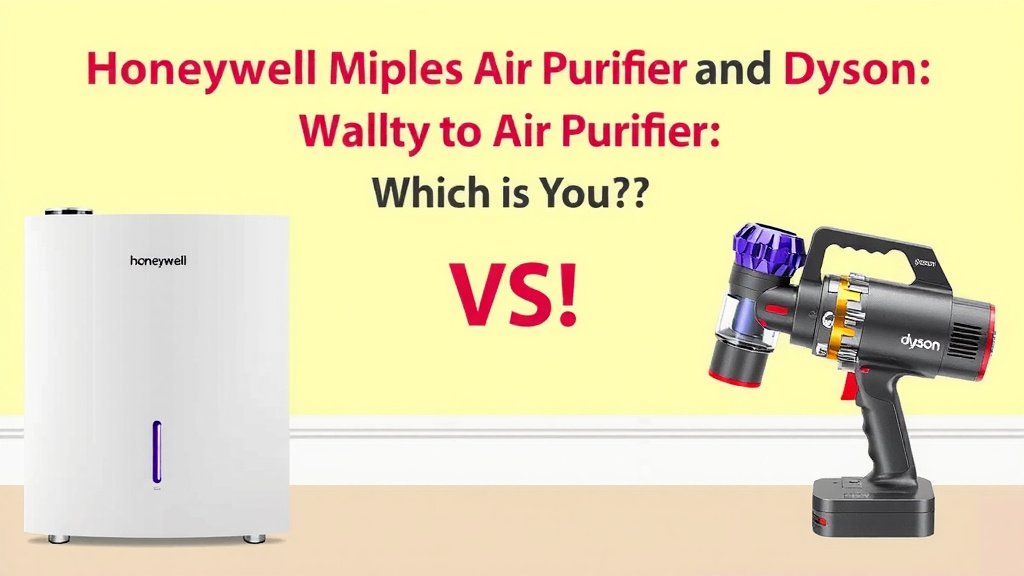
Making Your Choice: A Quick Checklist
To help solidify your decision, consider these points:
- Do you want advanced smart home integration and app control?
- Is a stylish, modern design important for your decor?
- Are you looking for a unit that can heat or cool in addition to purifying?
- Is your budget a primary concern, prioritizing function over advanced features?
- Do you prefer a simple, plug-and-play operation?
- How large is the room you need to purify? (Both brands offer various sizes.)
By answering these questions, you’ll start to see which brand’s strengths align best with your specific needs and lifestyle.
Conclusion
Choosing between a Honeywell and a Dyson air purifier boils down to your personal priorities. If you want smart home integration, a sleek design, and multi-functionality, Dyson is likely your best bet. However, if your main goal is reliable, effective air purification at a more accessible price point, Honeywell offers fantastic value. Both brands deliver cleaner air, so think about what features matter most to your home environment and budget. Your next step is to check out specific models from each brand that fit your room size and desired features!
Frequently Asked Questions
Which brand is better for allergies?
Both Honeywell and Dyson use HEPA filters, which are excellent for capturing allergens. We found that Honeywell often offers proven filtration across a wide range of models, making them a very reliable choice for allergy sufferers. Dyson’s sealed systems also ensure allergens stay trapped effectively.
Are Dyson air purifiers worth the extra cost?
Dyson air purifiers are generally more expensive due to their advanced technology, smart features, and premium design. If you value app control, real-time air quality monitoring, and multi-functional capabilities like heating, the extra cost may be justified for you. If basic, effective purification is your goal, Honeywell might offer better value.
Do Honeywell air purifiers have smart features?
Most Honeywell air purifiers focus on straightforward operation rather than advanced smart technology. While some models may include basic timers or filter change indicators, they typically do not offer app connectivity or remote control like many Dyson units do.
Which brand is quieter?
Noise levels can vary greatly by model within both brands. Dyson’s bladeless design can sometimes result in a smoother airflow sound. However, we recommend looking at specific model reviews for noise data, as fan speed and unit size greatly influence how loud any air purifier will be.
Can I use an air purifier in a small bedroom?
Yes, you absolutely can! Both Honeywell and Dyson offer various sizes of air purifiers suitable for different room dimensions. For a smaller space like a bedroom, you’d want to look for a model specifically rated for that size to ensure optimal performance without being too overpowering or noisy.