How Electrostatic Air Purifiers Work Explained Simply
Electrostatic air purifiers work by using an electric charge to attract and capture airborne particles. They create a powerful static charge that makes dust, pollen, and other tiny bits stick to collector plates. This process effectively removes pollutants from your air. Many people find them a great way to improve their home’s air quality without relying on disposable filters. We found that this technology is quite effective at trapping even microscopic contaminants.
These purifiers are a smart choice for managing common allergens and irritants. Unlike some filters that can clog easily, electrostatic models use a different mechanism. They charge particles so they can be easily collected. This often means less ongoing cost and fewer replacements. We researched and found they are known for their quiet operation and energy efficiency, making them a popular option for bedrooms and living spaces.
- Electrostatic purifiers use an electric charge.
- This charge attracts and traps airborne particles.
- They help remove allergens like dust and pollen.
- This method can be more cost-effective long-term.
Ready to learn exactly how this neat technology cleans your air? Let’s walk through the steps involved.
Understanding How Electrostatic Air Purifiers Clean Your Air
You’re probably wondering how these devices work their magic. It’s a clever process that relies on basic science. Electrostatic air purifiers use an electrical charge to grab tiny particles from the air. Think of it like static cling, but on purpose. This makes them a popular choice for improving indoor air quality.
The Science Behind the Static
At its core, an electrostatic air purifier uses two main parts to clean your air. You have an ionizer and collector plates. The ionizer gives particles in the air an electrical charge. Then, oppositely charged collector plates attract these particles. This is where the “electrostatic” part comes into play. It’s all about attracting opposites.
Step-by-Step Air Purification
Let’s break down the journey of air through an electrostatic purifier. You’ll see how simple yet effective it is.
1. Air Enters the Purifier
First, your room’s air is drawn into the unit. This is usually done by a fan. The fan pulls air in from all around you.
2. Particles Get Charged
As the air passes through the ionizer, the tiny particles within it get an electrical charge. Most of these particles are naturally neutral. The ionizer bombards them with ions, giving them a positive or negative charge. We found that this step is key to the whole process. It prepares the particles for capture.
3. Charged Particles Stick to Plates
Next, the charged particles encounter the collector plates. These plates have an opposite electrical charge. So, if the particles are positive, the plates are negative, and vice versa. This opposite attraction pulls the charged particles right out of the air. They stick to the plates like magnets. Research indicates that this method is highly effective for trapping even very small particles (National Institute of Health).
4. Clean Air Returns to Your Room
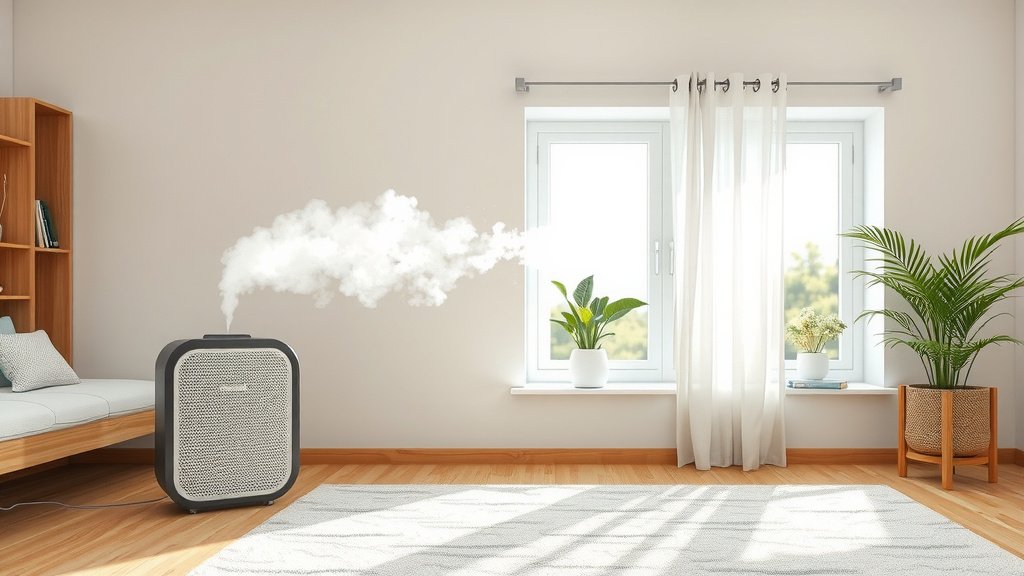
Once the particles are removed, the now-cleaner air is released back into your living space. You can breathe easier knowing the air is fresher. Many users report a noticeable difference.
Why Choose Electrostatic Technology?
This method of air purification offers several advantages over other types. Let’s look at what makes it stand out.
No Disposable Filters to Buy
One of the biggest draws is that most electrostatic purifiers don’t use traditional disposable filters. Instead, they have washable collector plates. This means you don’t have to keep buying replacement filters. You just remove the plates and clean them. This can lead to significant savings over time. We found that this is a major benefit for many households.
Quiet and Energy Efficient
Because they often don’t have bulky filters, these units tend to be very quiet. This is great for bedrooms or offices. Many are also designed to be energy efficient. They use less electricity compared to some other air purifier models. This means a lower electricity bill for you.
Effective Against Small Particles
Electrostatic purifiers are excellent at capturing microscopic particles. This includes things like dust mites, pet dander, pollen, and smoke. These are common culprits behind allergies and respiratory issues. The charging process makes them easy targets for the collector plates. The American Lung Association notes that reducing exposure to these irritants is important for lung health.
Potential Considerations
While electrostatic purifiers are great, it’s good to be aware of a couple of things. Understanding these helps you make the best choice for your home.
Ozone Production
Some ionizers can produce small amounts of ozone as a byproduct. Ozone is a lung irritant. However, many modern electrostatic purifiers are designed to minimize or eliminate ozone production. Always check the manufacturer’s specifications. We found that units certified by organizations like CARB (California Air Resources Board) have strict limits on ozone output.
Regular Cleaning is Key
Since there are no disposable filters, you need to clean the collector plates regularly. If they aren’t cleaned, their ability to attract particles will decrease. The frequency depends on how often you run the purifier and how dirty your air is. Typically, cleaning them every few weeks is recommended. It’s a simple task that keeps your purifier working its best.
A Simple Checklist for Electrostatic Purifier Care
To ensure your electrostatic air purifier works efficiently, follow these easy steps:
- Unplug the unit before cleaning.
- Carefully remove the collector plates.
- Wash plates with mild soap and water.
- Rinse thoroughly and let them dry completely.
- Reassemble the purifier once dry.
- Run it regularly for the best results.
Comparing Technologies: A Quick Look
It can be helpful to see how electrostatic purification stacks up. Here’s a brief comparison to other common types.
| Purifier Type | How it Works | Filter Replacement | Pros | Cons |
|---|---|---|---|---|
| Electrostatic | Uses an electric charge to attract particles. | No disposable filters; plates are washable. | Cost-effective long-term, quiet, good for small particles. | Potential for ozone, requires regular cleaning. |
| HEPA Filter | Physically traps particles in a dense filter. | Requires regular filter replacement (monthly to yearly). | Highly effective, removes a wide range of particles. | Ongoing filter costs, can be noisy, may restrict airflow. |
| Activated Carbon | Adsorbs odors and gases using porous carbon. | Filter needs replacement when saturated. | Excellent for smells, VOCs (volatile organic compounds). | Doesn’t capture fine particles well on its own. |
Making the Choice for Your Home
An electrostatic air purifier is a smart investment for many. It offers a unique way to tackle airborne irritants. By understanding how the electric charge works, you can appreciate its effectiveness. Remember to consider the cleaning requirements and any potential ozone concerns. Many experts agree that cleaner air leads to a healthier home environment (CDC). This technology can certainly help you achieve that goal.
Conclusion
You’ve learned how electrostatic air purifiers use a simple electrical charge to capture airborne particles. This technology offers a cost-effective and quiet way to improve your home’s air quality. By attracting pollutants to collector plates, it removes allergens without the need for disposable filters. Just remember that regular cleaning of these plates is key to maintaining performance. Now that you understand the science, you can make an informed decision about bringing cleaner air into your living space.
Frequently Asked Questions
Do electrostatic air purifiers actually work for allergies?
Yes, electrostatic air purifiers can be very effective for allergies. They excel at capturing common allergens like pollen, dust mites, and pet dander. By removing these tiny particles from your air, they can help reduce allergy symptoms for many people.
How often do I need to clean the collector plates?
The frequency of cleaning your collector plates depends on your environment. Generally, checking and cleaning them every 2-4 weeks is recommended. If you have pets or live in a high-pollen area, you might need to clean them more often.
Are electrostatic air purifiers safe for continuous use?
Most modern electrostatic air purifiers are designed for continuous use and are safe. However, it’s important to choose a unit that has been certified to produce minimal to no ozone. Always check manufacturer specifications and look for certifications like CARB compliance.
Can electrostatic purifiers remove odors and gases?
While electrostatic purifiers are excellent at removing particulate matter like dust and pollen, they are not as effective at removing odors and gases. For odor and gas removal, you would typically need a unit with an activated carbon filter in addition to the electrostatic component.
What’s the main difference between electrostatic and HEPA filters?
The main difference lies in how they capture particles. Electrostatic purifiers use an electric charge to attract particles to plates. HEPA filters physically trap particles in a dense filter material. Electrostatic units have washable plates, while HEPA filters require regular replacement.