Plants That Clean Indoor Air July 2026
Yes, plants absolutely help purify your indoor air by absorbing common household toxins. They work through a natural process that removes harmful chemicals like formaldehyde and benzene. Many scientific studies confirm their air-cleaning abilities, making them a great natural solution for a healthier home environment.
When plants take in air, they absorb pollutants through their leaves and roots. This process helps reduce the levels of volatile organic compounds (VOCs) often found in cleaning supplies and furniture. Having several plants can make a noticeable difference in your air quality over time.
- Plants absorb airborne toxins.
- They remove chemicals like formaldehyde.
- Roots and leaves play a key role.
- A group of plants can improve air quality.
Let’s walk through exactly how these green wonders keep your air fresh and clean, and discover which ones are the best at the job.
Here is the main body content for your blog post:How Plants Naturally Clean Your Indoor Air
You might be wondering, can a humble houseplant really make a difference in the air you breathe indoors? The short answer is yes! Research has shown that plants possess an amazing ability to filter out common household pollutants.
They act like tiny, living air purifiers, working tirelessly to improve the atmosphere in your home. It’s a natural process that’s been happening for millennia, long before electronic air purifiers were invented.
The Science Behind Plant Air Purification
Plants clean the air through a process called phytoremediation. This term might sound complicated, but it simply means using plants to remove toxins. It’s a natural skill they’ve developed over time.
The magic happens in two main places: the leaves and the roots. Both work together to capture and break down harmful substances.
What Pollutants Do Plants Remove?
Many common household items release volatile organic compounds (VOCs) into the air. Think about things like furniture, cleaning products, and even paint. These VOCs can contribute to poor indoor air quality.
Studies have identified several specific chemicals that plants are good at absorbing. These include:
- Formaldehyde: Often found in particleboard, furniture, and carpets.
- Benzene: Common in plastics, resins, and synthetic fibers.
- Toluene and Xylene: Found in paints, glues, and solvents.
- Trichloroethylene: Present in lacquers, varnishes, and adhesives.
How Leaves and Roots Do the Work
Plants inhale air through tiny pores on their leaves called stomata. As the air passes through, the plant can absorb certain pollutants. It’s like they’re breathing in the bad stuff!
Once inside the plant, these chemicals are transported to the roots. Microorganisms living in the soil around the roots are key players. These beneficial microbes help break down the absorbed toxins into harmless substances. Think of the microbes as the plant’s tiny cleanup crew.
A fascinating study from NASA actually highlighted this potential for plants to purify air. They identified specific plants that were particularly effective at removing common VOCs. This research opened many eyes to the air-cleaning power of houseplants.
The Role of Potting Soil and Microbes
It’s not just the plant itself that’s doing the heavy lifting. The soil and the microorganisms within it are just as important, if not more so. These microbes are essential for breaking down the toxins that the plant absorbs.
Without these soil microbes, the plant would simply store the toxins. The microbes essentially digest them, making them disappear. This symbiotic relationship is what makes the whole process work so effectively.
When you choose a plant, consider its soil. A healthy, living soil ecosystem is vital for optimal air purification. This is why it’s often recommended to avoid overly sterile potting mixes.
Which Plants Are the Best Air Purifiers?
Not all plants are created equal when it comes to cleaning your air. Some species have proven to be more effective than others. We found that certain plants consistently show up on lists of top air purifiers.
Remember, while individual plants help, having a collection of them can significantly boost your home’s air quality. It’s like having a mini-forest working for you!
Top Performers in Air Purification
Based on various studies, some plants are consistently recognized for their air-cleaning prowess. Here are a few of the most popular and effective:
| Plant Name | Key Toxins Removed | Ease of Care |
|---|---|---|
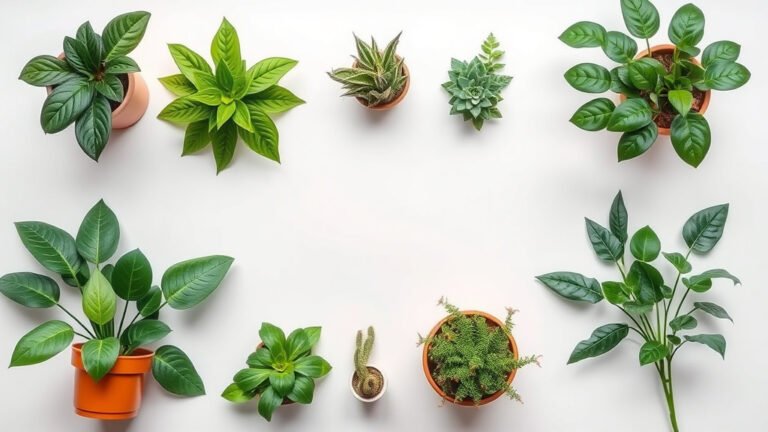
| Snake Plant (Sansevieria trifasciata) | Formaldehyde, Benzene, Xylene, Trichloroethylene | Very Easy |
| Spider Plant (Chlorophytum comosum) | Formaldehyde, Xylene | Easy |
| Peace Lily (Spathiphyllum) | Formaldehyde, Benzene, Toluene, Xylene | Moderate |
| Boston Fern (Nephrolepis exaltata) | Formaldehyde, Xylene | Moderate |
| Chinese Evergreen (Aglaonema) | Formaldehyde, Benzene | Easy |
Having one or two of these can certainly help. But imagine the impact of having several different types scattered throughout your home! More plants mean more filtration happening constantly.
Are Houseplants Enough for Serious Air Quality Issues?
It’s important to set realistic expectations. While plants are wonderful for improving general indoor air quality, they may not be sufficient on their own to combat severe pollution or allergies.
Think of plants as a fantastic natural supplement to other air-cleaning strategies. They work best as part of a broader approach to maintaining a healthy home environment. Good ventilation and regular cleaning are also very important.
We found that combining houseplants with other methods provides the best results for many people. It’s about creating a balanced approach to your home’s air.
Maximizing Your Plant’s Air-Purifying Potential
Want to get the most out of your green companions? A few simple practices can help boost their air-cleaning abilities. You’re already doing great by bringing them home!
Watering and Light Needs
Ensuring your plants are healthy is the first step. A thriving plant is a better air purifier. Make sure you understand their individual needs for water and light.
For example, some plants, like the Snake Plant, can tolerate lower light conditions and infrequent watering. Others, like the Boston Fern, prefer more consistent moisture and brighter, indirect light.
When a plant is well-cared for, its metabolic processes are more efficient. This means it can process more air. It’s a win-win for you and your plant!
Regular Cleaning and Maintenance
Dust can accumulate on plant leaves, blocking the stomata. This can hinder their ability to absorb air. Gently wiping down the leaves with a damp cloth periodically can make a big difference.
Also, check for pests. Healthy plants are more effective. If you notice any issues, address them promptly. You want your little air filters to be in tip-top shape!
Consider the Number of Plants
One study suggested that you’d need a very large number of plants to significantly impact air quality in a typical room. While this might sound discouraging, it’s important to remember the cumulative effect.
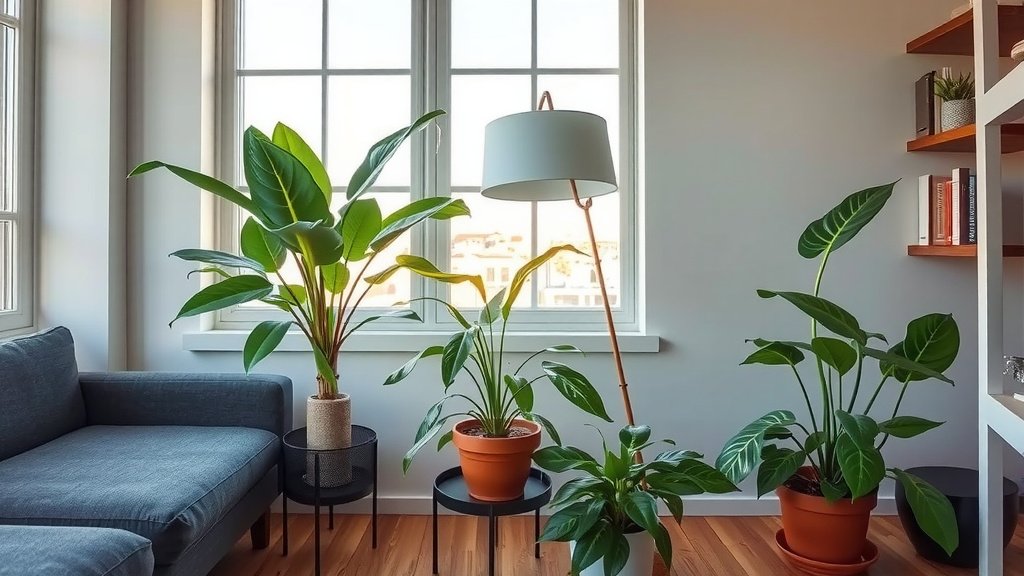
Even if one plant doesn’t purify an entire room on its own, a collection of plants working together can create a healthier atmosphere. We found that multiple plants in a space generally lead to better overall air quality.
Think of it like this: one drop of water doesn’t fill a bucket, but many drops do. Your plants are those drops! Having plants scattered in different rooms contributes to a cleaner home overall.
A Quick Checklist for Healthier Indoor Air with Plants:
- Choose plants known for air purification.
- Ensure they have the right light and water.
- Wipe leaves clean regularly.
- Keep plants healthy and pest-free.
- Use a good quality potting mix.
- Add more plants over time for a greater effect.
Conclusion
You’ve learned that your houseplants are more than just decoration; they’re natural air purifiers! Through phytoremediation, they absorb toxins like formaldehyde and benzene, thanks to their leaves, roots, and helpful soil microbes. While a single plant won’t transform your home’s air overnight, a collection of healthy, well-cared-for plants can noticeably improve your indoor environment.
Ready to breathe easier? Start by choosing a few of the top air-purifying plants we discussed and give them the right conditions to thrive. Your home will thank you for it!
Frequently Asked Questions
How many plants do I really need to purify my air?
Research suggests you’d need quite a few plants to significantly alter the air quality in a large room. However, even a few plants working together can create a healthier atmosphere. Aim for several plants scattered throughout your home for the best cumulative effect.
Do the microbes in the soil really matter for air purification?
Yes, soil microbes are essential! They act as the “cleanup crew” for your plants. While the plant absorbs toxins through its leaves and roots, these microbes break down the harmful substances in the soil, preventing the plant from storing them.
Can plants remove *all* indoor air pollutants?
Plants are excellent at removing common VOCs like formaldehyde and benzene, but they can’t eliminate every single pollutant. They are best used as a natural supplement to good ventilation and regular cleaning practices for a healthier home.
What’s the best way to make sure my plants are good at purifying air?
The key is to keep your plants healthy! Ensure they receive the correct amount of light and water, and check them regularly for pests. Gently wiping dust off their leaves also helps them breathe and absorb more air.
Are there specific times of day when plants purify air better?
Plants purify air continuously, but the process is most active during daylight hours when photosynthesis is occurring. They take in carbon dioxide and release oxygen, and this is also when they are most effectively absorbing airborne toxins through their stomata.