How Portable Air Purifiers Work Explained
Portable air purifiers work by drawing in air, filtering out pollutants, and then releasing cleaner air back into your room. They typically use a fan to pull air through a series of filters, trapping particles like dust, pollen, and smoke. Many models also include activated carbon filters to absorb odors and volatile organic compounds (VOCs). This process helps to **improve your indoor air quality** and create a **healthier living space**, especially for those with allergies or asthma. You can get a surprising amount of **clean air** from these compact devices.
We found that the effectiveness of these units often comes down to their filtration system. High-efficiency particulate air (HEPA) filters are key for capturing tiny particles, while other filters target specific issues like pet dander or smoke. Understanding the different types of filters helps you choose a unit that best suits your needs. Many portable air purifiers are designed for ease of use and can be moved from room to room, offering **targeted air cleaning** where you need it most. They are a **convenient solution** for many homes.
- Portable air purifiers clean your air using fans and filters.
- HEPA filters are great for trapping small particles.
- Activated carbon filters help with odors and smells.
- They are easy to move and offer flexible air cleaning.
Let’s walk through exactly how these handy devices go about their air-cleaning magic step by step.
Here’s the main body content for your blog post:How Portable Air Purifiers Actually Clean Your Air
So, you’re curious about the magic behind those compact air-cleaning gadgets? You’ve got the right idea! Portable air purifiers are surprisingly effective. They work by using a fan to pull air into the unit and then pushing it through a series of filters. This process traps airborne particles and releases cleaner air back into your room. It’s a simple yet clever design that can make a real difference in your home’s air quality.
The Fan: Your Air’s Entry Point
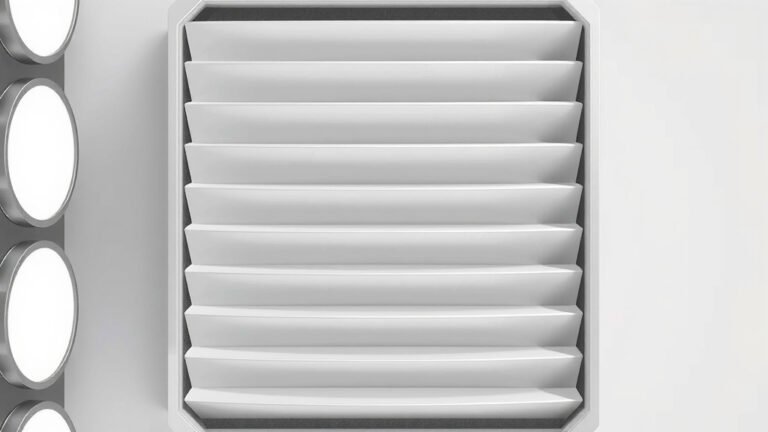
Every air purifier starts with a fan. Think of it as the lung of the device. This fan is responsible for drawing the surrounding air into the purifier. It’s this consistent airflow that ensures the air in your room gets cycled through the filtering system. The speed of the fan often determines how quickly the purifier can clean a space. A stronger fan can process more air in a shorter amount of time, which is great for larger rooms or areas with more pollutants.
The Filtration System: The Heart of the Matter
This is where the real cleaning happens. Portable air purifiers use different types of filters to tackle various pollutants. Most units will have a combination of these, working together to give you the cleanest air possible. We found that the type and quality of filters are the biggest factors in an air purifier’s effectiveness.
Pre-Filters: The First Line of Defense
The first filter your air encounters is usually a pre-filter. Its main job is to catch larger particles. Think dust bunnies, pet hair, and larger pieces of lint. This is super important because it protects the more sensitive filters further down the line. By catching these bigger offenders, the pre-filter helps to extend the lifespan of the other filters, saving you money in the long run.
HEPA Filters: Capturing the Tiny Invaders
Next up is often the star of the show: the HEPA filter. HEPA stands for High-Efficiency Particulate Air. These filters are designed to capture at least 99.97% of airborne particles that are 0.3 microns in size. To put that in perspective, a human hair is about 75 microns wide! So, HEPA filters can trap things like pollen, mold spores, dust mites, and even some bacteria and viruses. Many health organizations recommend HEPA filters for improving indoor air quality (CDC).
Activated Carbon Filters: Banishing Odors and Gases
Beyond solid particles, you might also want to deal with smells and gases. This is where activated carbon filters shine. These filters contain activated carbon, which is treated to be incredibly porous. This porosity gives it a huge surface area to absorb gases, odors, and volatile organic compounds (VOCs). VOCs can come from cleaning products, paints, and even furniture. If cooking smells, pet odors, or that “new carpet” smell bothers you, an activated carbon filter is your friend.
Other Specialized Filters
Some air purifiers go the extra mile with additional filter types. You might find filters specifically designed to capture smoke from wildfires or cooking. Others might have an antimicrobial coating to inhibit the growth of mold and bacteria on the filter itself. Always check what specific pollutants a unit is designed to target.
The Clean Air Outlet: Releasing Freshness
Once the air has made its journey through the filtering system, it’s ready to be released back into your room. The fan pushes the now-cleaner air out through an outlet. This creates a continuous cycle of air purification. You’ll feel the gentle breeze of fresh air, a welcome change from the potentially stale or polluted air it started with. It’s like giving your room a mini-breath of fresh air on demand.
Understanding CADR and Room Size
When looking at portable air purifiers, you’ll often see a rating called CADR, which stands for Clean Air Delivery Rate. This rating tells you how quickly a specific air purifier can clean the air in a room. It’s measured for three common pollutants: dust, smoke, and pollen. A higher CADR means the purifier works faster and is more effective for larger spaces. Most manufacturers will specify the ideal room size for their unit. It’s important to match the purifier’s capacity to your room’s square footage. Using a purifier that’s too small for a large room just won’t cut it. You won’t get the results you’re hoping for.
Maintenance: Keeping Your Purifier Humming
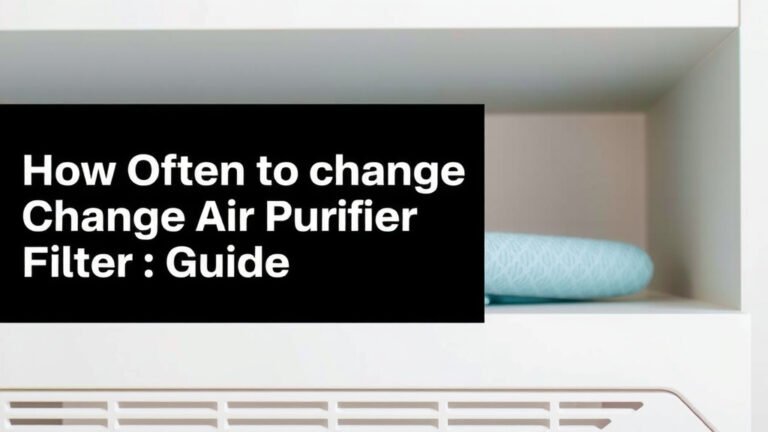
For your portable air purifier to keep working its best, you’ll need to do a little maintenance. This usually involves cleaning or replacing the filters. Pre-filters can often be washed or vacuumed. HEPA and carbon filters typically need to be replaced after a certain period, usually every 6-12 months, depending on usage and air quality. Your purifier’s manual will have the exact schedule. Ignoring filter maintenance means your purifier becomes less effective, and air can struggle to pass through clogged filters.
Making the Most of Your Portable Air Purifier
To maximize the benefits, here are a few tips we found helpful:
- Place your air purifier in the room where you spend the most time.
- Keep windows and doors closed while the purifier is running for best results.
- Run your air purifier continuously, especially during allergy season or when outdoor air quality is poor.
- Clean or replace filters on schedule – this is critical!
- Consider multiple units for different rooms if needed.
Ultimately, these devices provide a straightforward and effective way to improve the air you breathe at home. They tackle common indoor air pollutants, offering a tangible benefit for many households.
Conclusion
You’ve learned how portable air purifiers work by drawing air in, filtering out pollutants with systems like HEPA and activated carbon, and then releasing cleaner air. These devices are a convenient solution for improving your indoor environment. By understanding the fan’s role, the filtration stages, and how CADR relates to room size, you can make an informed choice. Remember that regular filter maintenance is key to ensuring your purifier continues to perform effectively. Now you’re ready to choose the right unit to start breathing easier in your own home!
Frequently Asked Questions
Do portable air purifiers actually make a noticeable difference?
Yes, they often do! You can experience a noticeable difference in air freshness and a reduction in common allergens like dust and pollen. Many users with allergies or asthma report fewer symptoms when consistently using a good quality portable air purifier.
How often do I need to replace the filters?
Filter replacement frequency varies by model and usage, but typically HEPA and carbon filters need replacement every 6 to 12 months. Your air purifier’s manual will provide the exact schedule, and it’s essential to follow it for optimal performance.
Can a small portable air purifier handle a large room?
Generally, no. A small purifier is best suited for smaller spaces like bedrooms or offices. For larger rooms, you’ll want to look for a unit with a higher CADR rating and one specifically designed for larger square footage to ensure effective air cleaning.
Are portable air purifiers noisy?
Most portable air purifiers operate with a low hum, especially on lower fan settings. Some models are designed for quiet operation and are ideal for bedrooms. You can check noise level ratings (often in decibels) before purchasing.
Can portable air purifiers get rid of smoke smell?
Yes, many portable air purifiers with activated carbon filters are very effective at absorbing odors and smoke smells. If smoke is a primary concern, look for a purifier that specifically highlights its capabilities in smoke filtration.