How to Store a Mattress Long Term: A Guide
Storing a mattress long term requires careful preparation to prevent damage and ensure it remains in good condition. The best way to store a mattress is to keep it clean, dry, and protected from pests and moisture in a climate-controlled environment.
You might be wondering about the best practices to keep your mattress fresh. We’ve found that proper storage can extend its lifespan significantly. Protecting your mattress from things like dust, humidity, and potential critters is key to a successful long-term storage solution.
- Keep it clean and dry before storing.
- Use a breathable mattress bag for protection.
- Store it flat if possible, or upright if flat isn’t an option.
- Choose a cool, dry, and dark storage location.
- Avoid plastic wrap that traps moisture.
Let’s walk through exactly how to store your mattress properly so it’s ready when you need it again.
“`htmlStoring Your Mattress for the Long Haul
Storing a mattress long term can feel like a puzzle. You want to keep it safe from damage. Many experts agree that protecting your mattress from moisture and pests is key. We found that this prevents mold, mildew, and other issues that can ruin a good night’s sleep.
Preparation is Key: Cleaning and Drying
Before you even think about packing it away, you need to get your mattress clean and dry. This is perhaps the most important step. A dirty or damp mattress can attract bugs and grow mold. Think of it like packing away winter clothes; you wash them first, right?
Research suggests that a thorough cleaning can prevent many common storage problems. This means vacuuming both sides of your mattress. Pay attention to seams and crevices where dust and debris can hide. If there are any stains, spot clean them according to the manufacturer’s instructions. Always let the mattress air dry completely. Even a little bit of moisture can cause big problems later.
Spot Cleaning Techniques
For minor stains, you can use a mild detergent mixed with water. Dampen a cloth and gently rub the stain. Avoid soaking the mattress. Too much liquid can seep into the padding. After cleaning, use a dry cloth to absorb excess moisture. Then, let it air dry for at least 24 hours. Ensure good air circulation around the mattress.
The Importance of Complete Drying
We cannot stress this enough: your mattress must be bone dry before storage. Dampness is a magnet for mold and mildew. This can lead to permanent discoloration and unpleasant odors. Sunlight can help dry a mattress, but avoid prolonged exposure. Too much sun can degrade certain materials. Air drying in a well-ventilated room is often the safest bet.
Choosing the Right Protective Cover
Once your mattress is clean and dry, you need to protect it. This is where a good mattress bag comes in. Not all bags are created equal, though. You want something that will shield it from dust, dirt, and moisture.
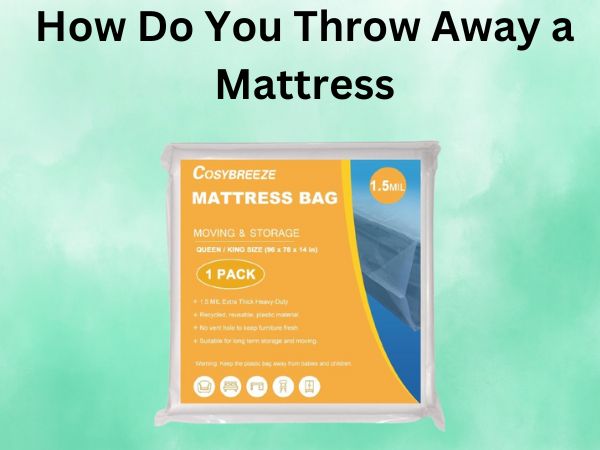
Many guidelines recommend using a breathable mattress bag. These are often made of materials like non-woven fabric or Tyvek. They offer protection without trapping moisture. This is crucial for preventing condensation inside the bag. We found that a plastic bag can sometimes be worse than no bag at all. Plastic traps moisture and can create a greenhouse effect.
Types of Mattress Bags
There are several types of mattress bags available.
- Plastic Mattress Bags: These are cheap and readily available. However, they are not breathable. They can trap moisture, leading to mold and mildew growth (Cleveland Clinic).
- Breathable Fabric Bags: These are made from materials that allow air to circulate. They offer good protection against dust and dirt while allowing moisture to escape. Many experts recommend these for long-term storage.
- Heavy-Duty Zippered Bags: Some come with a zipper for easy access and a tighter seal. Ensure the material is still breathable.
How to Bag Your Mattress
Sliding a mattress into a bag can be tricky, especially for larger sizes. You might need a second person to help. Carefully place the mattress inside the bag. Make sure it lies flat. Then, zip it up or seal it securely. If your bag doesn’t have a zipper, you can use heavy-duty tape to seal any openings. Ensure there are no gaps where pests or moisture can get in. It’s like giving your mattress a cozy, protective sleeping bag.
Selecting the Ideal Storage Location
Where you store your mattress is almost as important as how you pack it. The environment plays a huge role in its preservation. You want a place that is stable and free from environmental extremes.
Research consistently points to a cool, dry, and dark place as the best option. Extreme temperatures and humidity are mattress enemies. They can break down the materials and lead to damage over time. Many experts advise against storing mattresses in attics, garages, or basements.
Why Temperature and Humidity Matter
Fluctuating temperatures can cause materials to expand and contract. This can stress the mattress over time. High humidity is a breeding ground for mold and mildew. It can also make the mattress feel damp and musty. Even if the mattress is well-protected, extreme conditions can still affect it.
According to storage professionals, a stable temperature between 50-70 degrees Fahrenheit is ideal. Humidity levels should be kept below 50%. This environment helps maintain the integrity of your mattress materials. It’s similar to how fine art or wine is stored.
Where to (and Not to) Store Your Mattress
Good Options:
- A climate-controlled storage unit.
- An interior closet in your home, provided it’s dry and not overcrowded.
- A guest room that isn’t subject to extreme temperature swings.
- Garages: Often subject to extreme temperatures and humidity. They can also attract pests.
- Attics: Very hot in the summer and cold in the winter. Moisture can also be a problem.
- Basements: Typically damp and prone to flooding.
Positioning Your Mattress for Storage
How you physically position the mattress during storage can also impact its condition. The ideal position depends on your available space and the mattress type.
Storing Flat vs. Upright
Ideally, you should store your mattress flat. This distributes its weight evenly and prevents pressure points from forming. Laying it on a flat surface, like the floor or a sturdy rack, is best. Avoid stacking heavy items on top of it. This can cause permanent indentations.
However, we know that flat storage isn’t always possible. If you must store it upright, make sure it’s supported properly. Lean it against a wall in a way that doesn’t put undue stress on the edges. Avoid leaning it in a corner where one side bears all the weight. We found that some experts suggest upright storage is acceptable for shorter periods, but flat is always preferable for long-term preservation.
Considerations for Different Mattress Types
Memory foam and latex mattresses can be more sensitive to improper storage. These materials can compress over time if stored incorrectly. Innerspring mattresses are generally more forgiving. However, even they can develop sags or coils can shift if stored improperly for extended periods. Always check your manufacturer’s recommendations.
Final Checks Before Storing
Before you seal the deal and put your mattress away, run through a quick checklist. This ensures you haven’t missed any crucial steps.
Here’s a quick rundown:
- Is the mattress completely clean and dry?
- Is it protected by a breathable mattress bag?
- Is the bag sealed properly to keep out pests and moisture?
- Have you chosen a cool, dry, dark storage location?
- Is the mattress positioned flat if possible, or supported well if upright?
Taking these small steps now can save you a lot of trouble down the road. You’ll thank yourself when you unroll a fresh, comfortable mattress later!
“`Conclusion
Storing your mattress long term doesn’t have to be complicated. By focusing on keeping it clean, dry, and well-protected, you can ensure it stays in great condition. Remember to use a breathable bag and choose a stable, climate-controlled environment. Proper preparation prevents damage from moisture, pests, and temperature extremes. Your efforts now will guarantee a fresh and comfortable mattress when you need it again. Take these steps to protect your investment and ensure great sleep down the road.
Frequently Asked Questions
Can I store a mattress on its side?
Storing a mattress flat is always ideal to prevent pressure points and material breakdown. If space is limited and you must store it upright, ensure it’s well-supported against a wall. Avoid leaning it in a corner where one side bears all the weight, as this can cause damage over time.
How long can I store a mattress?
With proper storage, a mattress can be kept for several years. The key is maintaining a stable environment free from moisture, pests, and extreme temperature fluctuations. Regularly check on your stored mattress if possible, especially if it’s in a less controlled environment.
What happens if I store a mattress in a damp area?
Storing a mattress in a damp area is highly discouraged. It creates a breeding ground for mold and mildew, which can cause permanent stains, unpleasant odors, and degrade the mattress materials. Moisture can also attract pests.
Do I need a special mattress bag for storage?
Yes, a breathable mattress bag is highly recommended. These bags protect against dust and pests while allowing air circulation, which prevents moisture buildup. Avoid tightly sealed plastic wrap, as it can trap humidity and lead to mold.
Can I put anything on top of a stored mattress?
It’s best to avoid placing anything heavy on top of a stored mattress, especially if it’s stored flat. Heavy items can create indentations and pressure points that may become permanent. Keep the mattress free of additional weight to preserve its shape and support.
![What Is The Best Mattress for 200 Pound Side Sleeper [In 2026]](https://homeunderstandable.com/wp-content/uploads/2025/11/Best-Mattress-for-200-Pound-Side-Sleeper.jpg)
![What Is The Best Box Spring for Puffy Mattress [In 2026]](https://homeunderstandable.com/wp-content/uploads/2025/06/best-box-spring-for-puffy-mattress.jpg)
![What Is The Best Mattress For Back Support And Comfort [In 2026]](https://homeunderstandable.com/wp-content/uploads/2025/11/Best-Mattress-For-Back-Support-And-Comfort.jpg)
![What Is The Best Firm Hybrid Mattress for Side Sleepers [In 2026]](https://homeunderstandable.com/wp-content/uploads/2025/06/best-firm-hybrid-mattress-for-side-sleepers-ultimate-comfort-and-support-guide.jpg)
![7 Best Mattress Protector For Elderly [2026]](https://homeunderstandable.com/wp-content/uploads/2026/07/7-best-mattress-protector-for-elderly-2026-featured-768x432.jpg)