How a HEPA Air Purifier Works: The Science Explained
A HEPA air purifier works by forcing your indoor air through a very fine mesh filter. This filter is designed to trap tiny particles, like dust, pollen, and pet dander. It’s a simple yet effective way to clean the air you breathe at home, making it a popular choice for allergy sufferers and anyone seeking fresher air.
When air passes through the HEPA filter, these microscopic bits get caught. This process can significantly reduce airborne irritants. Many experts say that a HEPA filter can capture 99.97% of particles as small as 0.3 microns. This means fewer allergens floating around your living space.
- HEPA filters trap tiny particles from the air.
- They can catch up to 99.97% of airborne irritants.
- This includes common allergens like dust, pollen, and pet dander.
- The process helps create cleaner, fresher indoor air.
Let’s walk through exactly how this amazing air cleaning technology keeps your home’s air so fresh. You’ll see just how easy it is for a HEPA purifier to make a big difference.
Understanding How a HEPA Air Purifier Cleans Your Air
So, you’re curious about how a HEPA air purifier actually works its magic? It’s simpler than you might think! Think of your home’s air like a gentle river. Tiny particles are always floating along. A HEPA purifier acts like a super-efficient net for that river. It pulls the air in and passes it through a special filter. This filter is designed to catch almost everything you don’t want floating around.
The Heart of the System: The HEPA Filter
The most important part, of course, is the HEPA filter itself. HEPA stands for High-Efficiency Particulate Air. That’s a fancy name for a very special kind of filter. It’s made of a dense mat of randomly arranged fibers. These fibers are incredibly fine and are packed very tightly together. We found that these filters are specifically designed to trap microscopic particles.
How the HEPA Filter Captures Particles
It’s not just a simple sieve, though. The filter uses a few different mechanisms to grab onto tiny bits. Larger particles might just get stuck directly on the fibers, like a big leaf hitting a fence. But smaller particles get trapped in other ways too. They can bounce off fibers and get stuck, a process called **interception**. Even smaller ones might get bumped around by air molecules and land on a fiber, which is known as **Brownian motion**. This multi-pronged approach is key to their effectiveness.
What Exactly Does “HEPA” Mean?
To be certified as a true HEPA filter, it must remove at least 99.97% of airborne particles that are 0.3 microns in diameter. This size is often considered the most difficult to capture. Think about how small that is! A human hair is about 80 microns wide. So, a HEPA filter is capturing particles that are hundreds of times smaller than the width of your hair. We found that this standard is widely accepted by health organizations.
Beyond the HEPA Filter: The Full Purifier Process
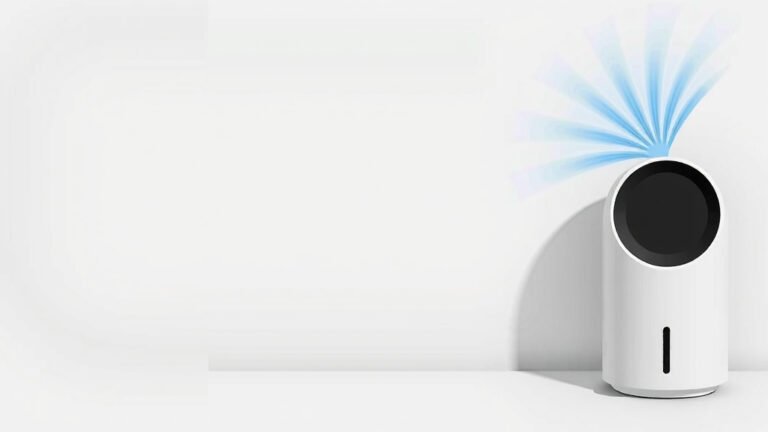
While the HEPA filter is the star of the show, it works as part of a system. The air purifier needs a way to move air through that filter. This is where the fan comes in. The fan is designed to pull room air into the purifier and then push the cleaned air back out into your room. The speed of the fan determines how much air the purifier can clean in a given amount of time, often measured in CADR (Clean Air Delivery Rate).
The Role of the Fan
The fan’s job is straightforward: to create airflow. It draws air from your surroundings. This air then flows directly towards the HEPA filter. The stronger the fan, the more air it can process per minute. Many purifiers allow you to adjust the fan speed. This lets you tailor the cleaning power to your needs. For example, you might use a higher setting when cooking or if a pet is shedding a lot.
Pre-filters and Other Layers
Many HEPA air purifiers also include other filters. These are often placed *before* the HEPA filter. A common one is a pre-filter. Its main job is to catch the larger particles. Things like pet hair, lint, and larger dust bunnies are caught here. This is really smart because it protects the main HEPA filter. It prevents the finer filter from getting clogged too quickly. This can extend the life of your HEPA filter. Some units might also include activated carbon filters. These are great for absorbing odors and gases. They can tackle things like cooking smells or smoke.
| Filter Type | What It Captures | Why It’s Important |
|---|---|---|
| Pre-filter | Large particles (hair, lint, large dust) | Protects the HEPA filter and extends its life. |
| HEPA Filter | Fine particles (dust, pollen, mold spores, dander, bacteria) | Removes up to 99.97% of airborne irritants 0.3 microns and larger. |
| Activated Carbon Filter | Odors, gases, VOCs (volatile organic compounds) | Freshens the air by removing smells and certain airborne chemicals. |
Putting It All Together: The Airflow Path
Imagine air entering your purifier. It first hits the pre-filter, if one exists. This stops the big stuff. Then, the air moves to the main HEPA filter. Here, the microscopic particles are trapped. If there’s an activated carbon filter, the air passes through it next. This is where smells and gases get absorbed. Finally, the fan pushes the newly cleaned air back out into your room. This cycle repeats continuously, cleaning your indoor air over and over.
Why This Matters for Your Health
This entire process can make a noticeable difference in your home environment. By removing these tiny irritants, you can experience fewer allergy symptoms. Things like sneezing, itchy eyes, and congestion can decrease. We found that a cleaner air environment is often linked to better respiratory health. It’s a simple way to improve the air you breathe every single day.
Here’s a quick checklist to remember the main points:
- Air is drawn into the purifier.
- Larger particles are caught by a pre-filter (if present).
- Microscopic particles are trapped by the HEPA filter.
- Odors and gases are absorbed by carbon filters (if present).
- Clean air is then released back into your room.
- This cycle helps reduce airborne allergens and irritants.
Conclusion
You now understand how a HEPA air purifier works to clean your indoor air. The process involves pulling air through a dense HEPA filter that traps nearly all microscopic particles. Additional filters, like pre-filters and activated carbon, work alongside to enhance air quality. This system can reduce allergens and irritants, leading to a healthier home environment for you and your family. Ready to breathe easier? Consider researching models that fit your home’s needs and start enjoying cleaner air today.
Frequently Asked Questions
How often do I need to replace a HEPA filter?
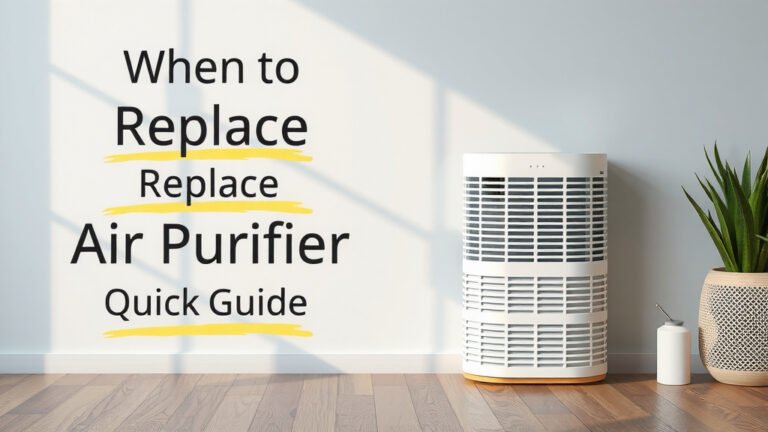
Filter replacement frequency varies by model and usage, but most manufacturers recommend replacing the HEPA filter every 6 to 12 months. You might need to replace it sooner if you live in a high-pollen area or have pets that shed a lot. Checking your air purifier’s manual is the best way to know for sure.
Can a HEPA air purifier remove odors?
While the HEPA filter itself is excellent at trapping particulate matter, it doesn’t typically remove odors or gases. Many HEPA purifiers include an activated carbon filter layer specifically designed to absorb these airborne molecules. You’ll want to look for a model with a substantial carbon filter if odor removal is a priority for you.
Are HEPA purifiers effective against viruses and bacteria?
Yes, true HEPA filters are designed to capture particles down to 0.3 microns with 99.97% efficiency. This includes many bacteria and viruses, which are often smaller than 0.3 microns but tend to travel attached to larger particles like dust or water droplets. Capturing these larger particles helps reduce the overall presence of airborne pathogens in your home.
What’s the difference between a “HEPA filter” and a “HEPA-type” filter?
A true HEPA filter must meet strict performance standards, capturing 99.97% of particles 0.3 microns in size. A “HEPA-type” or “HEPA-like” filter may capture a high percentage of particles but doesn’t necessarily meet the official HEPA standard. Always look for the “True HEPA” certification to ensure you’re getting the highest level of filtration.
Do HEPA air purifiers use a lot of electricity?
Modern HEPA air purifiers are generally energy-efficient, especially when run on lower fan settings. The energy consumption depends on the motor size and fan speed. Running your purifier continuously on a low setting is often more efficient than turning it on and off frequently. You can find energy usage information in the product specifications.