Are Air Purifiers Effective for Dust? The Truth Revealed
Yes, air purifiers can be quite effective at reducing dust in your home. They work by drawing in air and filtering out tiny particles, including those pesky dust bunnies. For many, an air purifier is a great tool for cleaner air.
When you’re dealing with dust, especially if allergies are a concern, the right air purifier can make a noticeable difference. Look for models with true HEPA filters, as these are designed to trap 99.97% of airborne particles as small as 0.3 microns.
- Air purifiers are generally effective against dust.
- Look for models with HEPA filters for best results.
- They capture small particles that settle as dust.
- Proper placement and filter maintenance are key.
- They can help reduce allergens associated with dust.
We’ve gathered information to help you understand just how well these devices tackle dust. Let’s walk through exactly how they work and what to consider for your home.
How Well Do Air Purifiers Tackle Household Dust?
You might be wondering if an air purifier is really worth it for dust. We’ve looked into it, and the answer is a solid yes, with a few important considerations. They can be a fantastic addition to your home cleaning routine.
Understanding How Air Purifiers Combat Dust
Think of an air purifier as a vacuum cleaner for the air in your home. It pulls in the air around you. Tiny particles, like dust, dander, and pollen, get caught in its filter. This process removes dust from the air before it can settle on your furniture.
The Role of HEPA Filters
When we talk about dust removal, the HEPA filter is king. HEPA stands for High-Efficiency Particulate Air. These filters are designed to trap a very high percentage of airborne particles. We found that true HEPA filters capture 99.97% of particles that are 0.3 microns in size.
Dust itself is made up of many things. This includes tiny skin flakes, fabric fibers, and even microscopic insect parts. Some of these particles are larger than 0.3 microns, and some are even smaller. A HEPA filter is effective against a broad range of these sizes, making it excellent for dust.
Beyond HEPA: Other Filter Types
While HEPA is crucial for dust, some air purifiers use other filters too. Activated carbon filters, for example, are great for absorbing odors. If your dust comes with unpleasant smells, this can be a helpful addition. Some units also have pre-filters that catch larger particles, like pet hair, before they reach the HEPA filter. This can extend the life of your main filter.
Factors Affecting Air Purifier Effectiveness for Dust
So, how effective is an air purifier for dust in your specific home? It depends on a few key things. It’s not just about turning it on and forgetting about it. We found that several factors play a big role.
The Size of Your Room Matters
Air purifiers are rated for specific room sizes. Using a purifier that’s too small for your space means it won’t circulate and clean the air effectively. You want a unit that’s designed for the square footage of the room you intend to use it in. Many manufacturers provide coverage area ratings.
We recommend checking the CADR (Clean Air Delivery Rate) for dust. This number tells you how quickly the purifier can remove dust from the air. A higher CADR means it works more efficiently for dust removal in larger spaces.
Placement Can Make a Difference
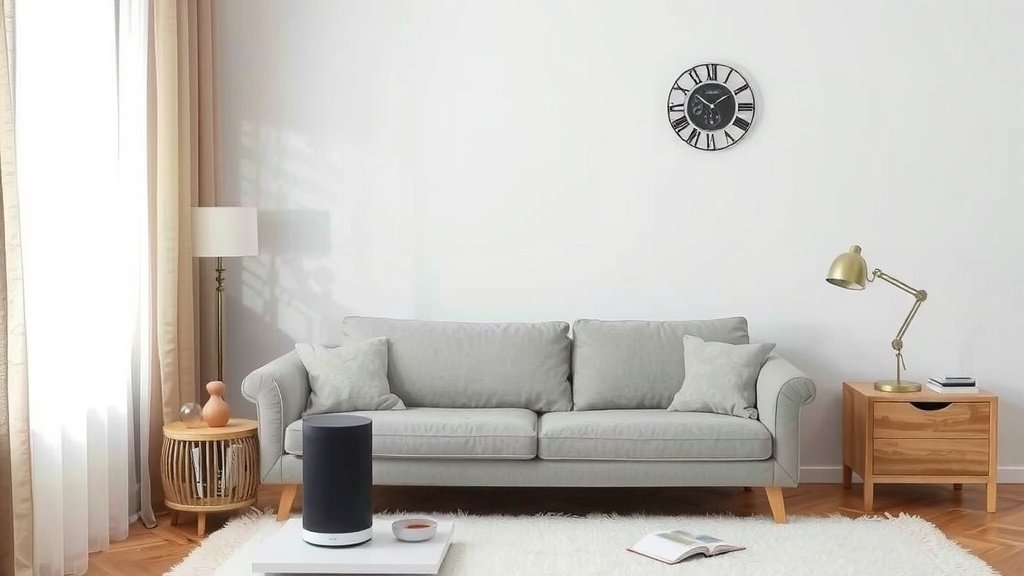
Where you place your air purifier can impact its performance. Keep it away from walls or large furniture that might block airflow. You want air to be able to freely enter and exit the unit. Placing it in a central location within the room is often best.
Think about where dust tends to accumulate. If you have a favorite reading chair where dust bunnies gather, placing the purifier nearby can help. It’s about targeting the areas where dust is most likely to be stirred up or settle.
Maintenance is Key for Ongoing Performance
This is a big one! Filters need to be cleaned or replaced regularly. If you let a filter get clogged with dust, it can’t do its job. A dirty filter will reduce airflow and make the purifier less effective. It might even start to recirculate dust!
We found that checking your user manual is the best way to know the recommended replacement schedule. For many HEPA filters, this is typically every 6 to 12 months. Pre-filters might need cleaning more often, perhaps monthly.
When Air Purifiers Shine for Dust Reduction
Air purifiers are especially helpful in certain situations. If you’re looking for a way to reduce the dust that lands on surfaces, they contribute to that goal. They are also beneficial for people who suffer from allergies.
Reducing Airborne Dust Particles
The primary job of an air purifier is to clean the air. This means it will capture many of the dust particles floating around. While it won’t eliminate the need for dusting, it can reduce how often you need to do it. Some research suggests air purifiers can significantly lower the amount of fine dust in indoor air.
Helping with Dust-Related Allergies
Dust itself isn’t the allergen; it’s what dust contains. Dust mites, pet dander, and mold spores often hitch a ride on dust particles. By filtering these out, an air purifier can help reduce allergy symptoms. Many allergy sufferers report feeling better when using an air purifier. The American College of Allergy, Asthma, and Immunology notes that air cleaners can help remove allergens from the air.
Complementing Your Cleaning Routine
An air purifier is not a magic bullet that replaces all cleaning. It works best as part of a broader strategy. Regular vacuuming, dusting with a damp cloth, and washing bedding are still essential tasks. The purifier helps tackle the airborne particles that evade your regular cleaning efforts.
What to Look For in a Dust-Fighting Air Purifier
To get the most out of an air purifier for dust, choose wisely. Here’s a quick checklist of what we found to be important:
- True HEPA Filter: This is non-negotiable for effective dust capture.
- Appropriate Room Size Coverage: Make sure it matches your space.
- High CADR for Dust: For faster, more thorough cleaning.
- Activated Carbon Filter: If odors are also a concern.
- Replaceable Filters: Ensure you can easily find and replace them.
- Quiet Operation: Especially if you plan to use it in a bedroom.
Conclusion
You’ve learned that air purifiers can be a powerful ally against household dust. By using a true HEPA filter, these devices effectively capture a high percentage of airborne particles. Remember that room size, proper placement, and consistent filter maintenance are key to maximizing their dust-fighting capabilities. Think of your air purifier as a partner in your cleaning routine, working alongside your dusting and vacuuming efforts. Ready to breathe easier? Your next step is to choose an air purifier that fits your space and needs.
Frequently Asked Questions
Will an air purifier completely eliminate dust?
No, an air purifier won’t completely eliminate dust. It significantly reduces airborne dust particles, but it can’t capture dust that has already settled on surfaces. You’ll still need to dust and vacuum regularly to keep your home truly dust-free.
How often should I replace the HEPA filter?
Generally, you should plan to replace your true HEPA filter every 6 to 12 months. This timeframe can vary depending on the model and how much you use the air purifier. Always check your user manual for the manufacturer’s specific recommendation.
Can an air purifier help with dust allergies?
Yes, air purifiers can be very helpful for dust allergies. Dust often carries allergens like dust mites, pet dander, and pollen. By filtering these particles from the air, an air purifier can reduce your exposure to allergens and help alleviate allergy symptoms.
What is CADR, and why is it important for dust?
CADR stands for Clean Air Delivery Rate. For dust, a higher CADR rating means the air purifier can clean dust from your air more quickly and efficiently. It’s a great indicator of how well a unit will perform in a specific room size.
Is it okay to leave an air purifier on all the time?
For continuous dust reduction and improved air quality, it’s generally recommended to leave your air purifier on most of the time. Many units are designed for 24/7 operation and use minimal energy on lower settings.
![How Often Should I Use My Air Purifier [Expert Tips]](https://homeunderstandable.com/wp-content/uploads/2025/05/how-often-should-i-use-my-air-purifier-expert-tips-768x576.jpg)