
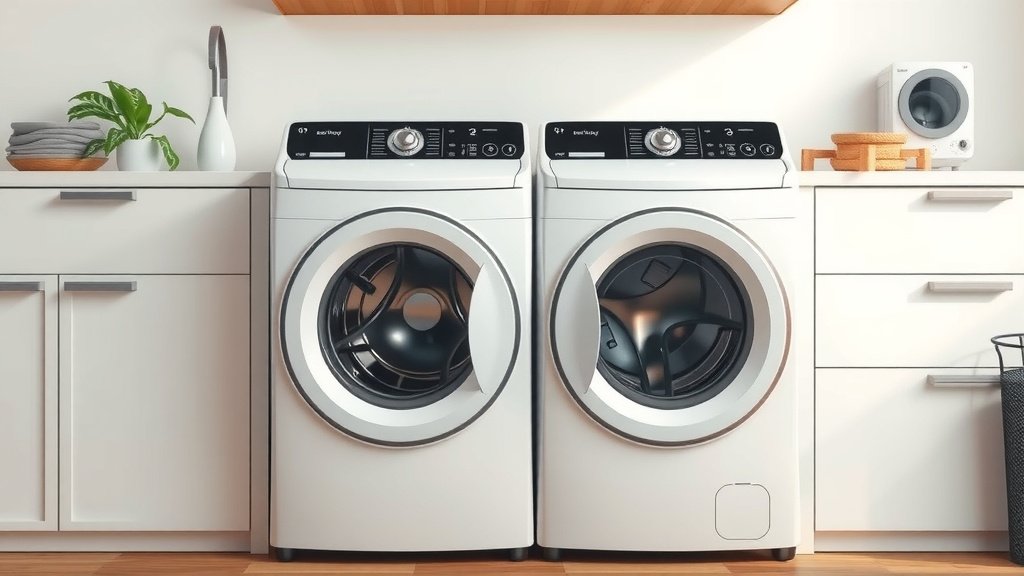
How Full Can a Top Load Washer Be Explained
You can fill your top-load washer pretty full, but not to the brim. Leaving about 1-2 inches of space at the top ensures your clothes can move freely. This allows detergent to circulate and water to reach everything. Overloading can lead to poor cleaning and potential machine damage, so it’s important to get it right.
Understanding how much to load is key to achieving cleaner laundry. Different washer sizes and models have varying capacities. We found that consistently overloading can also strain your machine’s motor and suspension system. Your clothes need room to agitate and rinse effectively for the best results. Don’t stuff it too tight!
- Fill your top-load washer about 2 inches from the top.
- Clothes need space to move and get clean.
- Overfilling can lead to poor washing and harm your machine.
- Check your washer’s manual for specific load recommendations.
Let’s walk through exactly what this means for your laundry day and how to avoid common pitfalls.
How Full Should You Load Your Top-Load Washer?
You’ve got a pile of laundry and a top-load washer ready to go. The big question is: how much can you fit in there? It’s a common question, and the answer isn’t about stuffing it until it overflows. You want your clothes to get truly clean, and that requires some breathing room.
We found that most top-load washers work best when you fill them about two-thirds to three-quarters full. This means leaving a good 1-2 inches of space between the top of the clothes and the top of the drum. Think of it like a hug for your clothes, not a tight squeeze! This space is essential for the water and detergent to circulate properly.
The Science Behind the Space: Why Clothes Need Room
Why all this talk about space? It boils down to how your top-load washer cleans. Unlike front-loaders that tumble clothes, most top-loaders use an agitator or an impeller to move clothes around in the water. This movement is what gets them clean.
Agitator Washers: The Classic Spin
If your washer has a tall, central post (the agitator), it twists and turns your clothes. This action needs plenty of water and room to work. When you overstuff the machine, the agitator can’t move the clothes effectively. They just get bunched up and may not get properly cleaned.
Impeller Washers: The Gentle Swirl
Some newer top-loaders use a low-profile cone or disc at the bottom (the impeller). This spins and creates currents that move clothes. Even with this gentler action, your clothes still need space to swirl and get exposed to the wash water. Overloading can prevent these currents from reaching all the fabric.
The Role of Water and Detergent
Proper loading ensures that water can saturate all your clothes. It also helps the detergent get distributed evenly. If your clothes are packed too tightly, pockets of dry fabric can form. This leads to poor stain removal and detergent residue. Many washing machine manufacturers recommend a specific water level setting to match your load size. This helps ensure adequate water coverage (Maytag).
Signs You Might Be Overloading Your Washer
Sometimes, you can tell you’ve packed too much into your washer. Your machine will often give you clues that it’s struggling. Pay attention to these signs.
Poor Cleaning Performance
The most obvious sign is that your clothes just aren’t coming out clean. You might notice lingering odors or visible stains that didn’t get washed out. This indicates that the detergent and water couldn’t reach all areas of the fabric.
Lingering Detergent Residue
If you see white streaks or a stiff feel to your clothes after washing, it’s a sign of detergent residue. This happens when there isn’t enough water to rinse all the soap away. Overloading is a common culprit for this issue.
The Machine Seems to Struggle
Does your washer make unusual noises? Does it vibrate excessively or seem to move across the floor during the spin cycle? These can be signs that the load is unbalanced or too heavy for the machine to handle efficiently.
Clothes Are Still Soaking Wet After the Spin Cycle
A properly functioning spin cycle removes a lot of water from your clothes. If your clothes come out still dripping wet, the washer may not be spinning effectively. An overloaded or unbalanced load can prevent the drum from reaching its full spin speed.
How to Load Your Top-Load Washer Correctly: A Quick Checklist
Getting the load right is simple once you know what to look for. Here’s a quick guide to help you out:
- Don’t aim for the brim: Leave 1-2 inches of free space at the top.
- Distribute items evenly: Spread clothes around the drum, not just in one spot.
- Mix load sizes: Avoid washing only very large or very small items together.
- Check pockets: Remove anything that could cause damage or clog the machine.
- Don’t let it sit too long: Wash loads promptly after accumulating them.
What About Different Washer Sizes and Capacities?
Top-load washers come in various sizes, from compact models to extra-large capacity machines. A compact washer will hold less than a giant one, but the principle of not overloading remains the same. Always check your owner’s manual for specific capacity recommendations for your model. It’s the best resource for your particular machine.
Many manufacturers provide guidelines on load sizes. They might use terms like “small,” “medium,” or “large” loads. These are generally based on volume, not just weight. A good rule of thumb is that the clothes should be loose and able to move freely within the drum.
The Consequences of Consistently Overloading
While the occasional overloaded wash might not break your machine, doing it regularly can lead to problems. It’s like driving your car with too much weight in the trunk all the time.
Wear and Tear on the Motor
When your washer is overloaded, the motor has to work harder to move the drum and clothes. Over time, this extra strain can lead to premature motor wear and potential failure. Many appliance repair experts note this as a common issue (Appliance Repair Insights).
Damage to the Suspension System
Washing machines have suspension systems to absorb vibrations. A heavy, overloaded drum can put excessive stress on these components. This can cause them to weaken or break, leading to noisy operation and potential damage.
Reduced Washing Efficiency
We already touched on this, but it’s worth repeating. An overloaded washer simply won’t clean as well. You’ll end up re-washing clothes, which uses more energy, more water, and more of your time. It’s a lose-lose situation.
The Ideal Load: A Visual Guide
Imagine you’re filling a bucket with marbles. If you fill it to the very top, you can’t really shake it to settle them or add anything else easily. Your laundry works the same way. You want enough room for them to tumble and interact with the water and detergent.
A good load of laundry should look fluffy and loose in the drum. You should be able to see the top of the agitator or impeller easily, with clothes just starting to rise above it. If the clothes are piled high and you can’t see the center mechanism well, you’ve likely put too much in.
| Load Size | Visual Description | Space at Top |
|---|---|---|
| Ideal Load | Clothes are loose and fill 2/3 to 3/4 of the drum. Easily visible agitator/impeller. | 1-2 inches of free space. |
| Slightly Overloaded | Clothes are packed tightly, pressing against the sides. Agitator/impeller is mostly obscured. | Less than 1 inch of free space. |
| Severely Overloaded | Drum is completely full, clothes are compressed and overflowing. | No free space; clothes are pressed to the very top. |
This table can help you visualize what a good load looks like. Remember, it’s not just about the weight of the clothes, but also the bulk and how they occupy the space within the drum.
When in Doubt, Go Lighter
If you’re unsure whether your load is too big, it’s always safer to err on the side of caution. A slightly underfilled load will still get your clothes clean. An overloaded one risks poor cleaning and potential damage to your machine. So, if your gut tells you it’s too much, take a few items out. Your clothes and your washer will thank you!
Conclusion
Getting your top-load washer loaded correctly is more about giving your clothes room to dance than just filling the drum. We’ve seen that leaving that 1-2 inch space ensures proper water circulation, effective cleaning, and prevents unnecessary strain on your machine. Pay attention to the visual cues and the “hug, not a squeeze” rule. Your laundry will come out cleaner, and your washer will last longer. Next time you’re ready to wash, remember to give your clothes the space they need for a truly refreshing clean!
Frequently Asked Questions
Can I wash a queen-size comforter in my top-load washer?
Generally, it’s best to avoid washing very large, bulky items like queen-size comforters in most standard top-load washers. These items can unbalance the load and prevent proper cleaning and rinsing. Check your washer’s manual; some extra-large capacity models might accommodate them, but always ensure there’s plenty of room for movement.
What’s the difference between an agitator and an impeller top-load washer regarding load size?
While both need space, agitator washers require more room for the central post to twist and move clothes effectively. Impeller washers use currents, so clothes still need space to swirl and be exposed to water. The core principle of not overloading remains the same for both types.
If my clothes don’t look dirty, can I pack the washer more tightly?
Even if clothes don’t appear visibly dirty, they still need space for proper rinsing of detergent and to remove unseen oils and residues. Packing too tightly can lead to detergent build-up, making clothes feel stiff or smell musty, even if they weren’t stained.
How do I know if my top-load washer is an HE (High-Efficiency) model, and does that change how full I can load it?
HE top-load washers typically use less water and often have an impeller instead of a traditional agitator. They are designed for efficient cleaning with smaller water volumes. For HE models, it’s even more crucial not to overfill, as they rely on precise water levels and garment movement to clean effectively.
My washer’s manual says “medium load” – how do I visually translate that to how full the drum should be?
A “medium load” usually means filling the drum about two-thirds to three-quarters full, leaving that essential 1-2 inches of space at the top. Think of it as loose items filling the space comfortably, not being crammed or compressed. You should be able to easily see the center agitator or impeller.
![7 Best Washing Machines For Apartments [In 2026]](https://homeunderstandable.com/wp-content/uploads/2026/08/7-best-washing-machines-for-apartments-in-2026-featured-768x432.jpg)
![7 Best Laundry Machines [In 2026]](https://homeunderstandable.com/wp-content/uploads/2026/09/7-best-laundry-machines-in-2026-featured-768x432.jpg)
![7 Best Condo Size Stackable Washer And Dryer [In 2026]](https://homeunderstandable.com/wp-content/uploads/2026/08/7-best-condo-size-stackable-washer-and-dryer-in-2026-featured-768x432.jpg)