Are Air Purifiers Worth It A 2026 Guide
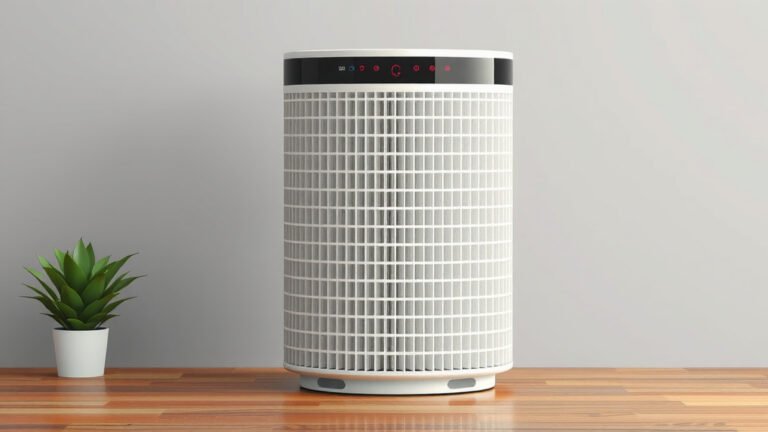
Yes, air purifiers can be quite effective at improving your indoor air quality. They work by filtering out pollutants like dust, pollen, pet dander, and even some odors and smoke. If you’re concerned about allergens or lingering smells in your home, an air purifier might be a great solution for you.
Many people wonder if air purifiers are just another gadget or if they offer real benefits. Research and testing have shown that with the right type and proper use, they can make a noticeable difference in the air you breathe. We found that choosing one with a HEPA filter is usually the best bet for capturing tiny particles.
- Air purifiers can significantly clean your indoor air.
- They’re great for allergies, pet owners, and smokers.
- Look for models with HEPA filters for best results.
- Proper placement and filter changes are key to performance.
So, how good are they really, and what should you know before buying one? Let’s break down what makes an air purifier work and whether it’s the right choice for your home’s air.
How Effective Are Air Purifiers, Really?
So, you’re curious about whether air purifiers live up to the hype. We’ve looked into it, and the research generally shows they can make a real difference in your home’s air quality. Think of them as a helpful assistant for your lungs, working to remove tiny irritants that float around unnoticed.
Their main job is to pull in indoor air, pass it through a filter, and then release cleaner air back into the room. This process can be quite beneficial for many households, especially if you deal with common indoor air pollutants.
What Can Air Purifiers Actually Remove?
Air purifiers are pretty good at capturing a range of airborne particles. Their effectiveness really depends on the type of filter they use. The most common and effective ones target:
- Dust mites and fine dust: These can be a big trigger for allergies and asthma.
- Pollen: Especially during allergy season, this can make its way inside and cause sniffles.
- Pet dander: Those tiny skin flakes from your furry friends are a common allergen.
- Mold spores: If you have damp areas, mold can grow and release spores into the air.
- Smoke particles: Whether it’s from cooking or tobacco, smoke can be removed.
- Volatile Organic Compounds (VOCs): These come from paints, cleaning supplies, and furniture. Some purifiers can tackle these odors.
The Magic of HEPA Filters
When we talk about air purifiers, the HEPA filter is the gold standard. HEPA stands for High-Efficiency Particulate Air. To earn the HEPA label, a filter must remove at least 99.97% of particles that are 0.3 microns in size. That’s incredibly small! For context, a human hair is about 50-100 microns wide.
We found that this level of filtration is excellent for capturing those tiny allergens like pollen, dander, and dust mites that can really bother your respiratory system (Cleveland Clinic).
Beyond HEPA: Other Filter Types
While HEPA is king for particles, some purifiers use other filters too. Activated carbon filters are great for absorbing odors and gases, like those from cooking or pet smells. Some units combine HEPA and carbon filters, offering a two-pronged approach to cleaning your air. Just remember, carbon filters don’t capture particles as well as HEPA ones do.
Are Air Purifiers Worth It for Allergies and Asthma?
For individuals struggling with allergies or asthma, air purifiers can be a game-changer. By removing allergens like pollen, dust, and dander from the air, they can help reduce symptom severity. Many experts suggest they can lead to fewer nighttime awakenings due to symptoms and a general improvement in overall comfort (Mayo Clinic).
If your symptoms seem worse indoors, an air purifier might offer some much-needed relief. It’s not a cure, of course, but it can certainly help create a less irritating environment.
When to Consider an Air Purifier
You might want to think about an air purifier if you experience any of these:
- Frequent allergy symptoms like sneezing, itchy eyes, or a runny nose.
- Asthma flare-ups that seem triggered by indoor air.
- You own pets and notice pet dander is an issue.
- Lingering odors from cooking, smoke, or pets.
- Concerns about air quality due to local pollution or wildfires.
How to Get the Most Out of Your Air Purifier
Simply buying an air purifier isn’t the whole story. To truly benefit, you need to use it correctly. We found that proper setup and ongoing maintenance are key to its performance.
Placement Matters
Where you put your air purifier can impact how well it works. For best results, place it in the room where you spend the most time, like your bedroom or living room. Ensure there’s good airflow around the unit, meaning don’t shove it behind furniture or too close to walls. This allows it to draw in air effectively.
Room Size and CADR Ratings
Air purifiers are rated for specific room sizes. Using a unit that’s too small for your space means it won’t be able to clean the air efficiently. Look for the Clean Air Delivery Rate (CADR) rating. This tells you how quickly the purifier can clean a room of smoke, dust, and pollen. A higher CADR means faster cleaning. Many manufacturers provide guidelines based on square footage.
Filter Replacement is Non-Negotiable
This is perhaps the most critical step. Air purifiers are only as good as their filters. Once a filter is full of captured pollutants, it can no longer clean the air effectively. In fact, a clogged filter might even start to release trapped particles back into the room. Always follow the manufacturer’s recommendations for changing or cleaning filters. Typically, HEPA filters need replacing every 6-12 months, while carbon filters might need more frequent attention.
Keep It Clean!
Beyond filter changes, occasionally wipe down the exterior of your air purifier to keep dust from accumulating on the unit itself. Some models have pre-filters that can be cleaned with a vacuum or by rinsing. A little regular upkeep can go a long way.
Are There Any Downsides?
While beneficial, air purifiers aren’t a magic bullet and do have a few considerations. One common concern is noise. Many units have multiple fan speeds, and higher settings can be quite audible. You’ll want to find a balance between effective cleaning and an acceptable noise level, especially for bedrooms.
Another point to consider is the ongoing cost of replacement filters. These can add up over time, so factor that into your budget. Some purifiers also use electricity, though most are designed to be energy-efficient.
Finally, it’s important to manage expectations. Air purifiers are designed to filter the air. They won’t solve issues like poor ventilation or very high humidity, which can also impact indoor air quality. They work best as part of a broader strategy for maintaining a healthy home environment.
Quick Checklist for Air Purifier Success
Want to make sure you’re on the right track? Keep these points in mind:
- Choose the right size for your room.
- Look for a HEPA filter for particle removal.
- Consider an activated carbon filter for odors.
- Place it strategically for good airflow.
- Replace filters on schedule – don’t skip this!
- Clean the unit periodically.
Conclusion
So, can air purifiers genuinely improve your home’s air? Based on our research, the answer is a clear yes, when used correctly. They are effective tools for reducing common indoor pollutants like dust, pollen, and pet dander. Remember that a HEPA filter is your best bet for capturing the smallest particles. Don’t forget that proper placement and regular filter changes are absolutely key to getting the best results from your unit.
If you’re looking for relief from allergies, asthma symptoms, or just want fresher-smelling air, an air purifier is a worthy investment. To get started, identify the main air quality concerns in your home and choose a unit sized appropriately for your space.
Frequently Asked Questions
How often should I run my air purifier?
For maximum benefit, it’s often recommended to run your air purifier continuously, especially in rooms you use frequently. This ensures the air is consistently being filtered. Some units have auto modes that adjust based on air quality, which can be a good energy-saving option.
Do air purifiers really help with smoke from wildfires?
Yes, air purifiers with HEPA filters are quite effective at capturing smoke particles, including those from wildfires. Activated carbon filters can also help absorb the associated odors. During wildfire events, running your purifier can significantly improve indoor air quality when outdoor air is compromised.
Can air purifiers eliminate all odors?
Air purifiers with activated carbon filters are good at absorbing many common odors from cooking, pets, or smoke. However, they may not eliminate every single smell, especially strong or persistent ones. They work best in conjunction with good ventilation and cleaning practices.
Are air purifiers noisy?
Noise levels vary by model and fan speed. Most air purifiers have multiple settings, with lower speeds being very quiet, akin to a gentle fan. Higher settings that provide more powerful filtration will naturally be more audible. It’s wise to check reviews for noise levels if you plan to use it in a bedroom.
Do I need a new air purifier if I clean my home regularly?
Even with regular cleaning, allergens, dust, and other pollutants can become airborne. Air purifiers work by actively filtering these particles from the air, something vacuuming and dusting can’t fully achieve. They complement your cleaning routine by targeting microscopic irritants you might miss.