Air Purifier Filter Lifespan: How Long Do They Last
Air purifier filters typically last between 6 to 12 months, but this can vary quite a bit. Factors like filter type, your home’s air quality, and how often you run your purifier all play a role in determining their lifespan. Knowing when to replace yours is key to keeping your air clean.
When your air purifier filter is nearing the end of its life, you might notice a decrease in air quality or a strange odor. Think of it like a sponge; it can only soak up so much! Many manufacturers offer replacement reminders to help you stay on track. Ignoring a clogged filter means your purifier works harder and less effectively.
- Filters usually last 6-12 months.
- Air quality and usage affect lifespan.
- Look for signs like reduced airflow.
- Consider filter type for best results.
- Check manufacturer recommendations.
Let’s dive into the details and figure out exactly how long your air purifier filter should last and what to watch out for.
So, you’re wondering how long your air purifier’s filter is going to stick around, right? It’s a super common question because, let’s face it, you want your air purifier to keep doing its job without breaking the bank. The general idea is that most filters give you about six months to a year of good service.
Understanding Your Air Purifier Filter Lifespan
Generally, air purifier filters are designed to last between 6 to 12 months.
This timeframe isn’t set in stone, though. Several things can nudge that lifespan up or down. Think of it like the tires on your car; how long they last depends on how much you drive and the roads you travel. Your air purifier filter is similar. Its life depends on your environment and how you use it.
Factors Affecting Filter Longevity
Several factors play a big role in how long your air purifier filter will last. Understanding these can help you get the most out of your investment.
Filter Type Matters
The type of filter inside your air purifier is a primary driver of its lifespan. The most common types are HEPA filters and activated carbon filters. Sometimes, these are combined.
- HEPA Filters: True HEPA filters are designed to capture 99.97% of airborne particles down to 0.3 microns. They are workhorses, trapping dust, pollen, pet dander, and mold spores. Most HEPA filters are mechanical, meaning they physically trap particles. They tend to have a longer lifespan than other filter types that rely on absorption.
- Activated Carbon Filters: These filters use a material that has been treated to be extremely porous. This porosity allows them to adsorb (think of it like sticking to the surface) gases, odors, and volatile organic compounds (VOCs). Because they work by absorbing molecules, their capacity can fill up over time. This means they may need replacing sooner than HEPA filters, especially if you have strong odors in your home.
- Pre-filters: Many air purifiers have a washable pre-filter that catches larger particles like hair and lint. This is great because it protects the main HEPA and carbon filters. A good pre-filter can extend the life of your more expensive filters by reducing the load on them. We found that regularly cleaning your pre-filter is a simple step that can significantly improve overall filter life.
Your Home’s Air Quality
This is a big one! If your air is constantly filled with pollutants, your filter will get clogged much faster. Consider these common culprits:
- Pets: If you have furry friends shedding dander and hair, your filter will work overtime to capture it.
- Allergies and Asthma: Homes with individuals who have allergies or asthma often have purifiers running more frequently and at higher speeds to combat allergens.
- Smoking: If anyone in your household smokes indoors, the carbon filter will be working hard to remove smoke odors and particles. This can dramatically shorten its effective lifespan.
- Cooking: Frequent cooking, especially frying or baking, can release odors and particles into the air.
- Pollution Levels: If you live in an area with high outdoor air pollution, this can impact your indoor air quality and how quickly your filter gets saturated.
- Dust and Debris: General household dust, construction nearby, or even dusty hobbies can contribute to a higher particle count.
We found that homes with particularly poor air quality might see filter lifespans drop to the lower end of the spectrum, sometimes even less than six months for the carbon component.
How Often You Run Your Purifier
It’s pretty straightforward: the more you run your air purifier, the faster the filter will reach its capacity. If you run it 24/7 on a high setting, expect it to need replacement sooner than if you only run it for a few hours a day on a low setting.
Many experts suggest running your air purifier as much as possible, especially in rooms where you spend the most time. This means you might be replacing filters more often. However, the benefit is cleaner air consistently.
When Should You Replace Your Air Purifier Filter?
There are several signs that indicate it’s time to swap out your filter. Don’t just rely on a calendar alone!
Reduced Airflow
Has the air coming out of your purifier seemed weaker lately? That’s a classic sign. A clogged filter restricts airflow. It’s like trying to breathe through a stuffed-up nose; it’s just harder.
You might notice less air circulating in the room. This means your purifier isn’t effectively cleaning the air anymore because it can’t pull enough of it through the dirty filter.
Lingering Odors
If you start noticing smells that were previously handled by your purifier – like cooking odors, pet smells, or general mustiness – your activated carbon filter is likely exhausted. It can only hold so many odor-causing molecules.
Think of the carbon filter like a sponge for smells. Once it’s full, it can’t soak up any more, and the odors start to return. Many users report that the first sign they notice is a return of pet odors.
Increased Noise Levels
When a filter is dirty, the motor in your air purifier has to work harder to push air through it. This extra strain can sometimes lead to increased noise. Your once quiet helper might start sounding like it’s struggling.
Visible Dirt and Discoloration
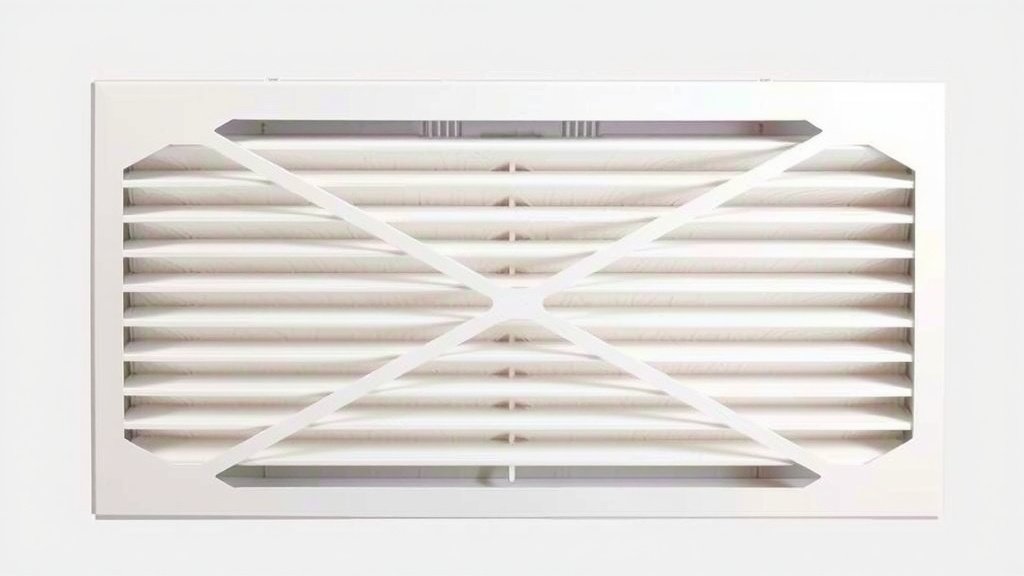
While you can’t always see the particles trapped inside, sometimes the filter will appear visibly dirty or discolored. This is especially true for pre-filters. A dark, grimy HEPA filter is a clear indicator it’s done its job.
Manufacturer Reminders
Most modern air purifiers come with indicator lights or app notifications that tell you when it’s time to change the filter. These are often based on runtime hours or a calculated estimation.
While these are helpful, they are still estimations. Always combine these reminders with checking the actual performance of your unit. We found that these electronic reminders are very convenient, but it’s still good practice to inspect your filter visually.
Checking Your Filter’s Condition
Here’s a quick checklist to help you assess your filter:
- Is the airflow noticeably weaker?
- Are common household odors returning?
- Does the filter look dirty or discolored when you inspect it?
- Has it been about 6-12 months since your last replacement?
- Is your air purifier making more noise than usual?
If you answered yes to one or more of these, it’s probably time for a new filter. Remember, the manufacturer’s guidelines are a great starting point, but your specific environment is the ultimate test.
| Filter Type | Estimated Lifespan | Primary Function |
|---|---|---|
| HEPA Filter | 6-12 Months | Captures tiny particles (dust, pollen, dander) |
| Activated Carbon Filter | 3-12 Months (varies greatly) | Absorbs odors and VOCs |
| Pre-filter (washable) | Washable; Replace when worn | Catches large debris (hair, lint) |
It’s important to note that many units combine HEPA and carbon filters. In these cases, the carbon filter often becomes saturated sooner, meaning you might replace the entire combined filter unit around the 6-month mark, even if the HEPA portion still has life left. Always check your specific model’s recommendations.
Conclusion
You’ve learned that your air purifier filter likely lasts between six months to a year. However, this can change based on your filter type, your home’s unique air quality, and how much you use the purifier. Pay attention to signs like reduced airflow or returning odors, not just the calendar.
By understanding these factors, you can make sure your air purifier is always working its best for you. Your next step is simple: check your current filter’s condition and make a note to replace it if it’s showing signs of wear or has reached the 6-12 month mark. Clean air awaits!
Frequently Asked Questions
Can I extend the life of my air purifier filter?
Yes, you can! Regularly cleaning the pre-filter, which catches larger particles like hair and dust, can significantly prolong the life of your main HEPA and carbon filters. Also, try to minimize indoor pollution sources when possible.
What happens if I don’t replace my air purifier filter on time?
If you don’t replace your filter, your air purifier will become less effective. Its motor will have to work harder, potentially leading to increased noise and energy consumption. Plus, it won’t be cleaning your air as efficiently, allowing pollutants and odors to linger.
Do air purifier filters lose effectiveness even if they don’t look dirty?
Yes, they do. While visible dirt is a clear sign, the activated carbon filter can become saturated with odors and VOCs without looking dirty. The HEPA filter’s trapping ability can also diminish over time as its fibers become clogged. Always consider usage and time, not just appearance.
Can a smart air purifier accurately tell me when to change my filter?
Many smart air purifiers have built-in sensors or timers that estimate filter life based on runtime and air quality. These are helpful reminders. However, we found that it’s still a good idea to visually inspect your filter and consider your specific home environment for the most accurate assessment.
How often should I replace my air purifier filter if I have pets?
If you have pets, especially those that shed a lot, your filter will likely need replacing more frequently. You might find yourself needing to replace it closer to the 6-month mark, or even sooner, rather than the 12-month estimate. Watch for reduced airflow and returning pet odors.