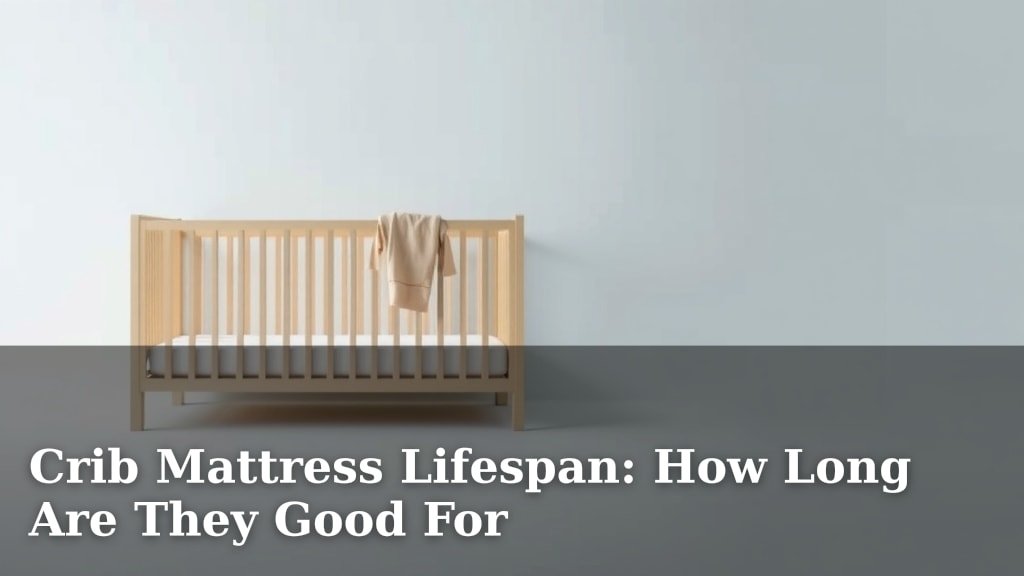
Crib Mattress Lifespan: How Long Are They Good For
Your crib mattress likely has a good lifespan, but it’s not forever. Most crib mattresses are considered good for about **2 to 5 years**, though some might last a bit longer. We found that the primary factors impacting how long a crib mattress remains safe and supportive are **wear and tear** and the baby’s growth.
When it comes to your baby’s sleep, a supportive mattress is key. You want to ensure it’s firm enough to prevent suffocation risks. Over time, mattresses can sag or become uneven. We looked into what parents and experts consider the best indicators for knowing when it’s time for a replacement, focusing on safety and comfort.
- Crib mattresses generally last 2-5 years.
- Firmness is crucial for infant safety.
- Look for sagging or unevenness.
- Consider a new mattress for each child.
- Check for tears or damage.
Let’s walk through exactly how to tell when your little one’s mattress might be past its prime.
“`htmlUnderstanding Your Crib Mattress Lifespan
Your baby’s crib mattress is more than just a place to sleep. It’s a critical component for their safety and development. You might be wondering just how long this important piece of baby gear is actually good for. We found that most crib mattresses are designed to last anywhere from 2 to 5 years. Several factors come into play, mainly related to how it holds up over time and your baby’s growth. Think of it like a well-loved teddy bear; it gets used a lot and can show signs of wear!
Signs Your Crib Mattress Might Need Replacing
So, how do you know if your baby’s mattress is still up to snuff? There are a few key indicators you’ll want to watch out for. Keeping an eye on these can help you ensure your little one always has a safe and supportive sleep surface.
Firmness Matters: The Safety Check
The firmness of a crib mattress is incredibly important. Experts and organizations like the American Academy of Pediatrics (AAP) stress that a firm surface is essential to reduce the risk of Sudden Infant Death Syndrome (SIDS). A mattress that’s too soft can pose a suffocation hazard. You should always feel a firm resistance when you press down on the mattress. If it feels squishy or your hand sinks in too easily, it’s likely lost its necessary firmness.
Checking for Sagging and Unevenness
Over time, even the best crib mattresses can start to sag. This often happens in the areas where your baby sleeps most. You’ll notice an uneven surface or a noticeable dip. Press your hand down on the mattress and then look at it from the side. Do you see any hollows or uneven bumps? A sagging mattress can create an unsafe sleeping environment. It can shift the baby into positions that might make breathing more difficult.
The Condition of the Cover and Seams
Inspect the mattress cover carefully. Are there any tears, rips, or holes? A damaged cover can expose the inner materials, which might not be safe for your baby. It can also lead to moisture seeping into the mattress, which can encourage mold or mildew growth. Look closely at the seams, too. Loose threads or separated seams can be an entry point for dirt and spills, compromising the mattress’s integrity.
Bounce Test: A Simple Indicator
Here’s a simple trick we found helpful: give the mattress a gentle push down and then quickly release. Does it spring back immediately? Or does it feel slow and sluggish, like a deflated balloon? A mattress that doesn’t bounce back quickly is a sign that its internal support system may be breaking down. This is a clear indicator that it’s time to start looking for a replacement.
When to Consider a New Mattress for Each Child
This is a big one for many parents. If you plan on having more children, should you reuse the same crib mattress? While it might seem like a way to save money, we found that many experts recommend getting a new mattress for each child. Think about it: the first child used it for several years. Even if it looks okay on the outside, the internal support and firmness might have degraded more than you can see. Plus, there’s always the concern about unseen allergens or bacteria, even with regular cleaning.
Hygiene and Allergens
Babies can be sensitive. Even with rigorous cleaning, a used mattress might harbor dust mites or other allergens. While the risk might be low for some, for parents of babies with allergies or asthma, a new mattress offers a fresh start. We found that minimizing potential allergens is always a good practice for infant health (CDC).
Ensuring Optimal Support for Every Baby
Each baby deserves the safest and most supportive sleep environment possible. A mattress that was perfectly firm for an older baby might be slightly less supportive for a newborn or a growing toddler. Investing in a new, firm mattress for each child is often the most reassuring choice for parents.
Factors Influencing Mattress Durability
Not all crib mattresses are created equal, and their lifespan can vary. Several factors contribute to how long yours will remain in good condition.
Mattress Construction and Materials
The materials used play a significant role. Innerspring mattresses, for example, have coils that can eventually wear out or become less supportive. Foam mattresses, especially those made with high-density foam, tend to be more durable. However, even the best foam can compress over time. We found that the quality of the materials and the overall construction method directly impacts how long a mattress will maintain its firmness and support.
Usage and Care Habits
How you use and care for the mattress also matters. Frequent changing of sheets is good for hygiene. However, if you’re constantly removing and replacing the mattress protector, especially if it’s a tight fit, it can put stress on the mattress seams. Spills and accidents are inevitable, but how well they are cleaned up can prevent long-term damage. Promptly cleaning up messes and ensuring the mattress dries completely is key to preventing mold and extending its life.
Weight and Size of the Child
As your baby grows, they naturally get heavier and more active. This increased weight and movement put more stress on the mattress. A heavier child will cause the mattress to compress more than a lighter baby. While this is a natural part of development, it’s a key reason why a mattress’s lifespan is often measured in years of use rather than just time.
A Quick Checklist: Time for a New Mattress?
Ask yourself these questions to gauge your current crib mattress:
- Does the mattress feel noticeably softer than when you first got it?
- Can you easily press your hand into it and leave an indentation?
- Are there any visible tears or damage to the cover or seams?
- Does the mattress feel uneven or have dips where your baby sleeps?
- When you push down and release, does it bounce back quickly?
- Are you planning to use this mattress for a second child?
If you answered yes to any of these, it might be time to start shopping for a new, firm crib mattress. Your baby’s sleep safety is well worth the investment!
“`Conclusion
You’ve learned that your crib mattress typically lasts between 2 to 5 years, but its true lifespan depends on wear and tear and your baby’s growth. Regularly checking for firmness, sagging, and damage to the cover is key to ensuring your little one’s safety. Remember, a firm, supportive sleep surface is non-negotiable for your baby’s well-being. When in doubt, or if you’re considering it for a second child, investing in a brand new mattress provides the best peace of mind. Your baby’s safe sleep environment is worth it!
Frequently Asked Questions
How often should I check my baby’s crib mattress for safety?
We recommend a quick visual and physical check of your baby’s crib mattress at least once a month. Pay close attention to the firmness and look for any new tears or signs of sagging. This regular inspection helps catch potential issues early.
Can a mattress that’s too soft really harm my baby?
Yes, a mattress that has lost its firmness can pose a suffocation risk. Experts agree that a firm surface is vital to reduce the chances of SIDS. If the mattress feels soft or your hand sinks in too easily, it’s time for a replacement.
What if I only see minor tears on the mattress cover?
Even minor tears can compromise the mattress. They can allow moisture, allergens, or even bugs to enter the mattress core. We found that it’s best to err on the side of caution and replace a mattress with any visible damage to the cover or seams.
Is it okay to use a crib mattress protector? Will that extend its life?
A waterproof mattress protector is a great idea for hygiene and can help protect against spills. However, while it shields the mattress from direct accidents, it doesn’t prevent the internal components from wearing out over time. Think of it as an added layer of protection, not a cure for aging.
Are foam crib mattresses more durable than innerspring ones?
Generally, high-density foam mattresses tend to be more durable and maintain their firmness longer than some innerspring models. However, all mattresses will eventually compress with use. The quality of the foam and construction plays a significant role in its longevity.
![What Is The Best Air Mattress for Fat Person [In 2026]](https://homeunderstandable.com/wp-content/uploads/2025/06/best-air-mattress-for-fat-person.jpg)
![7 Best Mattress For Zero Gravity [2026]](https://homeunderstandable.com/wp-content/uploads/2026/06/7-best-mattress-for-zero-gravity-2026-featured-768x432.jpg)