
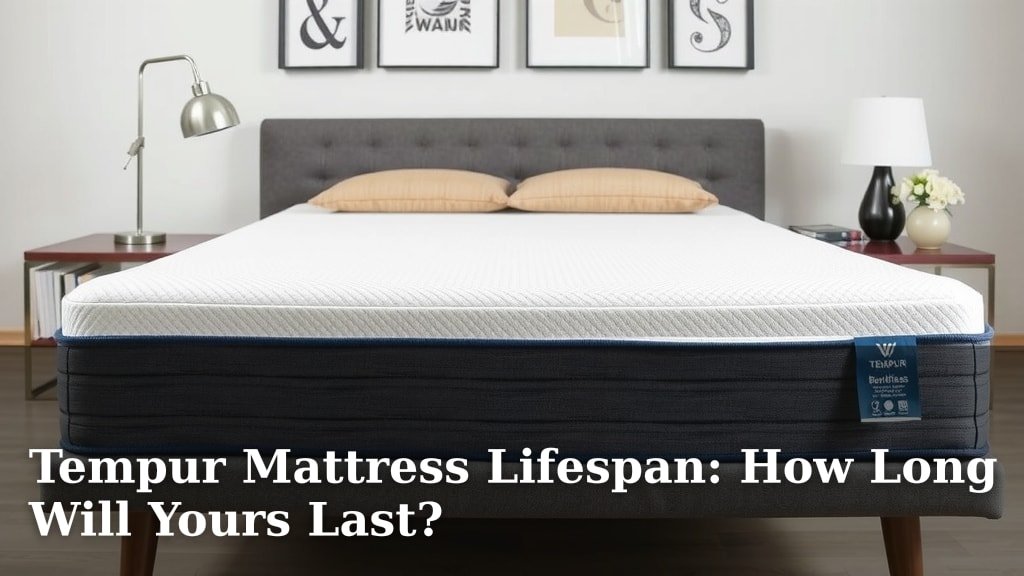
Tempur Mattress Lifespan: How Long Will Yours Last?
You’re likely wondering how long your Tempur mattress will stay comfortable. Most Tempur-Pedic mattresses are designed to last between 7 and 10 years, sometimes even longer. This lifespan depends on factors like model, usage, and care. We found that proper maintenance can significantly extend its life.
A Tempur mattress offers unique pressure relief and support. This is thanks to its proprietary memory foam. While durable, like all mattresses, it will eventually show signs of wear. Understanding what influences its longevity helps you make the most of your investment. Many owners report satisfaction for well over a decade.
- Tempur mattresses typically last 7-10 years.
- Lifespan varies by model and care.
- Proper maintenance can extend mattress life.
- Expect continued comfort and support for years.
- Investing in a mattress protector is wise.
Ready to dive deeper into what makes a Tempur mattress last? We’ll walk you through the key factors and offer tips to help yours stay supportive and comfortable for as long as possible.
“`htmlUnderstanding Your Tempur Mattress Lifespan
You’ve invested in a Tempur mattress, and you want to know how long it will keep providing that fantastic comfort. Most Tempur-Pedic mattresses are built to last. We found that you can typically expect 7 to 10 years of quality sleep from your mattress. Some owners even report getting 12 to 15 years out of theirs with proper care.
This longevity is a hallmark of Tempur material. It’s designed to resist sagging and wear. But like any sleep surface, its lifespan can be influenced by several factors. Understanding these helps you maximize your mattress’s comfort and support. Let’s break down what affects how long your Tempur mattress will serve you well.
Factors Influencing Mattress Longevity
Model and Type of Tempur Mattress
Tempur-Pedic offers a range of models. Some are designed for extra durability or specific support needs. For instance, heavier-duty models might naturally last longer. The thickness of the foam layers can also play a role. Thicker mattresses often have more material to sustain over time. We found that higher-end models sometimes use denser foams, which can improve resilience.
Your Sleeping Habits and Weight
How you use your mattress matters. If you sleep alone and are of average weight, your mattress will likely experience less stress. However, if two people share a bed, especially if one or both are heavier, the mattress will bear more weight. Frequent sitting on the edge of the bed can also cause wear. We found that consistent, heavy use can shorten the lifespan of any mattress.
Environmental Conditions
Where you place your mattress can impact its life. Extreme temperatures or high humidity aren’t ideal for foam. These conditions can degrade the material over time. Keeping your bedroom at a stable temperature is best for preserving the foam’s integrity. We found that extreme heat can cause foam to break down faster.
Regular Maintenance and Care
Just like your car needs oil changes, your mattress can benefit from care. Simple steps can keep it performing well for years. This includes rotating the mattress and using protective covers. We found that consistent maintenance is one of the most controllable factors for extending mattress life.
Signs Your Tempur Mattress Might Be Aging
Noticeable Sagging or Indentations
One of the clearest signs a mattress is nearing the end of its life is sagging. If you notice dips or indentations where you sleep, this indicates the foam is losing its support. This is especially true if the sag remains even when you’re not lying on it. We found that significant sagging impacts both comfort and spinal alignment.
Reduced Support and Comfort
Do you wake up feeling less rested? Are you experiencing more aches and pains? This could mean your mattress isn’t providing the support it once did. The specialized comfort layers of a Tempur mattress can compress over time. If the unique feel is gone, it’s a sign of wear.
Visible Wear and Tear
Inspect the mattress edges and fabric. Are there signs of fraying or tearing? While less common with Tempur-Pedic’s robust materials, extreme age or rough handling can lead to visible damage. Any tearing in the cover or seams could also lead to internal damage.
Changes in Firmness or Feel
Has your mattress become noticeably softer or harder than when you first bought it? The proprietary TEMPUR® material is known for its consistent feel. If that feel has changed, the foam may be degrading. This means it’s not conforming to your body like it used to.
Maximizing Your Tempur Mattress’s Lifespan
Don’t worry; there are easy ways to help your mattress last longer. You can extend its comfortable years with a few simple habits.
- Rotate Regularly: Every 3-6 months, rotate your mattress head-to-foot. This helps distribute wear evenly.
- Use a Mattress Protector: This is your first line of defense against spills, dust mites, and sweat. It keeps the mattress clean and prevents stains.
- Ensure Proper Support: Use a sturdy, appropriate foundation or bed frame. A good base prevents sagging and keeps the mattress performing optimally.
- Avoid Excessive Jumping or Sitting: While tempting, constant jumping or prolonged sitting on the edge can damage the foam structure.
- Maintain a Consistent Climate: Keep your bedroom at a moderate temperature and humidity level. Avoid placing the mattress in direct sunlight or extreme heat.
We found that these steps can add several years to your mattress’s useful life. Think of it as giving your mattress a little TLC.
| Mattress Type | Typical Lifespan (Years) | Key Factors for Longevity |
|---|---|---|
| Tempur-Pedic Memory Foam | 7-10+ | Material quality, proper care, rotation |
| Traditional Innerspring | 5-8 | Coil integrity, padding wear, body weight |
| Hybrid (Foam & Innerspring) | 6-9 | Foam layers, coil support, edge support |
As you can see, Tempur-Pedic mattresses generally offer a longer lifespan than many traditional types. This is largely due to the high-quality, adaptive materials used.
When It Might Be Time for a New Mattress
Even with the best care, no mattress lasts forever. If your Tempur mattress is showing multiple signs of aging – significant sagging, persistent aches, and a complete loss of its signature feel – it might be time to consider a replacement. We found that prioritizing your sleep quality is key. If your mattress is hindering that, a new one is likely a good investment.
“` “`htmlConclusion
You’ve invested in a quality sleep experience with your Tempur mattress. Remember, most owners enjoy 7 to 10 years, and often more, of excellent comfort. This longevity hinges on factors like your specific model and how you care for it. By regularly rotating your mattress, using a protector, and ensuring proper bed support, you actively extend its supportive life. Don’t wait for sagging to signal it’s time for a change. Start implementing these simple care tips today to maximize your mattress’s lifespan and continue enjoying restful nights for years to come.
Frequently Asked Questions
Can I make my Tempur mattress last longer than 10 years?
Yes, you absolutely can. With diligent care, like regular rotation and the use of a high-quality mattress protector, many owners find their Tempur mattress lasts well beyond the typical 10-year mark. Consistent maintenance is key to maximizing its lifespan.
What’s the best way to clean a Tempur mattress?
The best approach is prevention. Always use a waterproof mattress protector to guard against spills and moisture. For light cleaning, spot-clean stains with a mild soap and water mixture, and allow it to air dry completely before putting bedding back on. Never use harsh chemicals or soak the mattress.
Does rotating my Tempur mattress actually help?
Yes, rotating your Tempur mattress is highly recommended. Doing this every 3-6 months helps distribute body weight evenly across the surface. This prevents excessive wear and sagging in one particular area, contributing to a more consistent feel and extended lifespan.
Is a Tempur mattress worth the investment for its lifespan?
Based on owner reports and material durability, Tempur mattresses generally offer a longer lifespan compared to many traditional mattresses. Given their extended comfort and support, many find them to be a worthwhile investment for long-term sleep quality.
What if my Tempur mattress starts sagging before 7 years?
If you notice significant sagging before the 7-year mark, first check your bed frame or foundation. An inadequate or worn-out base can cause premature mattress sagging. If the support is adequate, review your warranty as this could be a sign of a manufacturing defect.
“`


![7 Best Mattress For Snoring Reddit [2026]](https://homeunderstandable.com/wp-content/uploads/2026/06/7-best-mattress-for-snoring-reddit-2026-featured-768x432.jpg)
![What Is The Best Fabric for Mattress Protector [In 2026]](https://homeunderstandable.com/wp-content/uploads/2025/06/best-fabric-for-mattress-protector.jpg)
