
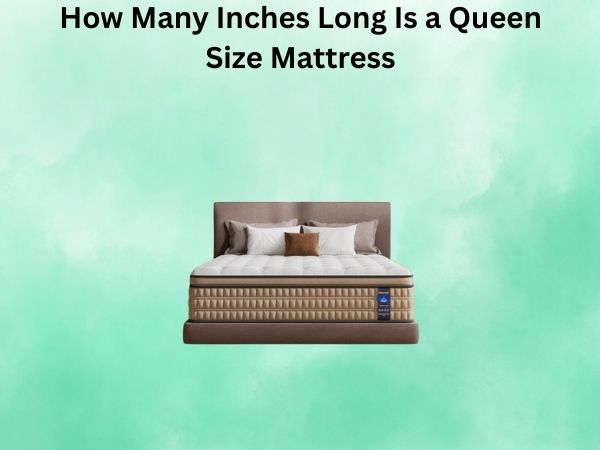
How Many Inches Long Is a Queen Size Mattress? Complete Dimension Guide
When you’re shopping for a new mattress, one of the first questions that pops into your head is probably about size. You might be standing in a furniture store or scrolling through online retailers, wondering exactly how big a queen size mattress really is. Let me tell you, getting these dimensions right is absolutely crucial if you want your bedroom to feel comfortable and well-proportioned.
So here’s the straightforward answer: a queen size mattress measures 60 inches wide and 80 inches long. But there’s much more to understand about queen mattresses than just those two numbers. Let me walk you through everything you need to know to make an informed decision.
The Standard Queen Mattress Length Explained
Let’s dive deeper into that 80-inch length I mentioned. When manufacturers talk about a queen size mattress being 80 inches long, they’re referring to the actual sleeping surface. This measurement runs from the head of the mattress to the foot, and it’s been standardized across the mattress industry for decades.
Think of it this way: 80 inches breaks down to 6 feet and 8 inches. That’s pretty tall, right? For most people, this length is perfect because it gives you plenty of room to stretch out without your feet hanging off the edge. Even if you’re particularly tall, you’ll likely have a few inches of clearance.
Why This Specific Length Matters
The 80-inch length isn’t arbitrary. It was designed with the average human body in mind. Most adults can comfortably sleep on a queen mattress without their feet touching the bottom edge. This creates a sense of security and comfort that’s essential for quality sleep.
I’ve talked to countless people who’ve made the mistake of not measuring their space properly, and they end up with a mattress that doesn’t fit their room the way they imagined. It’s one of those things that seems simple on the surface but has real consequences for your daily comfort.
Queen Mattress Width: The 60-Inch Standard
Now let’s talk about the width. A queen mattress is 60 inches across, which translates to exactly 5 feet. This width is what gives a queen its reputation as a comfortable mattress for two people, though it does require some thoughtful sleeping arrangements.
Imagine dividing that 60-inch width between two people. Each person gets roughly 30 inches of space, which is more generous than you might think at first glance. That’s about the width of a typical office chair, so you get a decent amount of personal space even when sharing the bed.
Width Considerations for Couples
For many couples, a queen is the sweet spot between space and practicality. It’s wider than a full mattress but smaller than a king, which means it’s more affordable and easier to fit into standard bedrooms. Some couples absolutely love sleeping on a queen, while others prefer upgrading to a king for more personal space.
If you’re considering a queen for two people, I’d recommend thinking about your sleep styles. Are you and your partner the type to cuddle all night, or do you prefer having some distance? This personal preference really does matter when choosing your mattress size.
Understanding Mattress Thickness and Depth
While length and width are the primary dimensions you’ll hear about, thickness is another important consideration that affects your overall sleeping experience. Most queen mattresses range between 8 and 14 inches thick, depending on the construction and quality level.
Different Thickness Categories
- Thin mattresses (8-10 inches): These are budget-friendly options that still provide decent support for lighter individuals
- Medium mattresses (10-12 inches): The most popular category, offering excellent balance between comfort and support
- Thick mattresses (12-14 inches): Premium options with more cushioning and advanced cooling technologies
The thickness affects how your mattress feels and how long it typically lasts. A thicker mattress generally provides more layers of comfort materials and better support over time. Think of it like comparing a thin t-shirt to a thick sweater—both work, but they offer different levels of insulation and durability.
How Queen Mattresses Compare to Other Sizes
Understanding how a queen stacks up against other mattress sizes really helps clarify whether it’s the right choice for you. Let me break down the comparison for you.
Full Size vs. Queen Size
A full mattress measures 54 inches wide by 75 inches long. Compared to a queen, it’s 6 inches narrower and 5 inches shorter. For a single sleeper, this difference is negligible, but for two people, that 6 inches of extra width on a queen makes a noticeable difference in comfort.
Queen vs. King Size
A king mattress measures 76 inches wide by 80 inches long. Here’s something interesting: a king is actually the same length as a queen! The difference is entirely in the width. A king gives you an additional 16 inches of width, essentially adding a full mattress width of space. It’s a significant upgrade for couples who want maximum personal space.
Twin and Twin XL Comparison
Twin mattresses are 38 inches wide by 75 inches long, while twin XL models are 38 inches wide by 80 inches long. As you can see, these are designed primarily for single sleepers, particularly in children’s rooms or small apartments. A queen is dramatically larger in both dimensions.
Determining if a Queen Will Fit Your Bedroom
Just because you like the dimensions of a queen doesn’t automatically mean it’ll work in your space. I’ve seen people get excited about a mattress only to realize their room layout doesn’t accommodate it properly. Let’s talk about how to assess your bedroom accurately.
Measuring Your Bedroom
Start by measuring your bedroom dimensions and noting the locations of windows, doors, and closets. You’ll want to consider not just whether the mattress fits, but whether you have adequate space for other furniture like nightstands, dressers, and space to walk around the bed comfortably.
A good rule of thumb is to leave at least 2-3 feet of walking space on each side of the bed and at the foot. This gives you room to navigate comfortably and prevents your bedroom from feeling cramped.
Bed Frame Considerations
Remember that your mattress will sit on a bed frame, which might add a few inches to the total footprint depending on the design. Platform beds, standard bed frames with box springs, and adjustable bases all take up slightly different amounts of space. Factor this into your measurements.
Room Size Requirements for a Queen Mattress
What’s the minimum bedroom size for a queen mattress? Generally speaking, a bedroom that’s at least 10 by 12 feet works well for a queen bed. This gives you enough space for the bed itself plus room for other essential furniture and movement.
If your bedroom is smaller than this, you might feel cramped, especially if you’re trying to fit other pieces of furniture in the room. Conversely, if your room is larger, a queen will feel comfortable without overwhelming the space.
Layout Tips for Small Rooms
- Position the bed against the longest wall to maximize usable floor space
- Use vertical storage solutions like wall-mounted shelves instead of bulky dressers
- Choose a bed frame that doesn’t have a large footboard if space is tight
- Consider a bed with built-in storage underneath for additional functionality
The Evolution of Mattress Sizing Standards
Interestingly, mattress sizes haven’t always been standardized the way they are today. The modern queen mattress dimension was established to address consumer needs for more space than a full mattress but at a more affordable price point than a king.
Before these standards were formalized, mattress shopping was quite confusing because manufacturers used different measurements. The standardization we have today makes it much easier for consumers to compare options and plan their bedrooms accurately.
Common Misconceptions About Queen Mattress Dimensions
Myth: All Queen Mattresses Are Exactly the Same Size
While the standard dimensions are consistent, there can be slight variations between manufacturers, typically within a quarter inch or so. This is usually not noticeable to the average person, but it’s worth being aware of if you’re replacing an old mattress with a new one.
Myth: The Length Measurement Includes the Headboard
Absolutely not. The 80-inch measurement refers only to the mattress itself. Your headboard, if you have one, will add to the overall depth of your bed setup. Many people get confused about this and think their bed will be too long for their wall.
Myth: Bigger Is Always Better
Some people assume that everyone should have a king mattress. But honestly, a queen is perfect for many households. It’s about matching your needs, room size, and budget. Bigger mattresses are heavier, more expensive, require larger sheets and bedding, and take up significantly more space.
Choosing the Right Mattress Size for Your Needs
So you know a queen is 60 by 80 inches—but does that mean it’s right for you? Let’s think through some scenarios.
Queen Is Perfect If You:
- Are a single sleeper who likes extra space
- Are a couple with moderate sleep preferences for personal space
- Have a bedroom that’s medium-sized
- Want a balance between comfort and affordability
- Plan to move frequently (queens are easier to move than kings)
You Might Want a Different Size If You:
- Are a couple who both toss and turn significantly
- Have very limited bedroom space and need a full or twin
- Have plenty of room and want maximum space (king)
- Share your bed with children or pets regularly
Practical Measurement Tips Before Purchasing
Don’t just assume a queen will work. Take time to actually measure your space and visualize how it’ll fit. I recommend bringing a tape measure to furniture stores and actually lying down on display models to get a feel for the size.
If you’re buying online, use the dimensions to create a scale drawing of your bedroom layout. It might sound tedious, but trust me, it’s worth the effort to avoid the frustration of receiving a mattress that doesn’t fit your space the way you wanted.
Another helpful trick is to use painter’s tape on your floor to outline where the mattress will sit. Walk around the taped outline and visualize your bedroom with the bed in that position. This makes it much easier to spot potential issues before you make your purchase.
What About Adjustable Bed Bases?
If you’re considering an adjustable bed base with your queen mattress, keep in mind that some bases require specific mattress compatibility. Queen mattresses will still be 60 by 80 inches, but you’ll want to verify that your chosen mattress works with your specific adjustable base model.
Conclusion
A queen size mattress measures exactly 60 inches wide and 80 inches long, making it a popular choice for bedrooms across the country. This size provides an excellent balance between personal comfort and practical bedroom layout. Whether you’re a single sleeper who enjoys extra space or a couple looking for adequate room without overwhelming your bedroom, understanding these dimensions helps you make an informed decision.
Remember that the 60-by-80-inch measurement is just the starting point. You’ll also need to consider mattress thickness, your room size, and how the bed will fit with your other furniture. Take time to measure your space carefully, visualize the layout, and even lie on display models if possible. By doing your homework upfront, you’ll ensure that your new queen mattress provides years of comfortable sleep in a bedroom that feels just right.
Frequently Asked Questions
Can a queen mattress fit through a standard doorway?
Yes, a queen mattress can typically fit through a standard doorway, though it may require some maneuvering. Standard doorways are 32-36 inches wide, and while a queen is 60 inches wide, mattresses are flexible and can be angled diagonally to pass through. Just be careful not to damage the mattress or doorframe in the process. If you’re concerned, the delivery service can usually handle this for you.
Is a queen mattress suitable for a master bedroom?
Absolutely. A queen mattress is an excellent choice for a master bedroom, especially if you and your partner appreciate having personal space while still being close. Many people find the queen size hits the sweet spot between comfort and practicality. However, if your master bedroom is spacious and your budget allows, some people prefer the extra room a king provides.
What’s the difference between a queen and a California queen mattress?
A California queen is 60 inches wide by 84 inches long, making it 4 inches longer than a standard queen. This extra length makes it ideal for particularly tall people. However, California queens are less common and can be harder to find sheets and bedding for, so standard queens remain far more popular.
Do queen mattress dimensions change based on the brand?
Standard queen mattress dimensions are consistent across reputable brands—60 inches by 80 inches. However, some mattresses might vary by a fraction of an inch due to manufacturing tolerances. Additionally, the mattress topper or cover might add minimal thickness, but the core dimensions remain standardized to ensure compatibility with standard bed frames and sheets.
How much weight can a queen mattress support?
Most queen mattresses are designed to support between 400-500 pounds combined weight for two people, though this varies by mattress type and quality. High-density foam and innerspring mattresses typically offer better weight distribution and support than budget models. If you need mattress support for heavier individuals, look for mattresses specifically designed for enhanced durability and support, or consider a larger size like a king.
“`
![What Is The best king size air mattress for camping [In 2026]](https://homeunderstandable.com/wp-content/uploads/2025/12/Best-king-size-air-mattress-for-camping.jpg)


![What Is The best mattress for couples who cuddle [In 2026]](https://homeunderstandable.com/wp-content/uploads/2025/12/Best-mattress-for-couples-who-cuddle.jpg)
![5 Best Air Mattress for Camping Reviews [In 2026]](https://homeunderstandable.com/wp-content/uploads/2025/06/best-air-mattress-for-camping-reviews.jpg)